




 Parenting Guide


 Child Health & Growth


 Learning & Skills Development


 Food & Nutrition


 Bournvita





Introduction
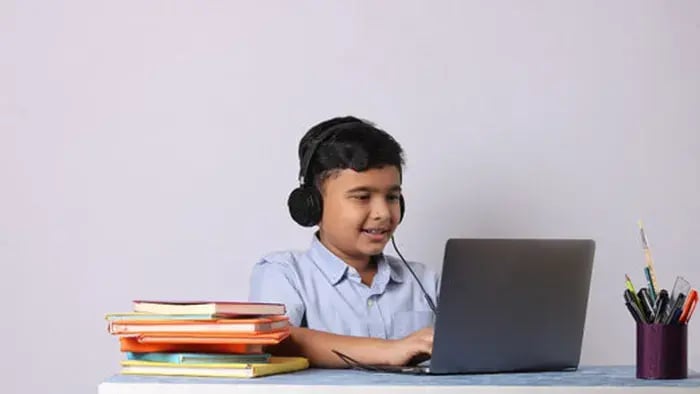
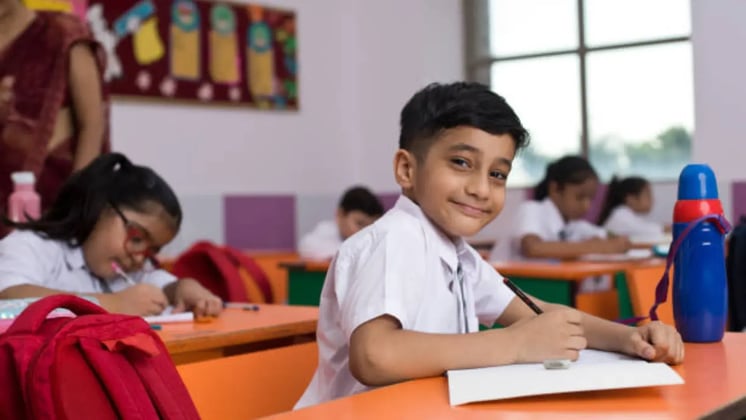
Every child eventually runs into something hard or genuinely frustrating. How they respond in that moment often shapes their long-term resilience. Learning to build perseverance in kids matters across nearly every area of life. Academics, friendships, sports, and creative pursuits all demand steady persistence eventually. Children who quit at the first sign of difficulty often stay stuck longer. Those who push through small struggles build confidence that carries into adulthood. This article explains why perseverance in kids deserves real, everyday parental attention. It then offers ten practical ways to build this skill through daily challenges. None of these methods requires special tools or formal, structured programs at all. The best teaching moments are small, ordinary, and repeated moments of real difficulty. Parents play a genuinely critical role in guiding this process patiently. With steady, consistent support, persistence gradually becomes part of a child's actual character.
What Is Perseverance?
Perseverance is the quality of continuing to try to achieve something despite difficulties or having no success. It means committing to a goal when you feel you’re making incremental progress. This is not just being pig-headed, which ignores good feedback. True perseverance is changing your strategy but keeping the overall effort the same. Children show this trait when they attempt again at a difficult task. It also tells if they keep working after a first failure. This skill is useful in academics, sports, friendships, and everyday challenges. Perseverance can be taught and reinforced deliberately, unlike talent. This is an acquired skill or quality that develops through time and with regular practice and support. Parents can guide children better, knowing this difference. In the end, perseverance is about effort and attitude, not innate talent.
Why Is Perseverance Important for Kids?
- Develops Resilience: Encountering obstacles and setbacks helps children build resilience, enabling them to bounce back from disappointments and setbacks stronger than before.
- Promotes Problem-Solving Skills: Persisting through challenges encourages children to think critically and creatively to find solutions, creating problem-solving abilities.
- Builds Confidence and Self-Esteem: Successfully overcoming difficulties boosts children's confidence and self-esteem, creating a positive self-image.
- Teaches Patience and Discipline: Perseverance teaches children the importance of patience and discipline in achieving long-term goals, creating a sense of diligence and determination.
- Prepares for Adulthood: Learning perseverance at a young age equips children with essential skills for navigating adulthood, where they will inevitably face various challenges and obstacles.
- Growth Mindset: Encouraging perseverance promotes a growth mindset, where children believe that abilities can be developed through dedication and hard work, rather than being fixed traits.
- Encourages Goal Setting: Perseverance encourages children to set meaningful goals and work steadily towards achieving them, creating purpose and direction in life.
How to Use Challenges to Teach Kids Perseverance

Sharing Experiences
Parents can share stories or past experiences of them or historical figures to demonstrate perseverance in the face of challenges. Discuss how these individuals overcame obstacles and achieved success through determination.
Structured Challenges
Create age-appropriate challenges or projects that require perseverance. This could include puzzles, science experiments, or creative tasks where children must persist to reach a solution or complete a goal.
Reflective Journals
Encourage children to keep a journal where they document challenges, setbacks, and successes. Prompt them to reflect on what they learned from each experience and how they can apply these lessons in the future.
Team Activities
Engage children in team-based activities or sports where they must work together to overcome obstacles. This creates collaboration and teaches them the value of persistence in achieving collective goals.
Role-Playing Scenarios
Create role-playing scenarios where children act out situations that require perseverance. Guide them through different outcomes and discuss strategies for staying motivated and focused despite setbacks.
Visual Progress Charts
Use visual aids such as progress charts or goal trackers to visually represent the journey towards overcoming challenges. Celebrate milestones and encourage them to continue pushing forward towards the goals.
Volunteer or Community Service
Engage children in volunteer or community service projects that require commitment and perseverance. This teaches them the importance of persistence in making a positive impact and overcoming obstacles in helping others.
Nature Exploration
Plan outdoor activities like hiking or camping where children may encounter physical challenges such as climbing a hill or navigating rough terrain. This provides opportunities to practice perseverance in a natural setting.
Encourage Healthy Risk-Taking
Support children in exploring new interests or hobbies where they may face uncertainty or initial failures. Encourage them to embrace challenges with a positive attitude and learn from setbacks along the way.
Family Discussions
Hold regular family discussions where everyone shares the challenges they have faced and how they persevered. This creates a supportive environment where children can learn from others' experiences and gain perspective on resilience.
Conclusion

Perseverance is a skill that children develop through consistent practice, encouragement, and everyday experiences. These simple strategies help them face challenges with greater confidence, patience, and determination. Start by introducing one or two techniques at a time, allowing children to build resilience gradually without feeling overwhelmed. Over time, these small, steady efforts create a strong foundation for lifelong learning, problem-solving, and emotional strength.
Frequently Asked Questions
At what age should parents start teaching perseverance to children?

Perseverance can even be built with easy habits as early as preschool age. As children grow older, methods can be more structured.
How can I help my child stay motivated when they want to give up?
It helps tremendously to recognize the effort and to break it down into smaller steps. Telling stories that others can relate to about setbacks and recovery also helps to keep people trying.
Smriti is a content writer who creates clear, practical, and informative content backed by science and relevant data. With a strong understanding of structured writing, she breaks down complex topics into simple, actionable insights. Her work is focused on helping readers prepare, learn, and grow with confidence and clarity.
The views expressed are that of the expert alone.
Popular Topics