




 Parenting Guide


 Child Health & Growth


 Learning & Skills Development


 Food & Nutrition


 Bournvita





Introduction
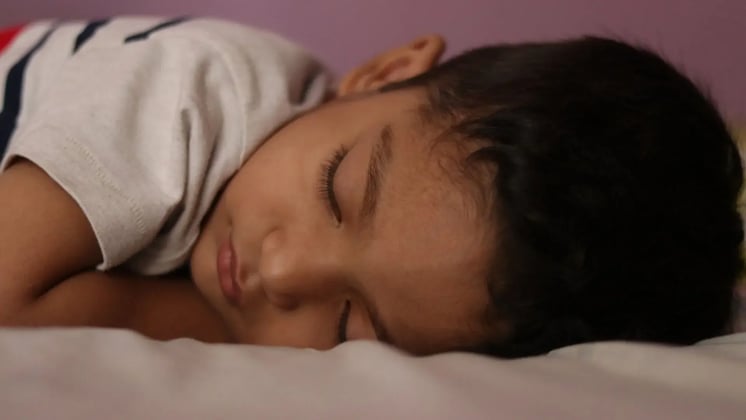
Mindfulness can be a powerful tool to help kids wind down and improve sleep quality. As a parent, understanding how to incorporate mindfulness techniques into a bedtime routine can create relaxation and prepare them for a restful night. Mindfulness involves being fully present in the moment and calmly acknowledging thoughts and sensations without judgment. By practicing mindfulness before bed, children can release the day's stresses and ease into a peaceful state of mind conducive to sleep.
Simple techniques like deep breathing exercises can help slow down racing thoughts and relax the body. Encouraging children to focus on breathing, and taking slow, deep breaths in and out can signal to the body that it is time to unwind. Mindful body scans, where they mentally check in with each part of the body for tension and consciously relax each area, can further promote relaxation.
Incorporating gentle movements or stretches can also release physical tension. Engaging in quiet activities like reading a calming story or listening to soothing music can further improve the bedtime routine. By establishing these mindfulness practices consistently, parents can create a comforting bedtime ritual that supports kids' ability to relax, let go of worries, and enjoy a restful night's sleep.
What Is Mindfulness and How Does It Improve Sleep in Kids?

Mindfulness is the art of paying attention to the present moment with gentle, non-judgmental awareness. It offers a way for kids to organize racing thoughts and reduce physical tension before sleep. A large body of pediatric research has established the relationship between mindfulness for kids and sleep quality. Children who practice mindfulness regularly fall asleep faster and report fewer sleep-related anxieties. When parents understand what mindfulness is and why it works, they can practice it with real confidence and consistency.
Why Good Sleep Is Important for Children
Quality sleep is not just sleep. It’s when children grow, learn, and regulate emotion. Adequate, uninterrupted sleep at night is essential for cognitive development, memory formation, and behavioral regulation. Children who sleep well are more engaged in school, have more stable moods, and are physically healthier. Childhood sleep deprivation is linked to heightened anxiety, weakened immunity, and long-term developmental effects. Prioritizing children’s sleep is one of the most powerful investments parents can make in their child's overall well-being. Adequate sleep in childhood is essential for physical health, emotional regulation, and cognitive development, says the American Academy of Pediatrics.
Sleep helps us build our brains by consolidating what we learn during the day into long-term memory overnight. Children who get the appropriate amount of sleep weekly show remarkable improvements in emotional regulation. Deep sleep boosts the immune system, reduces disease incidence, and promotes healthy physical development. Quality sleep has neurological benefits for children, such as lower anxiety and stress when they are well-rested. Child mindfulness practices that facilitate sleep also have spill-over benefits across multiple aspects of child development.
Best Mindfulness Techniques to Help Kids Sleep Better

1. Deep Breathing Exercises for Kids
Breathing exercises for kids are among the easiest and fastest-acting mindfulness tools they have. Slow, deliberate breathing activates the vagus nerve and stimulates the parasympathetic rest-and-digest response. Young children can easily learn simple patterns such as breathing in for four and out for six. For most children, regular deep breathing before bed has been shown to reduce anxiety and speed sleep onset. The technique is equipment-free and can be introduced as young as three years old.
2. Mindful Breathing Before Bed
Mindful breathing for kids is about noticing the physical feeling of each breath as it enters and leaves the body. This centered attention breaks the cycle of mental chatter and worry that can often interfere with children’s sleep. Mindful breathing is different than deep breathing. It doesn’t have a pattern to it—just noticing the natural breath is enough. Children who regularly practice this develop greater self-awareness and a reliable tool for managing bedtime anxiety. Even two to three minutes before lights out causes measurable decreases in sleep onset time. These are great focus-breathing exercises that also double as powerful sleep-preparation exercises for children.
3. Body Scan Meditation for Relaxation
Body-scan meditation guides children to gradually relax each part of the body, from the toes to the head. This technique releases physical tension that children often do not consciously feel before sleep. Slowly moving through each area of the body while softly speaking gives the child a calming focus. Children who regularly practice the body scan before bed develop this awareness, which helps smooth sleep transitions. This process can be used at any age and is especially good for children who hold stress in their bodies. These are some of the best relaxation exercises for kids to reduce physical tension and restlessness at bedtime.
4. Guided Meditation for Kids
Story and age-appropriate visualization formats are the most effective ways to deliver meditation for kids. Imaginative walks in nature, peaceful imaginary landscapes, or gentle narrative scenarios productively engage the child’s imagination. This positive engagement diverts mental energy away from stimulating thoughts and toward calm, restful images. Children who are read or played guided meditations at bedtime generally fall asleep faster and more easily. Parents can read these, play them back, or use mindfulness-specific apps tailored to children’s developmental needs.
5. Belly Breathing Technique
Belly breathing for kids is a diaphragmatic breathing technique that effectively engages the body’s deepest relaxation response. Children are encouraged to place a hand on their stomach and sense it rise and fall with each breath. The tactile feedback helps keep young children focused and more engaged in the exercise. Breathing slowly into the belly slows the heart rate, eases tension in the belly, and tells the nervous system to go toward sleep. Deep breathing exercises, such as belly breathing, are great for kids experiencing nighttime anxiety or restlessness.
6. Gratitude or Reflection Practice
A brief gratitude practice at the end of the day shifts the child's mental attention away from worry and toward positive experience. Children may be prompted to mention three simple things they liked or enjoyed that day. This practice helps to reduce the rumination and negative thought loops that often disrupt children’s sleep onset. Positive reflections before sleep lower cortisol levels and foster an emotionally settled state, both of which are beneficial for deeper sleep. Practicing gratitude also builds emotional resilience and optimism that extends well beyond bedtime benefits. These are good self-regulation activities for kids that boost emotional intelligence and immediate sleep improvement.
7. Gentle Stretching or Relaxation Exercises
A little stretch before bed helps release muscular tension accumulated throughout the day. Simple movements for kids with no yoga experience required: forward folds, seated twists, and gentle spinal stretches. Stretching is a physical release that goes hand in hand with breathing and meditation, as it addresses tension at the level of the body. Children who take a few moments to stretch before bed feel physically lighter and more comfortable as they settle down. Calming techniques for kids that combine body movement with breath provide a complete and effective pre-sleep wind-down that calms both physical and mental arousal.
Simple Bedtime Mindfulness Routine for Kids
A structured mindfulness bedtime routine reduces ambiguity and helps children settle more easily each night. There is a quiet transition from the day that begins with 10 minutes of quiet reading or storytelling. Then, five minutes of breathing exercises for sleep reduce physiological arousal and prepare the body for sleep. The nervous system wind-down is finished with a final five minutes of body scan or guided meditation before the lights go out. By doing this every night, it creates a very strong association with sleep, and kids start doing it on their own more and more.
Maintain a Consistent Bedtime Routine
Limit Screen Time Before Bed
Exposure to screens in the hour before bed suppresses melatonin and maintains neurological arousal past switch-off. The blue light from tablets, phones, and televisions delays the biological signal that it’s time to sleep. Children who regularly use screens right up to bedtime take longer to fall asleep and sleep less deeply. Sleep Onset and Quality: One hour of a screen-free period before sleep is shown to greatly improve sleep onset and quality. Mindfulness or quiet reading, rather than screen time, removes the main arousal barrier to effective sleep.
Create a Calm Sleep Environment
A cool, dark, quiet bedroom helps the body slip into sleep naturally. Clutter, noise, and light stimulation keep us in the state of alertness that mindfulness practice helps us to reverse.” Gentle lighting, calming sounds, and a clean sleep space all help reinforce the calming signal of the bedtime mindfulness routine. Children are particularly sensitive to environmental cues, so the bedroom atmosphere is an important factor in sleep quality. Small changes to the environment make a huge difference in how effective each mindfulness technique we use at bedtime is.
Encourage Daytime Physical Activity
Physical activity during the day increases sleep drive, reduces anxiety at bedtime, and promotes deeper sleep architecture in children. Children who have enough activity during the day are less restless and naturally sleepier at the right times. Outdoor play, sport, and active movement have neurological and physical benefits that directly translate into better sleep. Sedentary days reduce sleep pressure, making it harder for children to feel tired and settle at bedtime.
Avoid Sugar and Stimulants at Night
Taking sugar and stimulants in the evening boosts energy, delays melatonin release, and disrupts sleep architecture. Chocolate, cola, and energy drinks contain caffeine, which can be especially disruptive to sleep onset and sleep depth in children. And dinner and snacks can be complex carbs, warm drinks, and naturally sleep-supporting foods. High evening sugar intake in children is often associated with greater bedtime resistance and more fragmented overnight sleep. Adjusting your diet in the hours leading up to bed is a simple and powerful addition to any mindfulness practice.
Common Sleep Challenges in Kids and Mindfulness Solutions
Anxiety Before Sleep
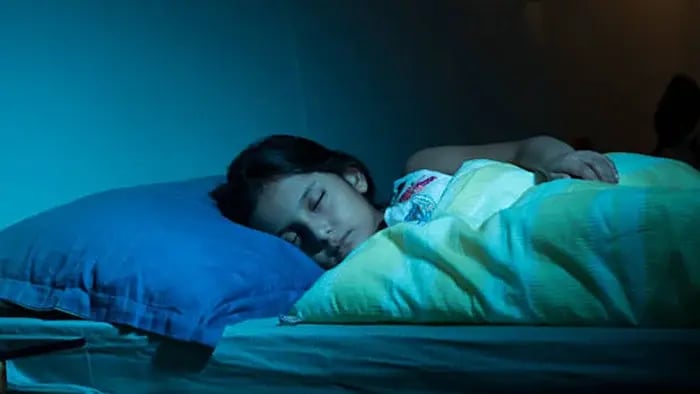
One of the most common reasons children resist sleep or have difficulty falling asleep is bedtime anxiety. Breathing exercises for anxiety work by activating the parasympathetic nervous system response, providing kids with an immediate physiological release. Reducing the increase in heart rate associated with anxiety is particularly effective with slower exhalations than inhalations. Kids who learn how to use breathing techniques on their own develop real self-regulation capacity in moments of anxiety. When these techniques are applied repeatedly at night, the number and severity of bedtime anxiety episodes gradually decrease.
Difficulty Falling Asleep
Mindfulness directly addresses the overactive mental state that children who have difficulty falling asleep often experience. Guided meditation provides a focused, absorbing focus of thought that will naturally displace stimulating or anxious thought patterns. Story meditations are particularly effective for younger children who are very receptive to story and imagination. Playing the same guided meditation every night builds up familiarity and a strong associative signal for sleep onset. Most children show measurable improvement within 2 to 3 weeks of regular guided meditation practice.
Restlessness or Hyperactivity
Physical restlessness at bedtime is a sign of residual muscular tension and nervous system arousal that can be remedied through mindfulness. A body-scan meditation followed by gentle stretching is a good way to release the physical energy behind restless behavior. Children who are very active during the day will benefit most from a structured physical relaxation before sleep. A dual approach to pre-sleep hyperactivity: combining breath awareness and progressive body relaxation. Parents who start this combination report significant decreases in bedtime restlessness in the first few weeks.
How Parents Can Build Mindfulness Habits in Children
Parents play the most significant role in making mindfulness a natural part of a child’s bedtime. Children who see their parents modeling calm, intentional behavior before bed will adopt similar behavior. Keeping techniques simple, age-appropriate, and presented as enjoyable rather than obligatory maximizes child participation. It’s not so much perfection as consistency that matters – even a short, imperfect mindfulness practice has cumulative neurological benefits. The best time for children to experience mindfulness is when they feel emotionally safe, and their parents are patient and positive.
Frequently Asked Questions
Do breathing exercises really help kids sleep better?

Calming breathing exercises are one of the most well-studied non-pharmacological interventions for improving children’s sleep. Slow breathing activates the parasympathetic nervous system, which slows your heart rate and reduces physical arousal within minutes.
How long should mindfulness exercises last before bed?
Doing 10-20 minutes of mindfulness practice before bedtime reliably improves sleep onset in children. Even five-minute sessions are beneficial to very young children or those new to the practice.
What is the best bedtime meditation for kids?
Most children find guided visualization meditations work best, especially when they include nature imagery or a gentle story. These formats involve constructive engagement of the imagination, replacing stimulating thoughts with calm, peaceful mental content.
Can mindfulness reduce anxiety in children?
Research has consistently shown that mindfulness practice can reduce symptoms of anxiety in children of varying ages. Mindfulness fosters metacognitive awareness, helping children see anxious thoughts without being swept away by them.
At what age can kids start mindfulness practices?
Even for children as young as 3, there are simple, age-appropriate breathing and relaxation exercises. Preschool and early primary school children do well with belly breathing, body awareness, and short guided imagery.
Conclusion
Mindfulness exercises for kids are a practical, proven way to help them sleep better and have calmer bedtimes. Consistent small habits—breathing, body awareness, and gentle reflection—build self-regulation skills and immediate sleep benefits. All the techniques work way better with routine and having parents around. Sleep improves, anxiety decreases, and children take these tools well beyond the bedroom into daily life.
Her love for storytelling began with reading her grandfather’s speeches, where Tarishi saw the power of words in creating lasting memories. Combining her passions for food and writing, she has turned her life into a fulfilling path of sharing stories that celebrate flavours and how food brings communities together.
The views expressed are that of the expert alone.
Popular Topics