




 Parenting Guide


 Child Health & Growth


 Learning & Skills Development


 Food & Nutrition


 Bournvita





Introduction
A healthy family is one where both parents and kids are actively involved in supporting each other. The support can be in the form of having open conversations, helping out each other with daily chores, and just being there for each other during tough times. All these practices can develop a very harmonious environment at home where everyone feels supported and loved.

A parent’s role in the life of a child is of paramount importance. Children helping parents are actively involved in caring for and providing for the child. However, sometimes parents may feel a bit overwhelmed with continuous responsibilities. In such a scenario, a child’s support can play a significant role in alleviating the responsibilities of parents and making them feel more relieved. This may also enhance the quality of the relationship between the parent and the child.
Why It’s Important For Kids To Help?
For parents and kids who want to understand the impact of a child's regular help on a parent's mind and everyday functioning, here are some positive factors that you can take into consideration.
Building Life Skills & Responsibility
Getting rest from time to time may also allow parents to recharge themselves and practice their hobbies in their leisure time. A parent who has a healthy mind and body can support a child in the best possible way. A child can give their parents small breaks by taking age-appropriate responsibility, such as cleaning the garden, dusting the drawing room, or keeping different groceries in the pantry properly. Small help like this goes a long way and may provide parents with the opportunity to take some time out from their busy schedule and do what they like.
Strengthening The Family Bond
Sometimes parents may feel extremely drained out and unmotivated because of a lack of motivation and appreciation. In such a scenario, kind words and little help from the child can make the parents feel instantly encouraged. It may enhance the quality of the bond between parents and the child, where both indulge in sharing responsibilities to the best of their capabilities. Also, the child may learn how to carry out different responsibilities and manage relations from an early age.
Reducing Parental Stress
As per a research paper called The Development and significance of chores: Then and now, published in 2015, kids supporting parents by doing everyday chores may help parents feel more emotionally balanced. Parents may sometimes feel an extreme burden due to constant responsibilities, which may even lead to overstimulation. In such a scenario, a child's help can prove to be of substantial help to parents. In the long run, it may also make the child understand the hard work that their parents put in to make the house run smoothly.
Age-Appropriate Chores For Children Helping Parents
Simple Tasks for Toddlers (2-5 Years)
| Chore | What the Child Does |
| Putting toys away | Returns toys to their designated basket or shelf after play |
| Wiping spills | Uses a cloth to clean small spills with supervision |
| Feeding pets | Pours measured food into a pet bowl with guidance |
| Carrying groceries | Carries a single light bag from car to kitchen |
| Making their bed | Pulls the blanket up and straightens the pillow |
| Sorting laundry | Separates clothes by color with parental assistance |
| Watering plants | Uses a small watering can on indoor plants |
Helping Hands for School-Age Kids (6-12 Years)
| Chore | What the Child Does |
| Setting the dinner table | Places plates, cutlery, and glasses correctly before meals |
| Washing dishes | Rinses and stacks dishes or loads the dishwasher independently |
| Sweeping floors | Uses a broom to sweep kitchen or bedroom floor |
| Folding laundry | Folds and sorts clean clothes into correct family members' piles |
| Preparing simple snacks | Makes toast, cuts fruit, or assembles sandwiches independently |
| Taking out trash | Removes bin bags and replaces liners without reminders |
| Helping with grocery lists | Identifies household items running low and adds them to the list |
| Cleaning their room | Dusts, organizes, and vacuums their personal space weekly |
Responsibilities for Teenagers (13+ Years)
| Chore | What the Child Does |
| Cooking one meal per week | Plans and prepares a complete meal for the family independently |
| Managing personal laundry | Washes, dries, and puts away their own clothing entirely |
| Grocery shopping | Goes to the market with a list and manages the budget |
| Cleaning bathrooms | Scrubs, disinfects, and restocks bathroom supplies weekly |
| Lawn or garden maintenance | Waters, weeds, and maintains outdoor plants regularly |
| Babysitting younger siblings | Supervises younger children for defined periods responsibly |
| Paying utility bills online | Handles one household bill payment under parental guidance |
| Deep cleaning tasks | Manages periodic tasks like cleaning the refrigerator or organizing storage |
Beyond Chores: Emotional & Social Support
The Power of Listening and Kind Words
Kids don't realize how much a kind word can mean to a tired parent at the end of a long day. Children helping parents don't cost anything and mean a lot more than most kids realize when they do them sincerely. For example, they can say thank you without being asked, notice when a parent looks stressed, and ask how someone's day went. The Harvard Center on the Developing Child voices that kids who grow up in homes where both adults and kids show and talk about their feelings develop better self-regulation and empathy than kids who only see adults do this. Teaching kids to listen without interrupting, validate feelings without immediately offering solutions, and speak gently when things are tense in the family builds emotional intelligence that most "how can child help their parents at home" frameworks don't talk about as much as they do about getting things done.
Spending Quality Time Together
Helping parents at home extends beyond task completion into the territory of simply being present with genuine attention rather than divided focus. A child who sits with a parent at night without a phone, asks about their day, or suggests watching something together is showing support that helps with the loneliness and mental exhaustion that come with being a parent in ways that housework never does. The NIH states that kids who spend regular, unstructured time with their parents are more emotionally secure, communicate better, and have more cooperative family dynamics than kids whose interactions with their parents are mostly structured around instruction, correction, or task management during the week. Understanding how can a child help his family at this level transforms the parent-child relationship from a hierarchical structure that contributes to each other's well-being in meaningful and recognized ways.
Practical Ways to Help Around the House
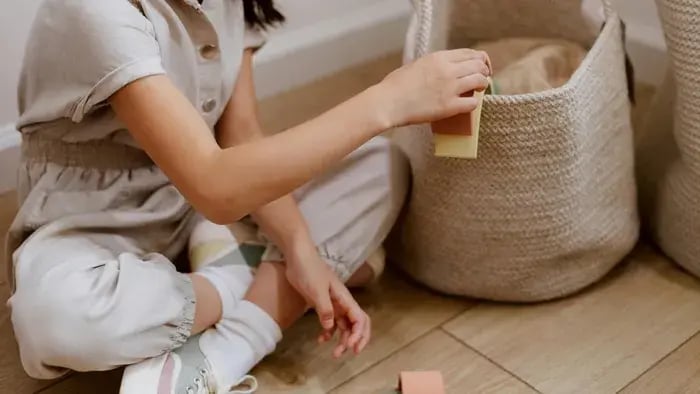
There are several ways through which kids can help parents by performing various chores in the house. Here is a list of some kid-friendly household chores that they may do to make their parents feel supported.
Kitchen Helpers: Cooking and Cleaning
One of the most basic ways for a child to reduce their parents’ burden is by keeping their surroundings clean. This could be in the form of cleaning one's room first thing in the morning, followed by keeping the kitchen, drawing room, and other common spaces in the house clean. This can be done in the form of dusting the furniture, putting things back in their place after using them, changing sheets and other covering clothes on different furniture, and much more. If possible, a child may also use a broom or a mop to clean the floor.
Organizing Common Spaces
For kids who want to contribute to keeping the kitchen clean, but are too young to do dishes, they can simply help their parents by assigning the clean things back to their respective common places. Once the things have been cleaned, you may wipe them with a dry cloth. You may simply take them and assault everything one by one in different sections. You may also initially get the help of your parents to understand the proper arrangement, after which you may start doing it on your own.
Taking Care of Pets and Plants
Responsibility for a living thing teaches children something that household chores alone cannot: that consistent daily attention directly determines whether something thrives or suffers. Feeding a pet, refilling its water, and watering plants on schedule gives children a tangible, immediate consequence for either showing up or forgetting, making this one of the most effective practical lessons in how can children help their parents while simultaneously building genuine empathy, routine discipline, and the quiet satisfaction of watching something grow because of their own consistent care.
Conclusion
Children helping parents can have an overall positive impact on all the members of the family. While parents may feel supported, a child can grow into a confident and self-reliant individual who also knows how to be empathetic with others.
Frequently Asked Questions
At what age should children start doing chores?

Simple tasks like putting toys away and wiping spills suit children as young as two. Helping parents at home should begin early with age-appropriate tasks, building gradually rather than waiting until children are old enough to do everything independently without supervision or guidance.
Should children be paid for doing chores?
Paying for basic household tasks teaches children that how can a child help his family is conditional rather than expected, which most child development experts caution against. Linking pocket money to effort-based tasks beyond standard chores, rather than routine contributions, balances financial literacy with family responsibility more effectively.
How can a child be motivated to help without nagging?
Framing children helping parents as a normal family expectation rather than a favor children do when reminded removes the negotiation entirely. Consistent routines, visible chore charts, and genuine appreciation expressed specifically rather than generally motivate children far more reliably than repeated reminders or escalating consequences across the week.
Pakhi writes with the belief that dessert isn’t just a dish—it’s a mood. Her work blends storytelling with tips, turning timeless treats and trendy bites into accessible moments of comfort, celebration, and creative expression.
The views expressed are that of the expert alone.
Popular Topics