



 Parenting Guide


 Child Health & Growth


 Learning & Skills Development


 Food & Nutrition


 Bournvita





Introduction

Immunity-boosting Indian foods are found easily in our kitchens. These foods have been used in daily Indian recipes for generations, and they support the body’s defense system. From the turmeric by the stove to the garlic in the tadka, these everyday ingredients certainly do much more than add flavor. They provide nutrients and antioxidants that help the immune system stay strong.
Our immune system works every day to protect us from infections and support body recovery. Some examples of Indian foods that help to boost immunity in kids are haldi, lahsun, dahi, adrak, tulsi, methi, and nimbu. These foods are not only found easily in Indian kitchens, but they can also be included in daily meals without needing any extra effort and can help people of all ages, from children to grandparents, to build stronger immunity.
7 Everyday Kitchen Ingredients That Boost Immunity
Your kitchen already hasindian foods that help to boost immunity in kids. When these foods are included regularly in everyday meals, these simple foods can help the body fight infections, support gut health, and promote overall wellness.
Haldi (Turmeric)
Turmeric is well known for its healing properties. According to a study published in CRC Press/Taylor & Francis, 2011, its active compound, curcumin, has strong anti-inflammatory and antioxidant properties that support the immune system. Pair turmeric with black pepper or ghee to improve absorption, and include it regularly in curries, dals, or turmeric milk.
Lahsun (Garlic)
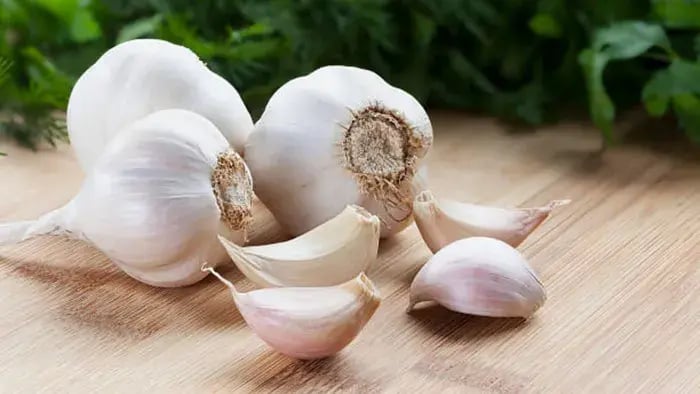
As per a study published in Ayu. 2018, garlic contains allicin, a compound with antibacterial, antiviral, and antifungal properties. Regular use may help support white blood cell function and gut health. Add garlic to curries, soups, or dal, or serve garlic parathas for children who prefer a milder flavor.
Dahi (Curd)
A study published in Indian J Med Res. 2014 shows that dahi is a natural source of probiotics that support gut health. Since much of the immune system is associated with the gut, maintaining a healthy digestive system is important. Enjoy dahi as plain curd, raita, chaas, or with fresh fruit.
Adrak (Ginger)
Research published in Drugs Context. 2023 states that ginger has long been used to help manage colds, coughs, and inflammation. It also supports healthy digestion and circulation. Add fresh ginger to tea, curries, soups, or khichdi for an easy immunity boost.
Tulsi (Holy Basil)
Tulsi is a wellness tradition in many Indian homes. According to a study published in J Ayurveda Integr Med. 2014, it contains vitamin C, zinc, and phytonutrients that support immunity and respiratory health. Tulsi can be enjoyed as herbal tea, kadha, or infused water.
Methi (Fenugreek Seeds)
A study published in Saudi J Biol Sci. 2015 suggests that methi seeds provide fiber, iron, and antioxidants that support digestion and healthy blood sugar levels. Soaked methi seeds or methi water are simple ways to include them in the daily diet.
Nimbu (Lemon)
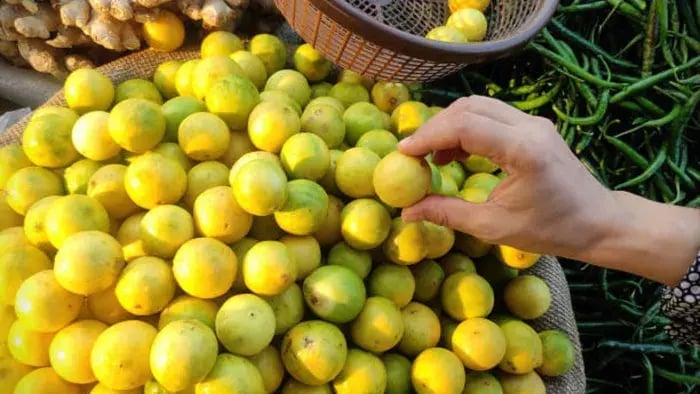
According to a study published in Food Sci Nutr. 2023, lemons are rich in vitamin C, which supports normal immune function and helps white blood cells work effectively. Add lemon juice to warm water, salads, chaats, or dal for an easy daily boost.
Simple Daily Habits to Make These Foods a Routine
Building immunity works best when these ingredients become part of your daily meals instead of being used only when someone is sick. Small, consistent habits make a bigger difference over time.
- Morning: Start the day with warm lemon water or a few soaked methi seeds (for older children and adults).
- Lunch: Serve dahi as plain curd, raita, or chaas alongside the meal.
- Cooking: Add haldi, lahsun, and adrak to dals, curries, soups, and vegetables every day.
- Evening: Offer tulsi tea or tulsi-infused water for older children and adults when appropriate.
- Night: A cup of warm turmeric milk can be a comforting bedtime drink for children and adults who tolerate milk well.
Conclusion
You don't need to wait until someone falls sick to start building immunity. Ingredients like haldi, lahsun, dahi, adrak, tulsi, methi, and nimbu are already part of many Indian kitchens and can support everyday health when used regularly. Simple, balanced meals with these foods can help children, adults, and grandparents build stronger immunity and stay healthier throughout the year.
Frequently Asked Questions
How much turmeric or garlic is safe to give children daily?

Small amounts of turmeric and garlic used in regular home-cooked meals are generally enough for children. Avoid giving large quantities or supplements unless recommended by a pediatrician. If your child has a medical condition or is taking medication, consult a healthcare professional before increasing their intake.
Can these immunity-boosting foods be used for all age groups, including toddlers?
Most of these foods can be included in age-appropriate portions for toddlers, children, teens, adults, and older adults. Introduce new foods gradually and prepare them in ways that suit the child's age. Always follow your pediatrician's advice, especially for children under one year of age.
Are there any foods on this list that should be avoided for kids with allergies?
Yes. Some children may be allergic or sensitive to certain foods or ingredients. If your child develops symptoms such as rashes, swelling, vomiting, or difficulty breathing after eating a particular food, stop serving it and seek medical advice. Always introduce new foods one at a time so it is easier to identify any allergic reactions.
The views expressed are that of the expert alone.
Popular Topics