




 Parenting Guide


 Child Health & Growth


 Learning & Skills Development


 Food & Nutrition


 Bournvita





Introduction
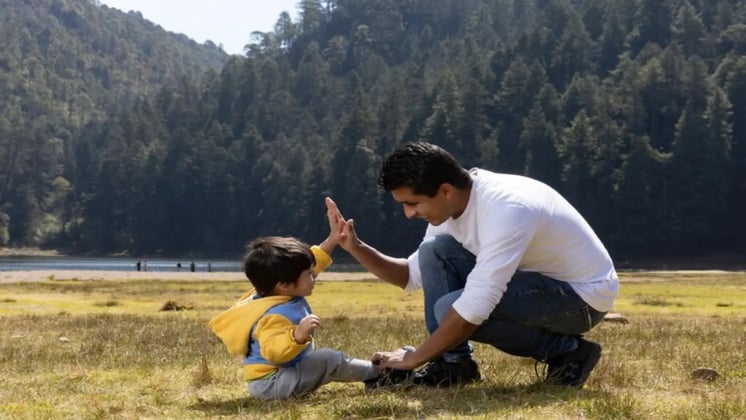
With increasing screen time, online classes, gaming, and sedentary routines, many children today are becoming less physically active than before. As a result, stamina, physical endurance, and overall fitness levels are slowly declining. Children may get tired quickly, avoid outdoor activities, or struggle with physical challenges that require strength and persistence. This is why activities like hiking and nature walks can be extremely beneficial for growing kids.
Hiking is not just about walking outdoors; it is a gradual physical challenge that helps children build endurance, improve strength, and develop confidence. Uneven trails, inclines, and longer walking distances encourage kids to push themselves naturally while enjoying nature. These activities also teach perseverance, patience, and resilience in a fun and healthy environment. Instead of spending all day indoors with devices, children can reconnect with nature, stay active, and improve both their physical and mental well-being through hiking and outdoor exploration.
The Connection Between Hiking And Building Endurance
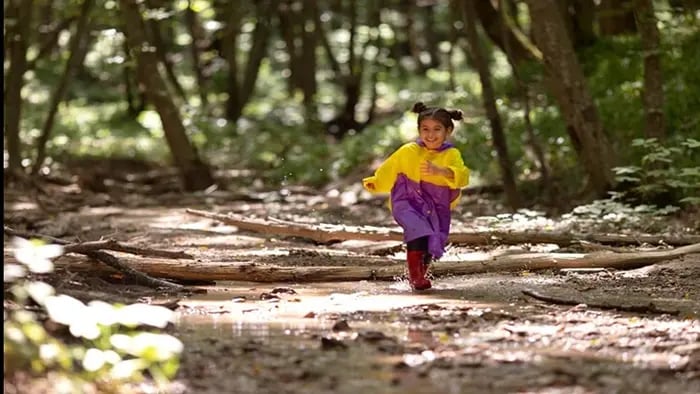
Hiking employs multiple muscle groups throughout the journey, but chiefly focuses on leg and core muscles. Since it is like a good habit, it must be practiced regularly, even if for a short duration. Using those muscles increases your kid’s endurance to tolerate more soreness, pain, or wear and tear. And with proper, healthy snacks and meals, such muscles and joints only grow stronger and resilient. Hiking also improves your kid’s stamina. After all, if a child goes on nature trails for a couple of kilometers with their family daily, their stamina will soon be enough to handle it with ease. All you need to do is increase the distance and continue developing stamina and endurance in kids, as they keep enjoying nature and fitness.
Hiking Activities That Help Kids Build Endurance
Different hiking activities can help children improve stamina and physical strength gradually. These activities encourage movement, challenge muscles, and make endurance-building more enjoyable for kids.
Trail Walking Challenges
Simple trail walks are a great starting point for children. Walking through nature trails helps improve cardiovascular endurance, leg strength, and overall stamina. Gradually increasing the distance over time helps children build endurance naturally without overwhelming them.
Incline and Hill Climbing Hikes
Walking uphill or climbing small inclines requires extra effort from the body. These hikes strengthen leg muscles, improve balance, and help children develop perseverance as they learn to manage physical effort and fatigue.
Backpack Hiking Challenges
Carrying a light backpack during hikes can help improve posture, coordination, and endurance. It also teaches responsibility while adding a manageable physical challenge that strengthens core and back muscles.
Nature Trail Exploration Walks
Exploration walks encourage children to stay active for longer periods without focusing only on exercise. Observing plants, insects, birds, or natural surroundings keeps hikes interesting while improving physical stamina through continuous movement.
Benefits of Hiking and Nature Walks for Kids
Hiking offers both physical and emotional benefits for children. Regular outdoor activities help improve strength, confidence, and coordination while encouraging healthy habits and resilience.
Supports Physical Endurance and Strength
Hiking works multiple muscle groups at the same time, especially the legs, core, and back. Regular hikes improve stamina, cardiovascular fitness, and overall body strength while helping children stay active and healthy.
Builds Perseverance and Confidence
Completing a trail or climbing a hill gives children a sense of accomplishment. These small challenges teach them patience, determination, and confidence in their abilities, helping them become mentally stronger over time.
Improves Balance and Coordination
Walking on uneven trails, rocks, or slopes improves body balance and coordination. Hiking encourages children to focus on movement and body control, which helps develop better motor skills and stability.
Hiking Activities That Help Kids Build Endurance
Outdoor games and interactive challenges can make hiking even more enjoyable for children while helping improve endurance and focus.
Trail Scavenger Hunts
Create a list of leaves, flowers, rocks, or birds for children to find during the hike. This keeps kids engaged and encourages them to walk longer distances without getting bored.
Nature Obstacle Challenges
Simple obstacles like stepping over logs, climbing small rocks, or balancing on trails make hikes more exciting. These activities improve coordination, agility, and physical endurance.
Distance Goal Hiking Games
Set small hiking goals, such as reaching a certain tree or completing a specific trail length. Achieving these mini-goals motivates children and helps gradually improve their stamina and perseverance.
Tips On Using Nature Walks And Hiking To Build Endurance In Kids
Start Young
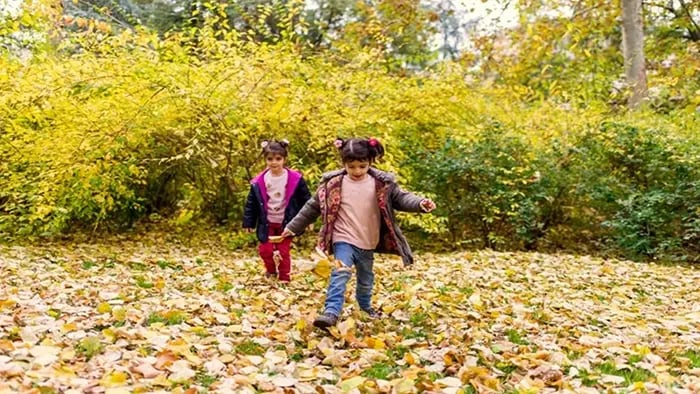
Offer to take your kids on hikes from a young age. They may say no, but do not lose patience. It often takes months or years before kids see you having fun doing the activity and join in. So, even if your kids refuse to join, take them along and let them sit in their perambulator. This will make sure they feel a part of the experience and are attracted to trying it.
Make Them Carry Their Backpacks
This may seem surprising, especially for young kids, but yes. Make them carry their backpacks. Obviously, not the basket or bag containing their food or diapers, but a backpack with their personal toy or water bottle in it. This will develop the habit of carrying one’s own luggage without hoisting it onto someone else.
Make It Fun
Hiking and nature walks can be very mesmerizing. They offer a wide range of novelties, like cool insects, unique flowers and leaves, friendly birds, lush greenery, and cooler temperatures. As a result, kids automatically have multiple distractions to ensure they are not bored. You can also make up hiking games for them like ‘I Spy,’ ‘Memory Game,’ and more.
Go At Their Pace
When hiking with your children, especially young ones, let them set the pace. It may seem very slow, but it is essential for kids to feel they are doing well and going steady. If they realize they are slowing everyone down, it might demotivate them. So, unless you need to be somewhere soon or there is an emergency, let your child build up their pace and perseverance on their own terms.
Offer Positive Reinforcement And Praises
Positive reinforcement and appreciation help a lot. It can make or break your kid’s love for an activity and confidence. So, if your kid is trying and enduring a walk or hike in nature, appreciate and praise them precisely. If they complete the hike, or achieve the goal set, reaching the hilltop for example, reward them with a homemade hiker’s certificate, sticker, or other tangible small presents to commemorate the achievement.
Bond Together
Hiking and going on nature walks are an excellent way of bonding with your child. They may grow up, but this bonding time activity will remain special and going. Since kids are more open to learning and suggestions in nature, they teach them valuable life lessons, answer their queries about life and the world, and help them identify different plants and creatures. These memories will remain with you and your kid for a lifetime.
Conclusion
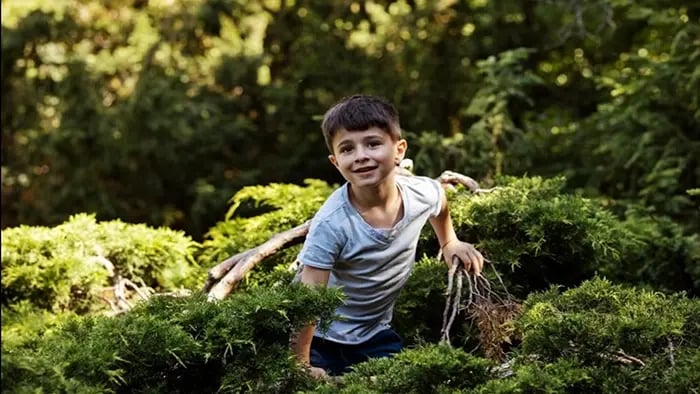
Going on walks and hikes in nature is an exciting and healthy experience. It detoxes kids from their daily digital, sedentary lives and brings back mindfulness and child-like curiosity in them. What better way to teach kids endurance and perseverance than employing the best of nature and physical fitness? Give this guide a try and watch your child’s perseverance build well from a tender age.
Frequently Asked Questions
How long should beginner hikes be for kids?

Beginner hikes for children should usually last between 30 minutes to 1 hour, depending on age and fitness level. Short and enjoyable hikes help build confidence and stamina gradually.
How does hiking help improve endurance in children?
Hiking improves endurance by encouraging continuous movement over different terrains. It strengthens muscles, improves heart health, and helps children build stamina and resilience over time.
Kaushiki Gangully is a content writing specialist with a passion for children's nutrition, education, and well-being. With more than five years of writing experience and a science-based background, she provides nuanced insights to help families raise happy, healthy kids. Kaushiki believes in making learning and healthy eating fun, empowering parents with practical, easy advice.
The views expressed are that of the expert alone.
Popular Topics