




 Parenting Guide


 Child Health & Growth


 Learning & Skills Development


 Food & Nutrition


 Bournvita






Introduction
Previous generations had the physiological preparation that comes from naturally more active, less screen-saturated childhoods. While teenagers are navigating one of the most physically and psychologically difficult developmental shifts in the human lifespan with zero physiological preparation. The benefits of yoga for secondary school students are uniquely extensive because adolescence presents simultaneously the physical challenges of rapid musculoskeletal growth.
The psychological challenges of identity formation and academic pressure, and the neurological challenges posed by a still-maturing prefrontal cortex that regulates impulse control, emotional regulation, and long-term planning. Yoga for teenagers meets all three of these needs with one easy daily practice that requires no equipment. Also, no competitive performance and no prior athletic experience, making it difficult to provide a real developmental advantage. Twenty minutes of yoga a day for a teenager provides the postural correction. Yoga also provides the stress relief that examination pressure needs, the focused concentration that academic performance needs, and the emotional resilience for social navigation.
Why Yoga Is Important for Teenagers Today
Academic pressure, screen time, and stress
Indian teenagers spend an average of four to six hours a day on screens. A busy academic schedule leaves little time for unstructured physical activity. The cumulative effect includes forward head posture and tight hip flexors. Chronic upper back tension from long periods of screen use and sitting. Prolonged daily stressors augment baseline sympathetic nervous system activity. Teen Yoga directly tackles each of these lifestyle-driven consequences.
Need for physical + mental balance
Teenagers have to grow physically competent and psychologically stable at the same time. Yoga for teens develops uniquely through a single accessible practice. It builds up the body, and soothes and settles the mind. Unlike athletic activities, yoga is not done competitively, along with the physical benefits.
Why yoga is a sustainable fitness option
All kids need for yoga is a mat and some daily commitment. Outside resources and scheduling are needed for sports teams and fitness programs, and for gym memberships. Sustainable habits formed in adolescence matter. The physical activity habits developed in adolescence lead to better long-term health outcomes.
Key Benefits of Yoga for Teens
Improves Flexibility and Mobility
Holds in poses apply sustained passive stretching. This is how yoga improves flexibility. Practice gradually lengthens shortened muscle groups due to prolonged sitting. Hip flexors, hamstrings, thoracic spine, and pectoral muscles all consistently lengthen. Yoga for balance and flexibility helps compensate for coordination deficits associated with sedentary adolescent lifestyles. Flexibility gains decrease injury risk and increase the overall range of motion. A good range of motion is vital for the correct physical development of the adolescent body.
Builds Strength and Core Stability

Yoga for core strength builds deep spinal stabilizers, often missed in workout routines. Regular yoga practice develops the transversus abdominis and multifidus muscles. Functional core strength is built with plank variations, warrior sequences, and boat pose. Core strength is important for athletic performance, healthy posture, and back pain prevention.
Enhances Posture and Reduces Pain
Correcting Posture with Yoga (Forward Head and Rounded Shoulders from Devices) Regular yoga backbends can help with thoracic kyphosis caused by screen use. Poses that open the chest and lengthen the spine are an effective antidote to postural damage done by devices. Yoga for neck and shoulder tension offers significant relief for chronic upper body pain.
Boosts Concentration and Academic Focus
Yoga for students helps concentration by training sustained attention through held postures. Breath-awareness practices offer a direct neuromuscular experience of focused mental attention. Mindful physical practice significantly improves working memory by activating the prefrontal cortex. Regular yoga practice improves sustained attention and executive function. The students say that yoga helps them deal with the fear of examinations and improves their ability to concentrate for long periods. Emotional regulation improves to assist students in navigating high-stakes academic assessment environments.
Supports Mental Health and Reduces Anxiety
Yoga for adolescent anxiety targets physiological arousal, cognitive rumination and social anxiety. Yoga increases parasympathetic activation, breath control, and present moment awareness. Regular yoga practice is beneficial for teenagers managing exam pressure and identity uncertainty. Yoga deals with stress differently from cognitive coping strategies do.
Improves Balance and Coordination
Yoga’s balance challenges help develop neural pathways for proprioception to aid coordination and agility. Teenagers can boost their physical confidence by improving their balance through daily yoga. Yoga for balance and flexibility builds two important qualities that complement each other. Both of these qualities improve when kids practice them consistently for four to six weeks. These gains do not rely on prior athletic experience or present fitness level.
Best Yoga Poses for Teen Strength and Flexibility
1. Tadasana (Mountain Pose) – Improves Posture
Mountain pose teaches teens to balance in a way that is even and aligned. This foundational pose cultivates neutral spinal alignment and relaxed shoulders. It directly offsets the habitual forward collapse caused by long-term device use. Tadasana with mindful breathing for three minutes a day helps develop the necessary body awareness. Other poses may address structural consequences, but this body awareness is required first.
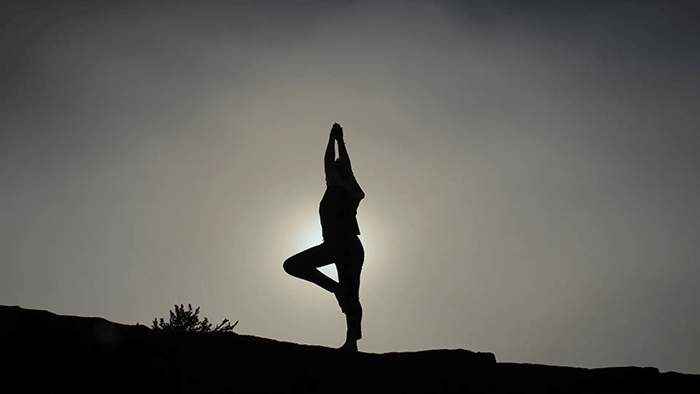
2. Vrikshasana (Tree Pose) – Builds Balance and Focus

Tree pose tests single-leg stability, hip abductor strength, and focused concentration. This practice is useful for athletic performance and for developing academic focus. Tree pose practitioners develop skills for paying attention in the moment. This translates directly into better focus while studying and during exam times. Bilateral practice on each foot builds symmetrical strength and prevents overuse imbalances.
3. Adho Mukha Svanasana – Full Body Stretch
Downward dog stretches your whole back side and tones the shoulders at the same time. There is mild cardiovascular activation in this accessible inverted position. Hamstring lengthening is for the tightness that comes from sitting too long during the school days. This is the most versatile pose for building strength and flexibility. It’s a great way to build upper-body strength while stretching the lower body. Starting out successfully with the downward dog doesn’t require much flexibility.
4. Setu Bandhasana (Bridge Pose) – Strengthens Core and Back
The bridge pose builds posterior chain strength that a healthy sitting posture demands. A pelvic lift works the glutes, hamstrings, and spinal extensors. The chest opens in a counter-stretch to the daily forward flexion postures. Bridge works the often-neglected posterior core with yoga for core strength. Traditional abdominal exercises only work the front of your core and ignore the back.
5. Sukhasana (Easy Pose) – Calms the Mind
The easy pose, with legs crossed and spine erect, is a grounded stillness that works. This stillness through physical practice is just what scattered teenage minds need. Three to five minutes in sukhasana, with awareness of the breath, develop internal tolerance. Meditation requires that all practitioners be able to endure stillness. Teens often resist stillness without a physical anchor to grab their attention.
Additional Yoga Asanas for Teens
Child’s Pose (Balasana) – Relieves Stress
Child’s pose is an instant parasympathetic-nervous-system soother. The combination of the forehead-down position and abdominal compression produces this calming effect. Child’s pose is a good, safe, physiological way for teens to relieve stress. This asana is available regardless of the situation, circumstances, or available support resources. It’s the most accessible stress-reduction complementary pose in any yoga sequence.
Cobra Pose (Bhujangasana) – Strengthens Spine
Cobra counters the forward-rounding position. This fundamental backbending action strengthens the spinal extensors and opens the chest. Most teenagers’ bodies actually need this spinal extension work every single day. Cobra opens your chest and relieves upper back fatigue through thoracic extension. It builds the spinal strength necessary for healthy posture during long hours of sitting.
Cat-Cow Stretch – Reduces Back Tension
Cat-cow helps release tension in the spine and compression between the vertebrae from long hours of studying. Five to eight rounds before study sessions releases physical tension, which distracts attention. Study of the same sequence prevents tension from developing into chronic stiffness. Teenagers who study without movement breaks are protected from next-day lower back discomfort.
Seated Forward Bend – Improves Flexibility
Paschimottanasana stretches the entire posterior chain from the heels to the upper back. Teenagers who do this pose get measurable benefits for five to eight breaths a day. Lower back strain is reduced in four to six weeks with improvements in hamstring length. It helps to maintain a comfortable sitting posture for long study sessions. This is one of the most useful poses for the school-going age group.
Warrior Pose – Builds Strength and Stability
Warrior I and II build lower body strength, hip flexibility, and physical presence. For example, regular experience of empowerment, like the warrior pose, for example, is especially good for teenage embodiment. Holding a warrior through muscle fatigue builds mental strength and resilience. All are equally good for academic perseverance, social challenges, and working towards goals. The Warrior series offers the most comprehensive strength-flexibility developmental benefit available.
Yoga Routine for Teenagers (Beginner-Friendly)
10-Minute Daily Yoga Routine
Start with three rounds of cat-cow to gently warm the spine. Hold downward dog for five breaths to stretch and strengthen at the same time. For lower-body power, enter warrior I on either side. Release into the bridge for 5 breaths to activate the back chain. Sit in child's pose for 3 minutes to help calm the nervous system. If kids can do 10 minutes consistently each day, that is better than doing 30 minutes once in a while for 4 weeks.
Morning Yoga Routine for Students
A five-minute morning routine is a great way to activate physical awareness and mental presence. Begin with mountain pose, five downward dogs, and five reps of cobra. Finish with three minutes of Easy Pose breathing to bring the mind to stillness. Morning yoga before breakfast prepares the body for school by giving physiological alertness. Improved emotional regulation to support the quality of academic engagement throughout the morning. Teenagers who regularly do morning yoga always report better focus and exam performance.
Yoga Before Study for Better Focus
Three to five minutes of focused breathing in easy pose clears mental chattering. Five rounds of cat-cow, child's pose, prime the mind for study. This pre-study ritual conditions the brain to associate it with focused work. The regular pairing of yoga and study sessions builds a conditioned response. Students report that they participate more quickly and concentrate longer when they study.
Yoga for Strength vs Flexibility: How It Works
Strength from holding poses
A static pose holds recruit muscle fibers isometrically to develop muscular strength and muscular endurance. That’s true strength—holding a plank for thirty seconds or warrior for five breaths. Yoga isometric holding techniques do not involve outside resistance.
Flexibility from stretching muscles
Static stretching for 30 seconds or longer is effective in lengthening viscoelastic tissue. The hold time of short bouncing stretches is not enough to realize this. Yoga increases flexibility through the prolonged application of tissue during practice.
Balance between both for athletic performance
Yoga for balance and flexibility develops qualities complementary to those that pure training does not have. Neither pure strength training nor pure stretching addresses the two qualities individually. Yoga practice in teenage athletes boosts injury resistance and movement quality. This is compared with peers following only strength or flexibility training approaches.
Tips to Practice Yoga Safely for Teens
Start slow, avoid over-stretching
Teenagers’ competitive tendencies often lead them to unsafe demonstrations of maximum flexibility. Hypermobility instability in the bodies of adolescents is caused by the overextension of ligaments and joint capsules. Hypermobility predisposes to injury during further physical activity.
Maintain proper posture
The quality of alignment in yoga depends on the consistent application of fundamental positioning principles. A shallower right pose gives better results than a deeper, misaligned pose. If kids lose the structure for the sake of depth, they defeat the purpose of postural improvement in yoga.
Focus on breathing
The awareness of breath throughout the practice is what separates yoga from just physical stretching. Through breathing, you can activate the mechanisms of regulation of the nervous system and reach psychological and physical benefits. The most developmentally significant aspect of yoga is missed by teenagers who practice without attention to breath.
Practice consistently
Ten minutes a day for thirty days in a row yields deep and lasting results. Your kids don’t get it by practicing three hours a week. Most importantly, students benefit from practicing yoga consistently each day.
Common Mistakes Teens Should Avoid
Treating yoga like a quick workout
When kids rush through poses and skip breath synchronization, they miss the whole point of yoga. Using yoga as cardio, kids lose the nervous system benefits and the mindfulness benefits. Yoga is developmentally unlike any other physical activity available to teenagers.
Ignoring breathing techniques
The direct pathway to the psychological benefits of yoga is breath. Teens who skip breathing instruction only get the stretching benefits of practice. Breath-aware yoga can reduce stress, improve concentration, and regulate emotions.
Comparing flexibility levels
Social comparison of flexibility depth results in competitive overstretching injuries in groups . It also creates the mental pressure that yoga practice is supposed to relieve. The range of motion of each student is a matter of individual anatomy, history, and current physical state.
Skipping warm-up or cooldown
Kids need to move for five minutes before they get into demanding poses or they risk straining tissue. The sudden stretch loading of cold muscle tissue causes avoidable injury in teenagers. If they miss savasana or the closing poses, they completely miss the integration period for your nervous system. The sense of calm after practice is often cited as the main reason that adolescents continue to practice.
How Yoga Helps Students Perform Better
Improves memory and focus
Yoga increases neuroplasticity in the hippocampus of students, which is important for memory consolidation. Yoga encourages the release of BDNF from exercise to enhance neural growth and cognitive function. Students who practice daily show greater recall accuracy and longer sustained attention. Yoga practitioners are also reported to have faster switching between academic tasks.
Reduces exam stress
Yoga helps students by reducing cortisol levels during exam periods in measurable ways. With regular practice of yoga, one can improve our quality of sleep despite the increasing academic pressure. Emotional regulation prevents students from experiencing examination anxiety to a degree that can impair their performance.
Enhances discipline and routine
Daily yoga teaches teens that small investments, when compounded regularly, can lead to great results. This is learned through observable physical progress over weeks of practice.” The discipline is translated into the academic consistency needed for sustained school performance.
Frequently Asked Questions
Is yoga good for teenagers?

Some of the benefits of yoga for teens include: Increased strength, flexibility, posture and concentration. Practice daily stress management, sleep quality, and emotional regulation as well.
Which yoga is best for students?
Morning practice, breathing rituals before study and evening stress relief routines are most effective. The three daily practice contexts combined offer holistic emotional and academic support.
Can yoga improve concentration?
Yoga for Teens builds sustained attention through held poses and improves focus. Mind-wandering is reduced significantly in study and examination situations by breath awareness. Reducing cortisol eliminates cognitive interference from stress during academic work.
How often should teens practice yoga?
Practicing ten to twenty minutes daily brings consistent yoga benefits. The results are more about the nervous system adapting and forming a habit than the length of the sessions.
Is yoga enough for fitness in teens?
Yoga for strength and flexibility offers the benefits of both strength and flexibility. Daily yoga practice also develops balance, coordination, and a cardiovascular base.
Conclusion
Yoga benefits for students are a unique and comprehensive resource for teenagers' development. It tackles the physical, academic, and emotional challenges of teenage life altogether. Yoga for teens builds strength, flexibility, and mental clarity without requiring a huge time commitment. Consistent practice can be incorporated into busy secondary school schedules without complexity. Yoga is the best daily habit one can do with long-term physical and psychological benefits.
Smriti is a content writer who creates clear, practical, and informative content backed by science and relevant data. With a strong understanding of structured writing, she breaks down complex topics into simple, actionable insights. Her work is focused on helping readers prepare, learn, and grow with confidence and clarity.
The views expressed are that of the expert alone.
Popular Topics