




 Parenting Guide


 Child Health & Growth


 Learning & Skills Development


 Food & Nutrition


 Bournvita





Introduction
Vitamin D is a fat-soluble vitamin that is required for many bodily functions. It is known as the “sunshine vitamin” because it is produced in the skin from 7-dehydrocholesterol when exposed to ultraviolet B (UVB) rays. A variety of factors, including the season, level of air pollution, skin pigmentation, latitude, use of sunscreen, type of clothes, and amount of skin exposed, determine the level of synthesis in the skin. Vitamin D is important for bone health because it regulates Calcium and Phosphate metabolism. Furthermore, it aids in the absorption of calcium, which is one of the primary building blocks for strong bones. Your body requires Vitamin D for muscle contraction and nervous system functioning.
As a result, including Vitamin D-rich foods may be one possible way to reduce Vitamin D insufficiency among kids. A diet containing Vitamin D-rich foods is a key to getting more of it into the body since children’s needs and habits have changed, and they don’t spend enough time in the sun anymore. Vitamin D-rich foods, instead of supplements, are a better way to ensure enough of it in our kids.
Here are 7 Vitamin D-rich foods to address Vitamin D deficiency among kids
1. Seafood & Fatty Fish
Seafood and fatty fish are natural sources of Vitamin D, and they have it in abundance. They have Vitamin D3, which is easily absorbed in the intestine. Cholecalciferol levels in fatty fish such as sardines and anchovies range from 2 to 4 micrograms per 100g edible amount. Consuming these fatty fish in baked or steamed form two or three times per week can help meet vitamin D requirements.
2. Egg Yolk
Apart from being a strong source of protein, egg yolk also includes a significant amount of vitamin D3. To get more vitamin D3, choose free-range eggs. Hens bred in pastures spend a lot of time in direct sunlight. As a result, their eggs pack a greater amount of vitamin D as compared to other varieties available on the market. Egg yolk additionally contains cholesterol, a derivative of which is needed as an initial substrate for vitamin D synthesis under the skin. Incorporating one or two whole eggs into your child’s diet on a daily basis is an excellent approach to meet protein and vitamin D requirements.
3. Amaranth seeds & Sesame seeds
According to the National Institute of Nutrition’s published food composition data, amaranth seeds (rajgira) and sesame seeds (til) are good vegetarian sources of vitamin D, particularly vitamin D2. They contain about 55 to 75 micrograms of vitamin D2 per 100 grams of food. These seeds can be included in your child’s meals on a regular basis. Both of these food sources are high in calcium, making them an excellent choice for children who are lactose intolerant or allergic to milk.
4. Mushroom
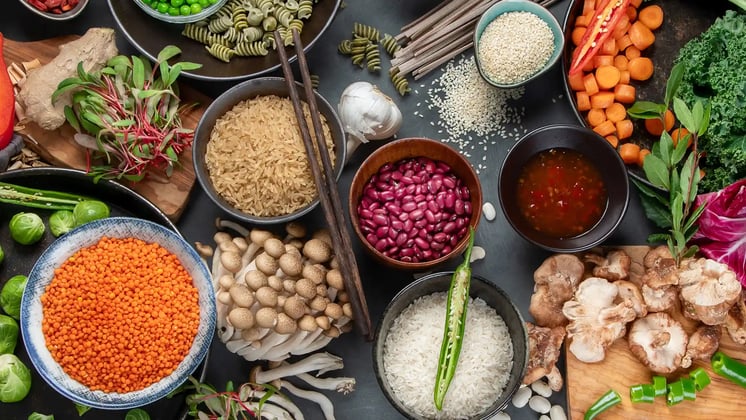
Mushrooms are a good source of vitamin D-rich foods for vegetarians. Mushrooms can make their vitamin D when exposed to UV light, just like people can. Up to 109 micrograms of vitamin D2 can be found in 100 grams of oyster mushrooms. Wild mushrooms have more vitamin D than mushrooms grown conventionally.
5. Fortified Cow’s Milk
Most milk brands on the market today have added vitamin D. There is approximately 0.5 microgram of vitamin D in every 100 ml of enriched cow’s milk. Other foods that have vitamin D are butter, ghee, and yogurt—made from whole milk or fortified with vitamin D. Milk is a good source of both calcium and vitamin D.
6. Soyabean
Among vitamin D-rich foods, soybeans can be a great vegetarian source. Soybeans can give you 66.2 micrograms of vitamin D2 per 100 grams. You can also buy soy products like soy milk and tofu that have been fortified with vitamin D. For vegans, soybean is a good source of protein and calcium. Adding soybeans or fortified soy products twice or thrice a week is an effective way to boost the nutritional value of your child’s diet.
7. Fortified cereals & other products
Because very few food high in vitamin D is found, the vitamin D fortification has become a popular way to supplement your everyday diet. Vitamin D fortification varies from product to product. Vitamin D-fortified almond milk, breakfast cereals, orange juice, milk-based beverages, and other products are widely available at the grocery store. You can look at the nutrition facts on the product labels to find out how much vitamin D was added.
8. Paneer (Indian Cottage Cheese)
Paneer is a soft, familiar food for Indian children. Children across India readily accept paneer in everyday cooking. Paneer's vitamin D content is modest compared to fatty fish. It is also lower than the vitamin D in egg yolk. However, it contributes consistently to daily intake when eaten regularly. Consuming paneer several times weekly builds meaningful cumulative intake. Varied preparations keep children genuinely interested in eating it. According to the National Institute of Nutrition India, dairy products matter. They provide the fat-soluble nutrient matrix that vitamin D needs. Healthy fat in paneer facilitates intestinal vitamin D uptake effectively. Paneer parathas are a popular and nutritious preparation option. Paneer sandwiches are another easy, child-friendly option. Paneer cubes make a simple after-school snack. Paneer sabzi incorporates this vitamin D-rich food into main meals. No special preparation or ingredient sourcing is ever required.
Tips to Maximise Vitamin D Absorption
Combine with Healthy Fats
Vitamin D absorbs more completely when consumed alongside healthy fats. Nuts, seeds, avocado, ghee, and healthy oils all help. The same vitamin D without fat absorbs far less effectively. Serving fortified milk alongside a meal with fat helps. Pairing egg yolk with avocado further optimizes the absorption environment. Parents may do this unconsciously but the benefit is real. Vitamin D always requires this fat for effective physiological utilization.
Encourage Safe Sun Exposure
Dietary vitamin D works best as a complement to sun exposure. It should not be treated as a complete replacement for sunlight. Fifteen to thirty minutes of morning sun exposure is recommended. The ideal window is between 10 AM and 1 PM daily. Unprotected arms and legs should be exposed during this time. Three to four times weekly is the recommended frequency for children. Diet alone rarely sustains vitamin D sufficiency throughout the full year. Most Indian children's current sun exposure patterns are insufficient.
Limit Excess Caffeine and Sugary Drinks
Frequent consumption of caffeinated beverages reduces overall vitamin D absorption. High-sugar drinks cause nutritional displacement and interfere with absorption. An otherwise adequate vitamin D-rich foods strategy becomes less effective. These beverages compete with the nutrients required for vitamin D absorption. The physiological mechanisms by which vitamin D functions get disrupted by them.
Cut Down on Highly Processed Foods
Heavily processed foods reduce gut microbiome diversity significantly over time. Intestinal barrier integrity is also impaired by the consumption of processed foods. Fat-soluble vitamin absorption becomes broadly impaired as a result. This impairment is not limited to vitamin D specifically. Overall dietary quality is the most important single determinant here. It determines how effectively any vitamin D food source works. Improved vitamin D status depends on this overall dietary foundation.
Conclusion
Vitamin D insufficiency leads to abnormal calcium homeostasis, causing rickets in children or osteomalacia in adults, both of which weaken the bones. If children don’t get enough calcium and vitamin D while they are growing up, they may develop osteoporosis and have more stress fractures as an adult.
Frequently Asked Questions
Why is vitamin D important for children’s growth?

Vitamin D controls calcium absorption, directly determining bone density and strength. Deficiency causes rickets, muscle weakness, and poor growth plate development in children.
Can kids get enough vitamin D from food alone?
Dietary sources alone rarely meet the 600 IU daily requirement without sun exposure. The Indian Academy of Pediatrics recommends combining diet, sunlight, and supervised supplementation.
Which foods are rich in vitamin D for kids?
The best vitamin D-rich foods include fatty fish, cod liver oil, and sun-exposed mushrooms. Fortified milk, fortified cereals, egg yolk, and paneer also contribute meaningfully to daily intake.
What reduces vitamin D absorption in children?
Low dietary fat intake, excessive caffeine, sugary drinks, and processed foods all reduce vitamin D absorption. Overall dietary quality is the most important determinant of vitamin D effectiveness in children.
What happens if vitamin D deficiency is left untreated in kids?
Untreated vitamin D deficiency causes rickets, poor bone density, muscle weakness, and impaired immunity. It is currently identified as one of India's most consequential childhood nutritional deficiencies.
Which children are at higher risk of vitamin D deficiency?
Children with indoor lifestyles, darker skin, vegetarian diets, or high pollution exposure face elevated risk. Full-coverage clothing and fat absorption conditions further reduce vitamin D uptake in vulnerable children.
Apurva Surve is a consulting sports nutritionist and has more than 11 years of experience assisting fitness enthusiasts and athletes in achieving nutrition and performance goals. She has a bachelor's and master's degree in food science and nutrition, as well as an International Olympic Committee Post Graduate Diploma in Sports Nutrition.
The views expressed are that of the expert alone.
Popular Topics