




 Parenting Guide


 Child Health & Growth


 Learning & Skills Development


 Food & Nutrition


 Bournvita




Introduction
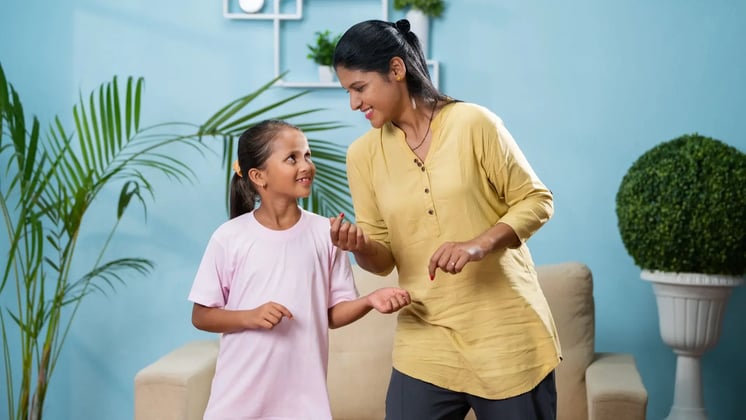
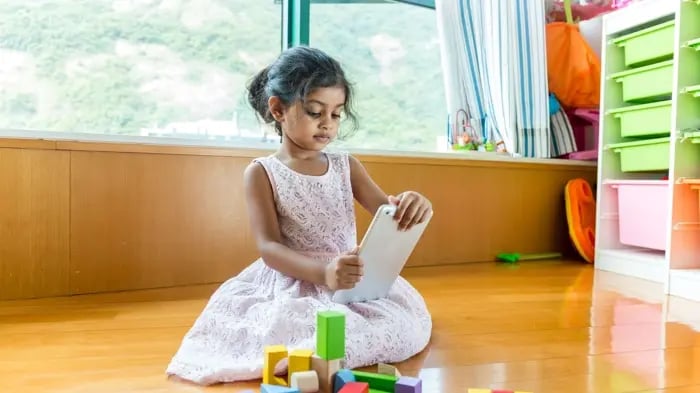
A child’s real development is only partly achieved in school. Structured school days often miss important gaps that enrichment activities fill. They spark curiosity, creativity, and skills that textbooks seldom teach. Enrichment activities for kids work well after school and on weekends. Some are academic, others are for social or creative skill development. Younger children will benefit from short, playful, hands-on enrichment sessions. Older kids are ready for more structured programs, like coding or debate. The selection of enrichment activities depends on the real interests of the child. Parents should not overschedule; balance is more important than variety. Fifteen ideas below, grouped by skill area and age. And everybody becomes competent—without undue academic pressure. A study finds participation in extracurricular activities in elementary school has small but real positive effects on academic ability that increase in later grades. This result, published in a peer-reviewed education study, explains why enrichment activities for kids have a place in weekly routines.
15 Enrichment Activities for Kids Beyond Classroom Learning
1. Coding Clubs
Introduce simple game-based platforms for teaching basic programming logic. Coding develops problem-solving skills as well as sequential and logical thinking patterns. There are many free platforms with lessons for beginners of all ages. This activity is great for children who like puzzles and structured challenges. Early exposure breeds comfort with technology, not just passive screen time.
2. Chess Classes
Chess cultivates skills like strategic thinking, patience and careful forward planning. Before making each decision, children learn to anticipate consequences. Beginners can find structured lessons at local clubs or online platforms. It is a nice activity for the thoughtful child who likes to focus on a problem. With regular practice, concentration and logical reasoning improve a lot over time.
3. Speech or Debate Clubs
These programs develop confidence in articulating ideas clearly and persuasively. kids learn how to organize thinking, how to respond to different points of view Debate also hones research skills and the ability to think in a structured, argumentative way. This activity is great for kids who like to talk and be competitive. The confidence built here often translates directly to classroom participation.
4. Garden Projects
Gardening teaches patience, responsibility, and basic skills of scientific observation. Kids get to know plant life cycles through direct, hands-on experience. This activity is great to do at home with very little special equipment. As time goes by, watching the seeds develop gives a real sense of accomplishment. It also teaches healthy eating habits from produce grown at home.
5. Drawing and Art Classes
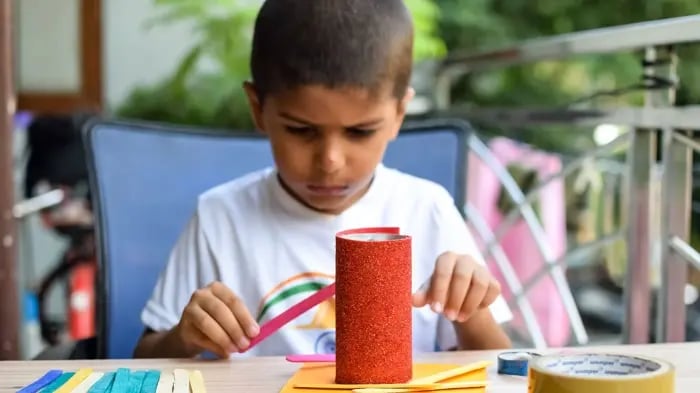
Art classes are structured to develop fine motor skills and creative confidence. Kids learn techniques that aren’t possible during a typical classroom art time. This is a great activity for kids who like to express themselves visually. Regular observation helps develop observation skills and attention to detail. Art is a healthy emotional outlet for children who are younger.
6. Music Class
Playing an instrument teaches discipline, memory, and coordination, all at once. Music reading is taught in structured lessons, and regular practice is instilled. This activity is good for patient kids willing to commit to regular sessions. Group lessons also develop social abilities through the making of music. Long-term engagement with music greatly facilitates the development of general cognitive skills.
7. Robotics Club
Robotics combines engineering and coding and hands-on building all in one activity. Guided challenges for kids to design, build, and troubleshoot small robots. It’s perfect for curious kids who like to tinker and solve problems in a hands-on way. Team-based robotics competitions also help build collaboration and communication skills. It's a compelling link between creativity and technical thinking.
8. Courses in Creative Writing
The workshops develop vocabulary, imagination, and structured storytelling skills. Kids find genres outside the required classroom writing assignments. This activity is for children who like to read and to make up stories. Sharing work aloud also builds confidence in creative self-expression. Writing regularly helps students to develop their ability to communicate in all subjects.
9. Swim Class
Swimming teaches coordination, discipline, and important safety skills for life. Formal lessons teach the right way to do things, not just for fun in the water. This activity is best for active children who enjoy physical challenges. Regular practice also improves cardiovascular fitness and body confidence. Water safety skills are for life.
10. Cooking/Baking Classes
Cooking classes that are structured teach skills in measurement, sequencing, and food safety. Kids learn practical life skills as well as real creative expression. This activity is perfect for kids who love food and simple science. Group classes build patience and the ability to follow multi-step directions. The cooking skills that are learned early often last into adulthood.
11. Nature and Hiking Clubs
Outdoor programs promote physical fitness and also true environmental awareness. Children learn to identify plants, insects, and local wildlife firsthand. Great for energetic kids who love the outdoors and adventure. Group hikes also develop stamina and basic navigation skills. “Time outside regularly helps mood, concentration, and general well-being.
12. Classes in Pottery or Sculpture
Working with clay develops motor skills and creative self-confidence. Kids learn about shaping, texturing, and basic 3D design concepts. This activity is great for tactile learners who enjoy hands-on creative work. Finished pieces allow for a quick sense of achievement. “Pottery is a wonderful creative outlet that’s relaxing and sensory-rich.
13. Photography Club
Photography is about observation, composition, and a basic understanding of the technical. Children learn to look at everyday surroundings from new creative angles. This is a good activity for kids who are curious and love to capture and share moments. Beginners can explore well with simple smartphone cameras. Photography too is a lesson in patience and visual detail.
14. Community Service/Volunteer Projects
Structured volunteering gives rise to empathy, responsibility, and real social awareness. Children learn the importance of giving back to their community. This activity is appropriate for children who are ready for age-appropriate, supervised responsibility. Participation in these activities also naturally develops teamwork and communication skills. Volunteering experiences from a young age often shape values that carry into adulthood.
15. Dance School
Structured dance builds coordination, rhythm, and physical confidence together. Kids learn discipline through consistent practice and choreographed routines. This is a fun activity for energetic kids who like music and movement. Group classes also develop social abilities by setting common performance goals. Dancing regularly not only keeps you fit, but gives you a chance to be truly creative.
Conclusion

Enrichment activities for kids develop skills classrooms rarely touch. Also, participating helps academic development a lot, as proved by the extracurricular research. Do things that interest you, not only things that are convenient. Balance is most important, so be sure to leave room for unstructured play as well.
Smriti is a content writer who creates clear, practical, and informative content backed by science and relevant data. With a strong understanding of structured writing, she breaks down complex topics into simple, actionable insights. Her work is focused on helping readers prepare, learn, and grow with confidence and clarity.
The views expressed are that of the expert alone.
Popular Topics