




 Parenting Guide


 Child Health & Growth


 Learning & Skills Development


 Food & Nutrition


 Bournvita






Introduction
Exam season can be stressful, and that stress can quickly permeate the entire house. Parents want to help, of course, but they often wonder how much. Good exam prep tips include support, not pressure or constant reminders. Maybe you’re unintentionally adding stress while really wanting your child to succeed. Exam preparation tips for students work best when parents guide gently from the sidelines. Some strategies are daily routines, and some are more emotional support. Younger kids need more structure and more hands-on than independent older secondary students. The right exam preparation tips depend on your child’s age and personality.
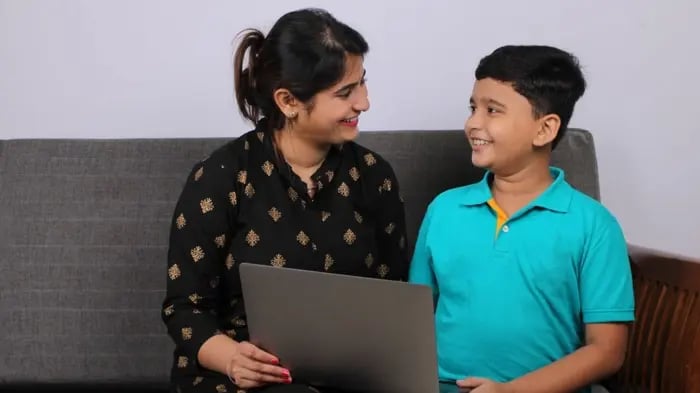
Parents can cultivate these habits but not be too controlling or invasive in the home. Here are twenty practical ways parents can help without taking over. The concepts are all about support that empowers your child, not pressure. A review of research on parental involvement concluded that homework support is linked to academic success only if it is perceived to be supportive and not controlling.
Published in a peer-reviewed review of studies of parental involvement, the finding demonstrates why tone is more important than mere involvement. Together, these findings confirm why thoughtful exam preparation tips for students should come primarily from calm, supportive parenting.
20 Exam Preparation Tips for Students to Study Better
1. Create a Quiet, Dedicated Study Space
Find a quiet place, away from the usual sounds of the house, away from the traffic outside. Proper lighting and a comfortable chair will help kids study longer and more focused, in fact. Keep this space so that studying is a regular, familiar part of your routine. Avoid placing this space near televisions or other obvious household distractions nearby. A special space sends a message to your child that studying is worthy of real, full attention.
2. Avoid Comparing Your Child to Siblings or Classmates
Comparisons don't lead to any real academic improvement or effort but tend to destroy confidence. Each child learns in his or her own unique and very natural way. Talk about your child’s progress, rather than others’ successes or grades. This gives kids intrinsic motivation, not anxiety from constantly comparing yourself to others. Encouragement is much better than measuring your child up to anyone else 100%.
3. Help Set Realistic, Achievable Study Goals Together
Work together to split larger syllabi into smaller weekly goals. Really involve your child in the procedure of how goals are set up. Aims too ambitious usually lead to discouragement and finally to total avoidance of study. Realistic goals generate real momentum and a steady sense of real accomplishment. Review and revise these goals as the test date approaches.
Ask other family members to be quiet during agreed study times. Turn off loud TV or music when your child is studying. Allow a quiet hour for everyone to respect the shared focus of the household. This shows your child that their study time is important in relation to the whole family. "Small, consistent tweaks add up to a real, noticeable difference over a number of weeks.
4. Limit Household Distractions During Scheduled Study Hours

If kids study for a long time without resting, they will be less able to concentrate and really remember the information. Suggest short breaks every thirty to forty-five minutes throughout the day. Breaks could be as simple as stretching, grabbing a quick snack, or stepping outside for a breath of fresh air. This keeps your child really alert on longer study days and prevents burnout. A good break often equals a better overall quality of the next study session.
5. Encourage Regular Breaks Instead of Marathon Study Sessions
Excessive time in front of the screen can slowly eat away at valuable study hours of concentrated study each day. Replace rules with gentle, mutually agreed boundaries and allow your child to decide when and how screens are used. This cooperative way cuts down on resentment but still provides some safety for truly important study time. Collaborative trust is better than close and constant parental surveillance.
6. Monitor Screen Time Without Being Overly Controlling
Eating balanced meals will help them maintain your energy and focus during long days of study. Have healthy snacks, such as fruit or nuts, on hand for study breaks. Avoid high-sugar snacks, as these tend to result in a crash in energy shortly afterwards. Regular mealtimes also provide natural, welcome breaks from continuous, intense studying. Good nutrition genuinely supports better memory and steadier focus during exam preparation.
7. Provide Nutritious Meals and Snacks During Exam Preparation
Children often absorb and mirror the emotional tone set by parents. Speak calmly about exams instead of expressing your own personal worry openly. When there is a relaxed atmosphere at home, children are generally less anxious in studying. Avoid raising your voice over missed study sessions or lower practice scores. Your own calm presence genuinely becomes a stabilizing force during stressful weeks.
8. Maintain a Calm Household Tone During Stressful Exam Weeks
It is better to ask simple open questions rather than asking them repeatedly to tell you in detail about their study. Ask what felt difficult today instead of demanding exact study hour counts. This requires honest dialogue, not defensive, guarded, or dismissive short answers. When you are truly interested, you develop a trust, which enables your child to be honest about what is bothering them. Trust matters more than tracking every single minute of study time.
9. Ask About Their Day Without Turning It Into Interrogation
You can ask about a child’s day in ways that build communication without turning the conversation into an interview. Instead of bombarding them with questions, parents can start with a simple observation, like how the child is feeling or something they did in their daily life. Open-ended prompts like “What was the best part of today?” encourage natural sharing. Instead of demanding answers, parents can talk about their day, so it becomes a two-way conversation. It is important to give them space if the child seems uninterested. Regular, relaxed conversation lets children feel heard and understood, and this makes it easier for them to share their experiences.
10. Respect Your Child's Preferred Study Times and Natural Rhythms
Some children learn best in the early morning, while others can concentrate better at night. Don’t make a rigid schedule and disregard your child’s natural energy level. Notice when they seem most alert and sincerely encourage studying during those times. Often, respecting these preferences increases efficiency and genuine cooperation at home. Flexibility here generally yields better results than one unflexible, universal schedule.
11. Avoid Adding Pressure Through Constant Reminders About Grades
Constant reminders about marks tend to make students more anxious than actually motivated. Your kid already knows the real importance of the exam. Don’t worry about that. Talk about effort, strategy, and progress rather than grades per se. This turns the question into something you can control, rather than the pressure of outcome-focused anxiety. Positive language builds confidence much better than constant grades and anxiety reminders.
12. Help Organize Study Materials, Textbooks, and Notes
Loose papers, textbooks, and worksheets should be placed in folders. An organized study space also results in less time wasted trying to find missing materials. This kind of help seems useful without entering directly into real study material. This kind of behind-the-scenes structural support is a big help for kids up to the organization, which removes the small frustrations that could otherwise quietly derail focused, productive study sessions.
13. Encourage Adequate Sleep Through Consistent Bedtime Routines
Even during particularly intense exam preparation periods and weeks, protect regular bedtimes. Sleep is good for your memory and thinking. We explain how, gently. Avoid late-night cramming that disrupts healthy, restorative sleep. A regular bedtime routine indicates to the body that it is time to start to relax. Children who are well rested will probably be better able to concentrate and will probably learn more in general.
14. Praise Effort and Consistency Rather Than Only Final Results
Don’t just acknowledge test scores at the end. Acknowledge daily effort, persistence, and consistency. It builds a real growth mindset that values process over results. Children praised for effort are more likely to persist in the face of real challenges. Along the way, praise. Don't wait for improvement in the results to celebrate the real reward of your consistent effort. In this way motivation is maintained through inevitable setbacks or disappointing practice scores.
15. Stay Available for Questions Without Hovering Constantly Nearby
Be there for your child when he really needs help. If you don’t have to, don’t sit next to them for every single study session. Hovering all the time—that feels like pressure, not really like support. Support that’s available. Pop in from time to time, but only when help is requested. It’s a happy medium that promotes independence, but there’s real support for the taking.
16. Support Extracurricular Breaks to Prevent Burnout
Allow for breaks for sports, hobbies, or time with close friends. In fact, total withdrawal from fun stuff tends to increase stress, not improve real focus. Planning downtime helps children return to their studies feeling fully rested and motivated. All the outside activities need not be cut off during the time of exam preparation. Some healthy fun outside the academic arena can really help with a sustained, healthier long-term focus.
17. Communicate With Teachers to Understand Specific Problem Areas
Hear honest, specific insight into your child’s challenges from teachers. This information better guides study efforts than general assumptions alone. Teachers often see things that aren’t apparent from homework or report cards. Use that knowledge to prod (not control!) your studies. We work with the teachers to ensure the support given at home corresponds to the true needs of the classroom.
18. Avoid Discussing Other Children's Academic Achievements at Home
Speaking of another child’s high marks rarely motivates your own child. This is often the cause of resentment, insecurity, or the silent feeling of actual inferiority. And keep the conversations strictly about the individual journey of your own child. Celebrate their individual progress without referencing anyone else's separate academic achievement. This protects self-esteem but still actually encourages slow individual academic development over time.
19. Create a Positive, Encouraging Environment Free From Harsh Criticism
Harsh criticism after a poor practice test rarely makes for better future real performance. Instead, calmly discuss what happened and search for solutions together. If their tone is supportive, children are more likely to keep trying, despite some real setbacks along the way. Instead, children fear harsh criticism and conceal their real problems. Encouragement is the kind of safety that makes honest, ongoing conversation possible.
20. Model Calm Behavior Since Children Mirror Parental Stress Levels
You often project your own visible exam stress straight on to your child. If you are genuinely worried about the results of your upcoming exam practice, calm responses. Children learn to cope primarily by watching parents cope with real pressure. Resilience is far better taught through patience and calm reassurance than through direct lecturing. Really, it’s your constant presence throughout the exam period that’s more important than any particular tip.
Conclusion

The best thing that parents can do to help students prepare for exams is to be calm, not controlling. Select a few ideas that will work for the unique dynamic and needs of your family. The more steady and calm your support, the more prepared your child will be for exams.
Smriti is a content writer who creates clear, practical, and informative content backed by science and relevant data. With a strong understanding of structured writing, she breaks down complex topics into simple, actionable insights. Her work is focused on helping readers prepare, learn, and grow with confidence and clarity.
The views expressed are that of the expert alone.
Popular Topics