




 Parenting Guide


 Child Health & Growth


 Learning & Skills Development


 Food & Nutrition


 Bournvita





Introduction
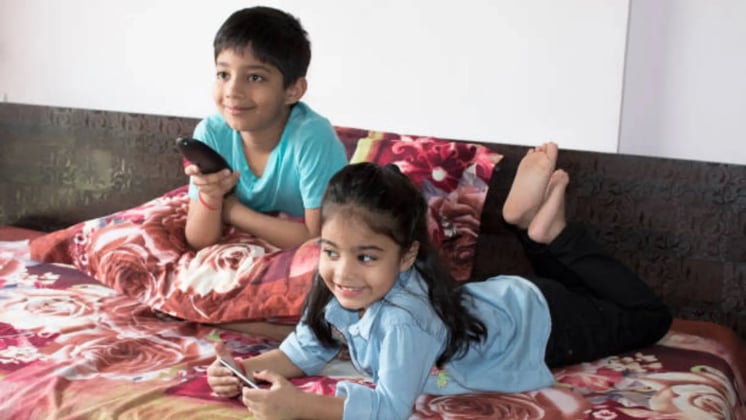
Digital devices have become a regular part of children's daily routines. From online classes and homework to games and entertainment, children may spend considerable time looking at phones, tablets, computers, and televisions. Long periods of uninterrupted screen use can contribute to temporary digital eye strain, which may include tired or dry eyes, headaches, and blurred vision. Regular screen breaks and simple eye exercises for kids can help children rest their eyes during periods of close-up work.
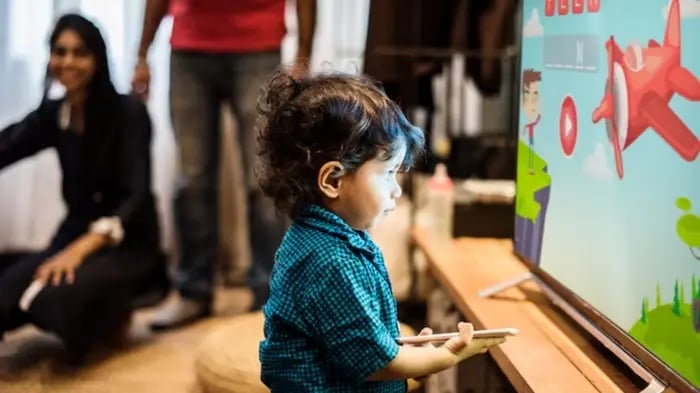
Parents can encourage children to develop healthy screen habits without making digital devices feel completely off-limits. One useful approach is the 20-20-20 rule: after every 20 minutes of screen use, look at something about 20 feet away for at least 20 seconds. Eye-care organizations recommend regular breaks as a practical way to reduce digital eye strain.
Simple activities such as looking into the distance, blinking consciously, and switching attention between near and far objects can be included in children's screen-break routines. These eye exercises for kids are intended as comfortable breaks rather than treatments for eyesight problems.
Along with trying eye exercises for kids, parents can encourage outdoor activities, appropriate viewing distances, comfortable lighting, and regular breaks from close-up tasks. If a child experiences persistent eye pain, headaches, blurred vision, double vision, or other concerning symptoms, an eye-care professional should be consulted rather than relying on exercises alone.
7 Easy Eye Exercises for Kids to Practice During Screen Breaks

Including eye exercises for kids in regular screen breaks can encourage children to look away from digital devices and rest from prolonged close-up focusing. These activities are simple enough to practice at home between online lessons, homework sessions, or recreational screen use. They should always feel comfortable and should never involve forceful eye movements. Parents can combine these exercises with regular outdoor play and sensible screen habits to create a more balanced routine.
Practice the 20-20-20 Rule
The 20-20-20 rule is one of the simplest habits for children who regularly use digital screens. After every 20 minutes of screen use, encourage children to look at an object approximately 20 feet away for at least 20 seconds. Looking through a window at a distant tree or building is an easy option. This short pause gives the eyes a break from continuously focusing at a close distance. Both the American Academy of Ophthalmology and American Optometric Association recommend the 20-20-20 approach as a strategy for reducing digital eye strain. Parents can set a gentle timer to help children remember when it is time for a break.
Try Conscious Blinking
Children may blink less frequently when concentrating on digital screens, which can contribute to dry or uncomfortable eyes. Encourage children to occasionally look away from the screen and blink normally and completely several times. This is one of the easiest eye exercises for kids to include between online activities because it requires no equipment or special preparation. Children should avoid squeezing or rubbing their eyes and simply blink naturally. The American Optometric Association notes that making a conscious effort to blink completely may help reduce symptoms associated with screen use.
Switch Between Near and Far Objects
For this activity, children can comfortably look at a nearby object and then shift their attention to something farther away. For example, they might look at a book on the table before looking at a tree outside the window. The purpose is to interrupt continuous close-up screen viewing rather than to improve or correct vision. Keep the activity brief and comfortable. Children should not strain their eyes or force themselves to focus if doing so causes discomfort. This activity can be included during regular study breaks to encourage children to spend a few moments looking away from nearby screens and books.
Take a Window-Watching Break

A window break is an easy way to turn time away from screens into a relaxing activity. Ask children to put the device aside and spend a few moments observing distant objects outside. They can identify trees, clouds, buildings, birds, or passing vehicles. This activity gives children a natural break from continuous near work while encouraging observation. It can be especially useful between online classes or long homework sessions. Parents can make window breaks part of the daily routine by placing them between scheduled digital activities rather than waiting until children complain that their eyes feel tired.
Close the Eyes for a Short Rest
After spending time looking at a screen, children can close their eyes comfortably for a brief period while sitting safely. This provides a simple pause from visual stimulation and creates a natural break between digital tasks. There is no need to press, rub, or cover the eyes tightly. The goal is simply to rest comfortably before returning to the next activity. This can be combined with slow breathing to make the break feel calm and relaxing. Among simple eye exercises for kids, this option works well when children need a quiet pause during homework or online learning.
Follow a Slow-Moving Object
Parents can hold a finger or another safe object at a comfortable distance and slowly move it from one side to another while children follow it with their eyes. Movements should remain gentle, slow, and within a comfortable range. Keep this activity brief and stop immediately if the child experiences dizziness, discomfort, pain, or double vision. This exercise can provide a playful change from staring at a stationary screen, but it should not be considered a treatment for vision or eye-movement problems. Any ongoing difficulty with focusing or tracking should be discussed with an eye-care professional.
Combine Eye Breaks With Screen-Free Movement
One of the most practical eye exercises for kids is simply stepping away from close-up screen activities. Encourage children to leave the device behind and spend their break walking around, stretching, playing outdoors, or completing another screen-free activity. Longer breaks provide an opportunity to rest from continuous near work while adding physical movement to the day. Regular outdoor time can also create a healthier balance between digital and non-digital activities. Instead of replacing one screen with another during breaks, encourage children to choose activities that allow them to move around and look at objects at different distances.
Conclusion
Regular eye exercises for kids and screen breaks can make digital routines more comfortable and balanced. Encourage children to look away from screens, blink naturally, spend time outdoors, and follow the 20-20-20 rule. Persistent eye discomfort or vision changes should always be discussed with an eye-care professional.
Frequently Asked Questions
What are the best eye exercises for kids during screen time?

Simple eye exercises for kids include following the 20-20-20 rule, blinking consciously, looking at distant objects, and taking regular screen-free breaks.
Can eye exercises prevent eyesight problems in children?
Eye exercises should not be expected to prevent or correct refractive errors such as nearsightedness. They can provide breaks from prolonged screen viewing, while persistent vision concerns require professional eye care.
What is the 20-20-20 rule for children's eyes?
The rule encourages children to look at something about 20 feet away for at least 20 seconds after every 20 minutes of screen use, helping provide regular breaks from close-up focusing.
Her love for storytelling began with reading her grandfather’s speeches, where Tarishi saw the power of words in creating lasting memories. Combining her passions for food and writing, she has turned her life into a fulfilling path of sharing stories that celebrate flavours and how food brings communities together.
The views expressed are that of the expert alone.
Popular Topics