




 Parenting Guide


 Child Health & Growth


 Learning & Skills Development


 Food & Nutrition


 Bournvita





Introduction
Breakfast options can influence how a child feels and behaves throughout the day. Oats for kids is one of the easiest ways to start mornings right. This humble grain provides fiber, protein, and steady energy in one bowl. Many parents avoid oats for children because they believe they are too bland or boring. In fact, oats are easy to adapt to almost any flavor or mix-in.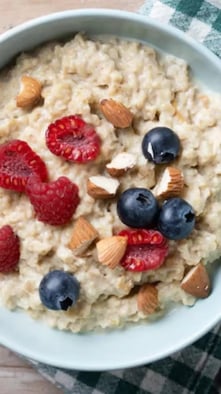
Sweet, savory, warm, or cold, oats fit almost any family preference. Choosing oats for kids regularly helps with digestion, heart health, and steady blood sugar levels. The following article covers 8 specific health benefits of oats you should know about for your kids. It also gives simple, practical ideas for adding oats to everyday meals.
8 Health Benefits of Oats for Kids and Simple Ways to Incorporate Them in Meals
1. Promotes Healthy Digestion
Oats are a source of soluble fiber that helps promote regular, healthy digestion in children. This fiber also feeds beneficial gut bacteria that support overall immune health. According toNIH, oats are a great fiber boost to smoothies that kids won’t even notice. Fruited overnight oats make a quick breakfast for busy mornings. Eating regular oats can really help to reduce common gut complaints for many children.
2. Provides You with Enduring Energy
Oats provide a slow release of energy, which helps keep children focused during hectic school mornings. This gradual release avoids the energy crashes associated with sugary breakfast cereals. Combine oats with nut butter for an even longer-lasting energy boost. A hot bowl of muesli before school helps keep concentration during the morning classes. This makes oats for kids especially useful on busy school days.
3. Promotes Early Heart Health
Oats contain beta-glucan, a fiber that has been shown to help maintain healthy cholesterol levels. Adopting healthy heart habits at an early age contributes to better cardiovascular health in adulthood. Oatmeal is a heart-healthy ingredient that can be added to homemade granola bars. Oat pancakes are a fun, heart-healthy twist on a weekend breakfast favorite. Small, daily habits like this really do add up over many years.
4. High in Essential Vitamins and Minerals
Oats are high in iron, magnesium, zinc, and B vitamins, which are important for growing children. These nutrients are important for energy production, immune function, and healthy cognitive development. Combine oats with dried fruit to give kids an extra iron boost. A simple oat porridge is still an easy way to get these nutrients daily. Regular intake helps to compensate for typical nutritional deficiencies in the diets of many children.
5. Aids in Healthy Weight Management
This is in line with the NHANES study, which reported that eating muesli is associated with a lower risk of obesity. The fiber in oats helps children stay full for longer periods. This can naturally curb later oversnacking on less nutritious options. Baked muesli cups offer a portion-controlled and filling breakfast choice for kids. Establishing healthy weight habits early in life can lead to habits that carry over well into adulthood.
6. Easy on Sensitive Stomachs

Plain oats are naturally kind to the stomach, so they are good for little tummies. This makes oats a good choice when recovering from a mild stomach upset. A bowl of muesli and banana is a good, gentle way to feed kids during these times of recovery. Oats are naturally gluten-free, but be aware of cross-contact. This makes for a truly safe, versatile choice, especially for kids with sensitivities.
7. Versatile for Any Meal, Not Just Breakfast
Oats are good for more than just breakfast, adding texture to meatballs or veggie patties. Ground oats work well as a simple swap for breadcrumbs in many family recipes. This flexibility gives parents the ability to sneak extra fiber into meals throughout the day. Oat flour also works well in homemade muffin or pancake batter. This flexibility makes oats for kids easy to use creatively and frequently.
8. Simple to Customize for Picky Eaters
Oats are good at taking on flavors, so they are versatile for even the pickiest of young eaters. Check out savory oats with cheese or sweet oats with berries and cinnamon. Allowing children to choose their own toppings increases their willingness to eat oats. This customization makes muesli a fun, interactive breakfast experience on a regular basis. That’s the kind of flexibility that makes oats for kids truly sustainable as a habit to stick with.
What to Remember
- If your child has never eaten oats before, introduce them slowly. Starting with flavors you know, like banana or honey, makes the transition easy. Forcing new foods too quickly can cause unnecessary resistance in young children.
- If your child has celiac disease or sensitivity, check for gluten cross-contamination. Many oats are processed in the same plants that process wheat products. If this is a real concern, look specifically for certified gluten-free oats.
- Balance oats with other whole grains rather than relying on them alone. The nutrient profile of whole grains is more diverse. Change from oats to quinoa and whole wheat for balanced nutrition.
- Involve children in preparing oats to foster a genuine interest in eating oats. Let kids choose toppings or stir the pot. It builds ownership and excitement. This minimal involvement makes picky eaters more likely to try servings.
Conclusion

Oats for kids provide a simple, healthy start to busy family mornings. The NIH research found that eating oats regularly supports the body and brain. Keep it simple and let the kids personalize their own bowl. This small daily habit builds healthy eating habits for the long term.
Frequently Asked Questions
At what age can I start giving oats for kids?

Oats can typically be introduced around six months as a pureed cereal, and as whole oatmeal once a child begins eating textured solid foods.
Are oats for kids safe for children with gluten sensitivity?
Plain oats are naturally gluten-free, but cross-contamination is common during processing. Choose certified gluten-free oats for children with celiac disease or genuine sensitivity.
How much oatmeal should a child eat daily?
There's no strict rule, but a small bowl a few times weekly fits well within a balanced diet alongside fruits, vegetables, and other whole grains.
Smriti is a content writer who creates clear, practical, and informative content backed by science and relevant data. With a strong understanding of structured writing, she breaks down complex topics into simple, actionable insights. Her work is focused on helping readers prepare, learn, and grow with confidence and clarity.
The views expressed are that of the expert alone.
Popular Topics