




 Parenting Guide


 Child Health & Growth


 Learning & Skills Development


 Food & Nutrition


 Bournvita






Introduction
Storytelling is a creative medium to narrate different incidents for education, teaching, and even entertainment. It can relate to a certain historical or religious event and can also be fabricated. Generally, story narration is characterized by a bit enhanced and dramatized form of depiction of events. Story writing on the other hand involves translating one's thoughts and imaginative plot into a properly structured story on a piece of paper.
Children can benefit massively from storytelling. Generally, narrating a bedtime story to your child may not only strengthen your relationship with your kid but also generate their curiosity levels. It can initiate interest in reading and writing and foster creative talents. Encouraging your child to participate in different story writing, and telling competitions pushes them to improve their craft and learn from others.
Benefits of Storytelling and Writing Competitions for Kids
Storytelling and writing competitions offer transformative developmental benefits. They build creativity, vocabulary, confidence, and moral awareness simultaneously. India's competitive academic environment makes these skills especially valuable. Each benefit below is backed by research or a real-world example.
1. Sparks Creativity and Original Thinking
Writing contests encourage creativity and the development of original and independent thinking. Studies show that organized creative activities build divergent thinking skills. This is the ability to generate several answers to a problem. CBSE Storytelling Competition 2025-26: Students shared subject stories This made them use their knowledge of curriculum and their imagination to express themselves. One of the most valuable academic and life skills you can have is divergent thinking. Writing competitions develop it in a safe and structured environment.
2. Teaches Moral Values and Empathy Through Story Characters

Writing competitions teach moral values through character-driven narrative experiences. Self- directed values education is a protagonist in an ethical dilemma. They write about honesty, kindness and bravery, and practice making decisions about them. This is much stronger than externally imposed values. Story writing is a natural and memorable way to reinforce positive values. Note the typo fix: “reinforcing positive leaves” corrected to “reinforcing positive values.” Empathy grows deeper when they step into characters unlike themselves.
3. Builds Quick Thinking and Mental Agility
Writing contests develop quick thinking and mental agility. In oral storytelling, the story is usually designed to last less than two minutes. This safe environment of pressure to perform trains fast thought organisation. They learn to communicate clearly under real time pressure. This skill translates directly into class presentations and debates. Good speaking and quick thinking are highly valued. Writing competitions are a consistently fun way to build up this capability.
4. Develops a Healthy Competitive Spirit and Sportsmanship
Writing competitions foster a healthy spirit of competition and true sportsmanship. They learn to recognise excellence in other forms, by hearing other stories. They find that many ways of expression can be all great. It's a rare and valuable perspective, and it's hard to teach it in any other way. Learning to lose gracefully is a life skill of immeasurable worth. Note the heading grammar fix, “Develops” instead of the previous wrong “Grows”. In competition you learn as much from losing as you do from winning.
5. Develops a Lifelong Love of Reading and Writing

Writing competitions are a catalyst for a love of reading and writing for life. Many begin their own personal journals or stories at home without being asked. The internal motivation to write supports strong academic performance in English and Hindi. Winning stories are published publicly in BhashaLab and IWP Junior contests. This gives them extra motivation beyond the competition result itself. Having their work published is a powerful and long lasting confidence builder. The love of the word, once ignited, is rarely extinguished.
6. Strengthens Vocabulary, Grammar, and Language Skills
Writing competitions develop vocabulary, grammar and general language skills directly. Writing stories is the conscious choice of words for greatest effect. No worksheet can match this level of intentional vocabulary work. The criteria used to judge a competition usually include an assessment of grammar and language flow. This provides them with a clear and motivating reason to write accurately. The SAIL Story Writing Competition 2025 will be judged on grammar, flow and creativity. Reading other entries also exposes them to different styles organically.
7. Builds Public Speaking and Oral Communication Confidence
Writing competitions foster genuine confidence in public speaking and oral communication. Speaking in front of judges and peers hones eye contact, voice, and pace. These skills will directly translate to presentations and debates in the classroom. This prepares them to give recorded presentations for academic and professional settings. Repeated participation builds comfort on stage that classrooms rarely create on their own. The confidence they gain in competition carries over into every aspect of their lives.
How to Prepare Your Child for Storytelling and Writing Competitions: A Step-by-Step Guide
Preparing them for writing competitions is a gradual, enjoyable process. Step 1: Daily bedtime story reading from age three onwards. Step 2: Encourage verbal retelling of stories they have heard. Step 3: Introduce picture-based story prompts for home practice. Step 4: Try informal storytelling games — story dice and chain stories work well. Step 5: Enter a low-stakes school-level competition as a first step. Step 6: Progress to national competitions like CBSE Storytelling or IWP Junior. Each step builds confidence without creating pressure or anxiety.
Conclusion
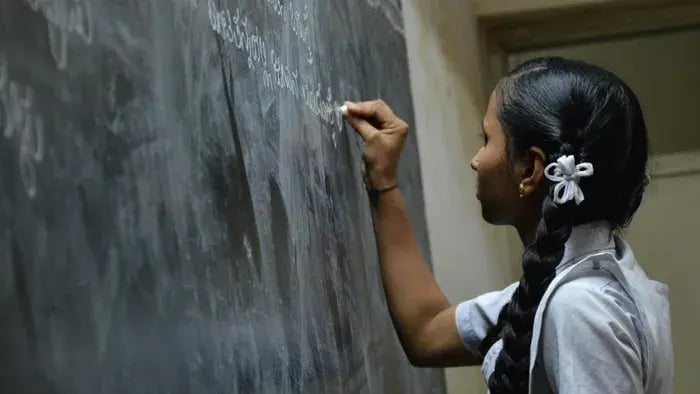
Storytelling and story writing in general are both fun and great ways to learn something new while also having a blast. Children are likely to remember all these learnings through stories throughout their lives. So, parents must try to make the best of this opportunity and encourage their children to participate in as many competitions as possible.
Frequently Asked Questions
Why should kids participate in storytelling and writing competitions?

Writing competitions help build creativity, vocabulary, empathy and skills in public speaking. They gain resilience, sportsmanship and a real love of language. These benefits extend far beyond the competition itself and into academic life.
What are the best story writing competitions for kids in India in 2026?
CBSE Storytelling Competition, BhashaLab, IWP Junior and SAIL Story Writing Competition are good options. They are geared to different ages and levels. Begin by competing at the school level to build confidence for the national level.
How does storytelling help a child's overall development?
Storytelling develops language, emotional intelligence, moral reasoning, quick thinking. Writing contests give you structure, motivation, and real interaction with an audience. Together they greatly speed up cognitive and social development.
How do I prepare my child for a story writing competition?
Begin with reading and oral re-telling of stories daily from infancy. Introduce picture prompts, story dice and informal storytelling games at home. Start with school level writing competitions and then go for national competitions.
Smriti is a content writer who creates clear, practical, and informative content backed by science and relevant data. With a strong understanding of structured writing, she breaks down complex topics into simple, actionable insights. Her work is focused on helping readers prepare, learn, and grow with confidence and clarity.
The views expressed are that of the expert alone.
Popular Topics