



 Parenting Guide


 Child Health & Growth


 Learning & Skills Development


 Food & Nutrition


 Bournvita





Introduction
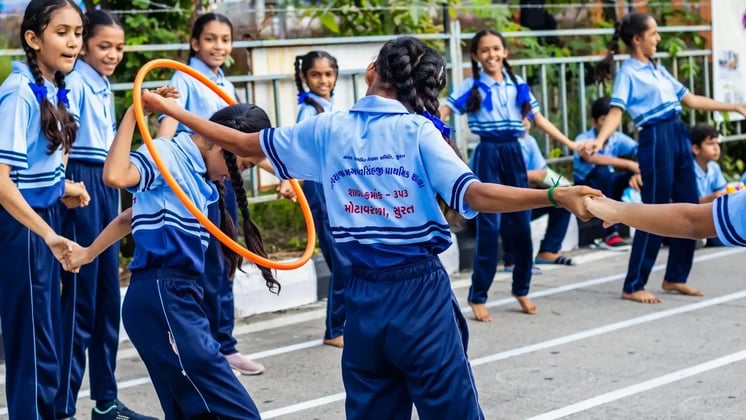
Group games offer children much more than just fun. Cooperation is key to developing communication, empathy, and confidence. Many parents seek ways to improve social skills outside the classroom. This kind of growth can naturally happen in a low-pressure team environment. It works well across settings and age groups alike. These activities are suitable for homes, schools, and outdoor areas.
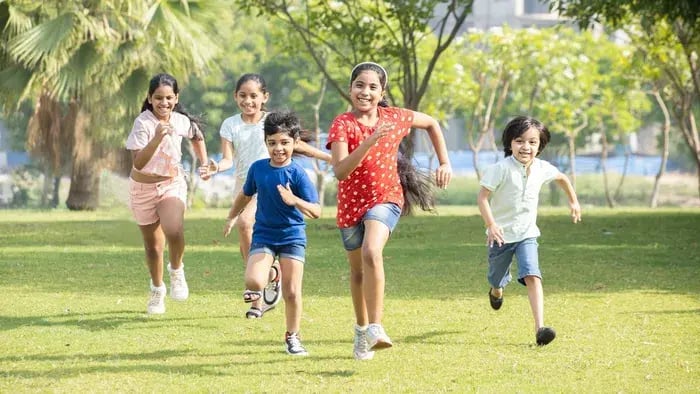
Here is an article about 6 tried and tested group games that your kids will love. Every game encourages cooperation, strategy, and trust with friends. They need very little equipment and work well with any size of group. The benefits of group play extend well beyond childhood. Children take these social skills with them to school and later in life. Here’s why these games are important and how to play them. These ideas can be used by parents at home, at school, or at celebrations.
The importance of team games for children's development
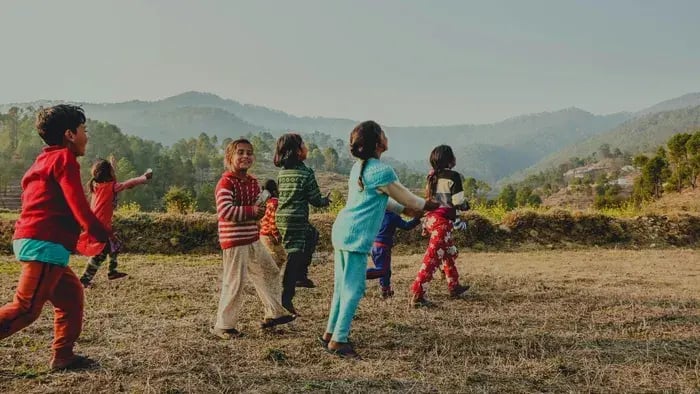
Working in games helps to develop communication, empathy, and confidence through interaction with peers. Kids learn to listen actively and negotiate roles fairly. They also learn to celebrate shared success rather than individual success. These skills are easily transferred to group work and friendships in the classroom. They also encourage future workplace collaboration later on in life. Teamwork games are good for all ages and all settings. This is a great play for homes, schools, playgrounds, and birthday parties. Group activities also teach children how to deal with disagreement constructively. Of course, games have rules and turns and sometimes setbacks to work through. This teaches patience and fair play in a low-risk environment. The next six games are designed to teach specific social skills. The format of each game is simple and easy to understand. They can be rolled out by parents and teachers with minimal setup.
Why Teamwork Games Matter for Your Child's Development
Relay Race
Teams split into smaller groups and do the checkpoints in order. Each runner passes a task or baton to the next teammate. “It’s not just about speed; it’s more about positioning. Grouping team members by strength is a great way to improve team performance. Each round, the kids work on coordination and communication.
Blindfolded Ball Toss
The children pair up, one blindfolded, one giving verbal directions. The blindfolded child shoots a ball at a hula hoop or basket. Creative code words are a fun communication challenge. It’s a fun way to build trust between partners. It also enhances the skills for verbal guidance and careful listening.
Marco Polo
This classic tag game is played with two teams. One team called Marco is still chained up in one. The other team, called Polo, operates freely within defined boundaries. Players can tag opponents out within the boundary limits. It is a two-pronged activity that aids active listening and group strategy.
Mingle Groups
During this game a designated leader calls out a number. Kids have to quickly form groups of exactly that number. Variations add challenge and keep the game fresh. Leaders can ask kids to group by color of clothing instead. Another fun variation to try is grouping by month of birth.
Unpretzel (Human Knot)
This game is played in a circle with 6 to 10 children. They grasp hands haphazardly, making a human knot of tangles. Then the group works together to untangle without letting go. Adult supervision helps the younger kids through initial frustration. It builds patience and problem-solving skills under mild duress.
Fingertip Hula Hoop
Teams balance a hula hoop on their outstretched index finger. Then the group slowly lowers it down toward the ground together. The challenge is surprisingly difficult because of a strict no-gripping rule. All fingers should remain in contact throughout the whole process. The game develops balance and very coordinated group pacing.
How Group Play Shapes Children Into Confident Team Players
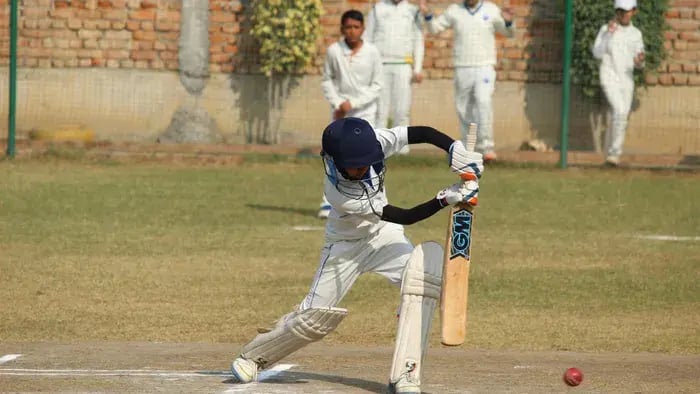
Regular play in groups helps to build empathy, respect, and communication skills. These benefits last through school and into adult life. Encouraging parents to make group play a weekly habit increases outcomes. Children gain social confidence from consistent play in simple games.
Conclusion: Teamwork games for kids
Regular teamwork games for kids do more than just keep the kids entertained—they help to build confidence, communication, empathy, and problem-solving skills through shared experiences. Children who learn to listen to, support, and work with each other form stronger friendships and become more comfortable socially. Incorporating group play into their routine affords them opportunities for lifelong learning and personal development. That’s how resilient, respectful, and confident team players are developed in school and out of school.
Frequently Asked Questions
At what age can children start playing team-based games?

The team games have been mostly okay for about four years. Simpler versions can be adapted for younger children with adult guidance.
How do group games help children develop social skills?
Group games build communication, trust, and cooperation through shared goals. Children also learn to work together with rules, turns, and friendly competition.
Smriti is a content writer who creates clear, practical, and informative content backed by science and relevant data. With a strong understanding of structured writing, she breaks down complex topics into simple, actionable insights. Her work is focused on helping readers prepare, learn, and grow with confidence and clarity.
The views expressed are that of the expert alone.
Popular Topics