




 Parenting Guide


 Child Health & Growth


 Learning & Skills Development


 Food & Nutrition


 Bournvita





Introduction
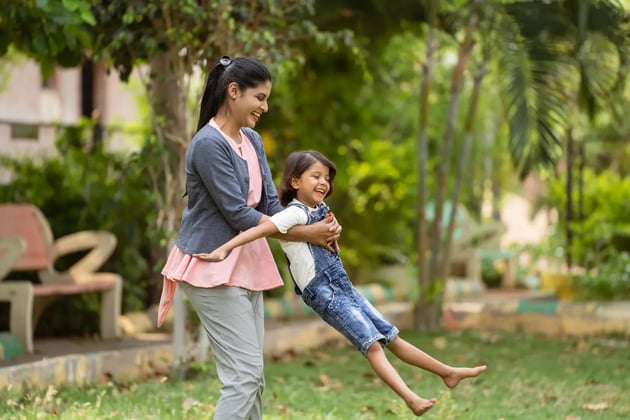
Parents’ impact on children’s lifestyles manifests itself clearly in daily fitness routines. Children tend to mirror movement patterns that are modeled in their homes. If a parent is active, then the child will grow up believing it’s normal to move. By the same logic, a sedentary household often turns out sedentary children. This pattern is reinforced by simple home workouts, active family play and home cooked meals. Traditional dance forms such as Garba, Bhangra or Kathak are a mix of culture and actual exercise. A walk to a nearby temple or mosque provides your day with a meaningful movement that doesn’t feel like exercise. Normal routines naturally add activity to housework such as sweeping or gardening. None of these habits include signing up for a gym or purchasing fancy equipment. Little choices, made with regularity and repeated day after day, build a child’s relationship with movement. Many of these tools are already integral to the daily life of Indian families.
Set a Healthy Example Through Regular Exercise
Children see if exercise is part of parents’ everyday lives. This kind of modeling is often more useful than direct teaching or reminders. One can easily do yoga, skipping, and simple bodyweight exercises in most Indian homes. Morning walks around the neighborhood are also a meaningful daily movement. You don’t have to be a fitness expert to model this behavior as a parent. Consistency is far better than intensity in setting this example. Kids tend to imitate the movement they see in the home. With just fifteen minutes a day, you are able to establish a sustainable, lasting habit.
Promote Active Play Over Screen Time
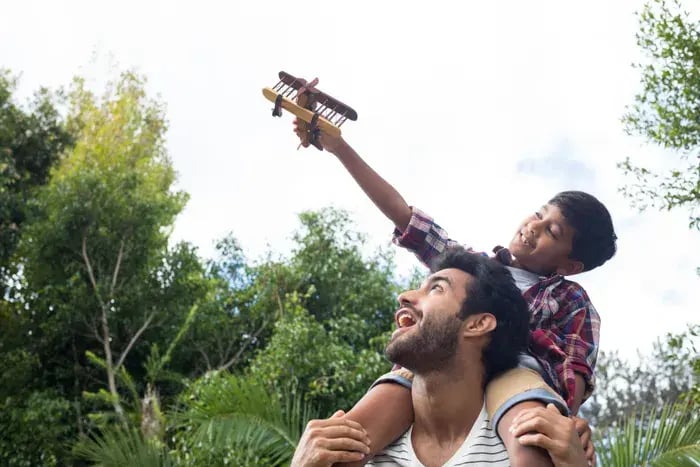
The physical and social development benefits for children from active play are real. Screen-time limits make room for movement. Most families will find a range of outdoor games, from cricket to tag or badminton. Cycling, hopscotch, and other simple activities don’t require much equipment or planning. Encourage outdoor play after school to develop a natural habit of movement every day. Parents can participate in these activities to make them more attractive.
Get Involved in Your Child's Sporting Activities
When parents get involved in sports, their children are significantly more motivated. It could be swimming lessons or badminton practice or weekend cricket matches. Coming to practices or games really supports a child’s effort. This involvement gives children the feeling that they are valued for more than their sporting performance. Children with engaged parents tend to stick with sports longer on the whole. This regular participation develops fitness and important social confidence. Regular attendance also gives natural opportunities for family discussion. The association creates sport as a more fun and appreciated family activity.
Prioritize Home-Cooked, Nutritious Meals
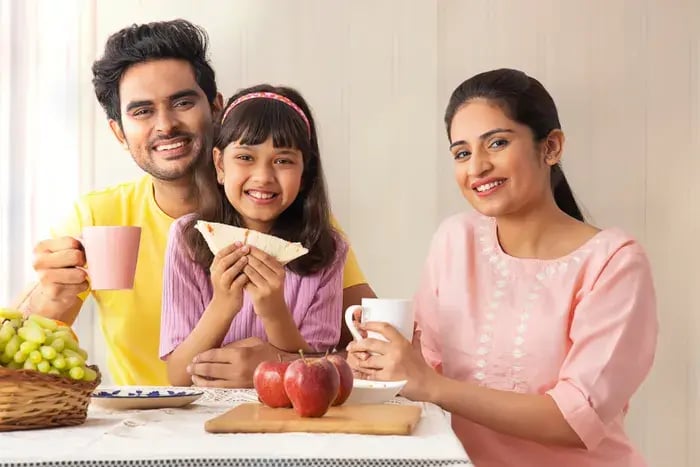
Parents can have direct control of the ingredients, portion sizes, and overall nutritional balance. Involving children in meal preparation develops real interest in healthy eating. Simple and familiar food is effective; there is no need for fancy cooking skills. Eat balanced plates of grains, protein, and vegetables for sustained energy all day. This nutritional base directly gives levels of physical activity of a child. Well-fed children are more likely to be fully engaged in active play. Eating home-cooked meals regularly also provides a model for healthy eating over time. This modeling often is more important than occasional strict dietary rules. Small, consistent, healthy food choices add up over time to a long-term healthy eating pattern overall.
Make Fitness a Family Bonding Activity
So instead of thinking of fitness as a chore, think of it as spending time together as a family, which makes it more fun. Traditional dance forms like Garba, Bhangra, or Kathak are a combination of movement and culture. Such activities are real exercise in fun disguise, celebration, and family fun. Weekend hikes or bike rides build fitness through shared experience as well. Fitness is fun and social, and kids are more likely to get involved. This takes the pressure off formal structured exercise. Family fitness activities to make positive lasting childhood memories together.
Build Fitness Into Daily Routine and Discipline
It is easy to add a little activity to your daily routine. A meaningful movement for your day is walking to a nearby temple or mosque. Opting for stairs instead of elevators injects some activity into routine daily activities. Such small gains are compounded to produce significant fitness benefits over time. Movement is movement. By adding movement to your routine, you don’t have to schedule a specific time for exercise. This works great for busy families who don’t have much free time scheduled. This way children learn that being fit is part of everyday life. This makes movement a regular part of the daily discipline. Discipline thus set up is apt to persist into the adult years.
Teach the Connection Between Mental and Physical Wellness
Physical activity directly impacts emotional regulation and mental well-being. Simple yoga practices develop flexibility and calm focus in children. Mindfulness exercises and movement teach children how to cope with stress. This combination helps children to understand the working of mind and body together. Teaching this link early helps promote healthier coping habits down the line. Parents can model this by practicing yoga or mindfulness as well. Parents’ involvement helps children pick up these habits. This common practice also generates calm, connected family moments together. This foundation is for children, not just physically.
Encourage Physical Activity in Everyday Life
You give age-appropriate tasks and work movement naturally into a child’s day. Festival preparations often include physical movement, for example. These daily activities help children to understand that activity is more than formal exercise. Gardening in particular combines movement, patience, and nature-based learning. Children usually enjoy these tasks more when they are presented as helpful contributions. By this means you create responsibility and benefit from real physical activity. Doing these things from time to time reinforces the notion that movement is normal and expected. This foundation builds lifelong habits of being naturally and consistently active. Every little thing every day adds up to actual physical activity.
Conclusion
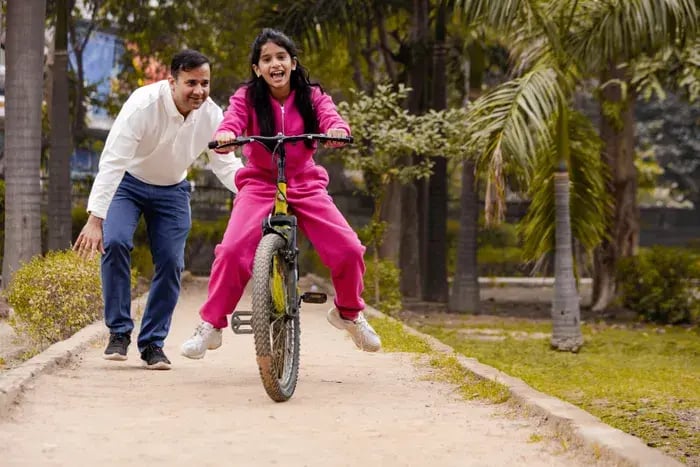
Parents can most influence fitness habits by modeling those habits consistently in their everyday behavior. The combination of movement, nutrition, and family activity all reinforces healthy habits. What matters more than the big, erratic efforts are the little, consistent decisions. And the first step to a child’s lifetime of wellness is to model an active lifestyle today.
Frequently Asked Questions
What are simple ways Indian parents can encourage fitness without formal gym routines?

Good options include home workouts, active play, and traditional dance. And then there’s the everyday movement, like doing household chores and walking around the neighborhood.
How does screen time affect a child's fitness levels?
More screen time means less time for active play and movement. Instead, it opens a clear space for physical activity for the child.
Can family activities like dancing or trekking count as exercise for kids?
Yes, children can exercise through family activities such as dancing or trekking. These are good for the heart and good for the muscles. They also make fitness look fun, not a chore.
Smriti is a content writer who creates clear, practical, and informative content backed by science and relevant data. With a strong understanding of structured writing, she breaks down complex topics into simple, actionable insights. Her work is focused on helping readers prepare, learn, and grow with confidence and clarity.
The views expressed are that of the expert alone.
Popular Topics