




 Parenting Guide


 Child Health & Growth


 Learning & Skills Development


 Food & Nutrition


 Bournvita






Introduction
Brain gym exercises for kids are simple activities that are a mix of movement, memory, observation, and thinking to support cognitive skills. These activities can help children practise concentration, memory, coordination, and problem-solving in an engaging way. They are also the best alternative when kids spend a lot of time on digital games and screens. Parents can introduce these activities at home with simple materials and age-appropriate supervision.
The activities can range from indulging in specific movement exercises or focusing on neurological activities to enhance the coordination of the brain with the body. In some cases, they may also have a positive impact on a child's ability to deal with stress and avoid volatile temperament. Parents can incorporate brain gym exercises at home under their supervision to enhance a child's problem-solving skills and work on their attentiveness.
6 Brain Gym Exercises for Kids to Improve Cognitive Skills
These brain gym activities for kids use simple games to encourage memory, attention, observation, and body awareness.
What Did You Miss?
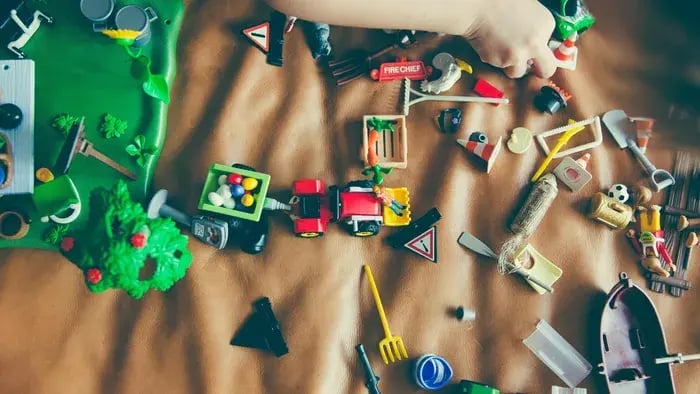
This memory game works well for preschoolers and requires only a few everyday objects. Ask three or four children to sit in a circle and place four or five objects in the centre. After the children memorise them, ask them to close their eyes while one child swaps an object. Once they open their eyes, they can guess what has changed. This activity encourages observation and memory.
Expression Copy Game

This activity is suitable for toddlers and preschoolers who are learning to recognise different emotions. Make facial expressions such as happiness, sadness, surprise, or anger and ask the child to copy them. Explain what each expression means and how the person might be feeling. As the child becomes familiar with basic emotions, introduce similar expressions to make the game more challenging.
Number Chain
Number Chain is a simple memory game that can be played in a group. One child starts by saying a number, and the next child repeats it before adding another number. For example, if the first child says 1, the next might say 1 and 4, and the third repeats both before adding another number. The sequence continues, encouraging children to remember information and stay focused.
My Buddy Is Missing
Ask children to stand in a circle and observe where everyone is standing. After they close their eyes, a parent or teacher quietly asks one child to step away. When everyone opens their eyes, they have to identify who is missing. This game encourages alertness, observation, and concentration while keeping children actively involved.
Animal Walk
Animal Walk is a combination of movement and learning. Choose an animal and encourage the child to copy the way it moves. A child might crawl like a bear, hop like a rabbit, or walk like a duck. The activity helps children become more aware of their bodies while learning about animal movements, body parts, and coordination.
Magic Time
Turn a simple guessing game into a playful magic trick. Place several objects on a table and cover them with a cloth. Secretly remove one object while the children are not looking, then use a fun phrase such as “abracadabra” before asking them what has disappeared. This activity encourages observation, memory, and attention while making learning feel like play.
Age-Appropriate Tips for Brain Gym Activities
Brain gym activities for kids can be adapted according to age and ability. You can use these games for kids according to their ages.
- Toddlers: Start with simple activities such as Expression Copy Game and basic animal movements. Keep sessions short and focus on enjoyment rather than correct answers.
- Preschoolers: What Did You Miss?, My Buddy Is Missing, and simple Number Chain games can encourage memory and observation.
- School-age children: Make Number Chain longer, add more objects to memory games, or introduce more complicated movement patterns.
- Older children: Increase the difficulty by adding time limits, longer sequences, or multiple instructions to the same activity.
Parents can also let children choose the activity they enjoy most. Keeping these games playful can help children stay interested without making them feel like they are completing another school task.
Conclusion

Brain gym exercises for kids can turn everyday play into opportunities to practise memory, concentration, observation, coordination, and problem-solving. These brain gym activities for kids do not require expensive equipment and can easily become part of a child's playtime routine. With activities suited to their age and interests, children can learn new skills while having fun.
Frequently Asked Questions
At what age can kids start doing brain gym exercises?

Children can start with simple brain gym activities from the toddler and preschool years. Activities such as copying facial expressions, basic animal movements, and simple memory games can be adapted to suit their abilities. The activities should remain playful and age-appropriate.
Can brain gym exercises help kids who struggle with focus in school?
Brain gym exercises can give children opportunities to practise attention, memory, and observation through play. However, they should not be considered a treatment for ongoing concentration difficulties. If a child consistently struggles with focus at school or at home, parents can discuss their concerns with a teacher or qualified professional.
Do these games require any special equipment or props?
Most brain gym activities for kids require little or no special equipment. Everyday objects, paper, numbers, or simply movement can be enough. Games such as What Did You Miss? and Magic Time can be played using safe household objects under adult supervision.
The views expressed are that of the expert alone.
Popular Topics