




 Parenting Guide


 Child Health & Growth


 Learning & Skills Development


 Food & Nutrition


 Bournvita





Introduction
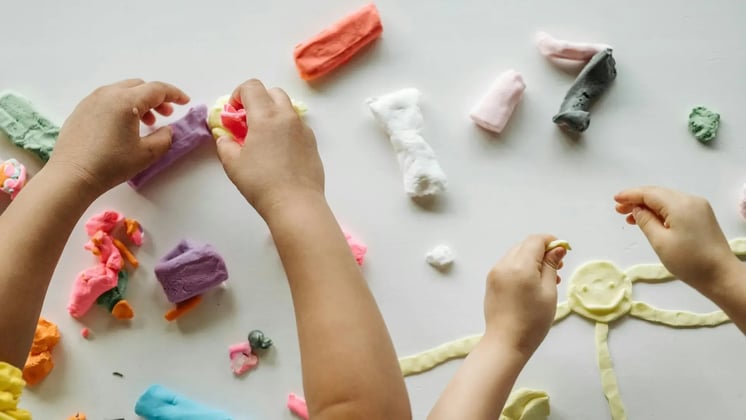
Clay activities for kids are an easy, hands-on way to develop fine motor skills. Repeated, purposeful movement in shaping, rolling, and pinching clay work builds finger muscles. This activity also develops creativity, concentration, patience, and physical coordination and control. In this article, it is explained what motor skills really are and why playing with clay helps to develop them. It then describes eight creative ideas for clay moulding that would suit different ages and interests.
Tips for each age help parents ensure they are choosing safe materials and supervising properly at each stage. The final section explores benefits beyond motor skills such as sensory regulation and emotional expression. None of these activities requires expensive materials or advanced artistic skills from a parent. All you need is some basic clay, a flat surface, and some time. This article provides fun, practical ways for families to begin regular creative play. Screen-free clay activities can be a favorite part of a child’s week.
What Are Motor Skills and Why Does Clay Play Help?
Motor skills are a child’s ability to make small, fine movements with his or her hands. Fine motor skills are the smooth coordination of the fingers, hands and wrists functioning together. These skills can be used in everyday activities such as writing, buttoning and using utensils. Playing with clay helps develop the small muscles needed for grip and hand control. Rolling and pinching clay develop real grip strength, working and resisting all the time. Detailed shaping of forms also helps develop hand-eye coordination and accurate finger control. Kids pick these up in play, naturally, without it being in any sense a lesson. This makes clay a very effective motor skill development tool in low pressure . With regular practice you will see a marked improvement in dexterity within a few weeks. These often lead directly to improved handwriting and to greater confidence in fine motor skills.
8 Creative Clay Molding Ideas to Enhance Motor Skills Among Kids
Clay Jewelry
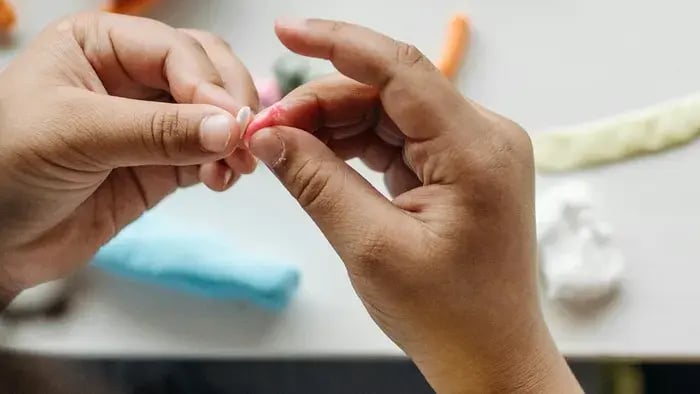
Making jewelry from clay is an easy start to making something fashionable and creative. It also lets the child work on their imagination to design various jewelry pieces, such as a necklace, an earring, or a bracelet. Encourage them to think of various designs and incorporate clay of different colors. This can be a very rewarding activity that's not just mentally stimulating but also allows the child to use their hands in different ways to give a proper shape to the jewelry. By the end, the child can also wear their creation.
Animal Sculptures
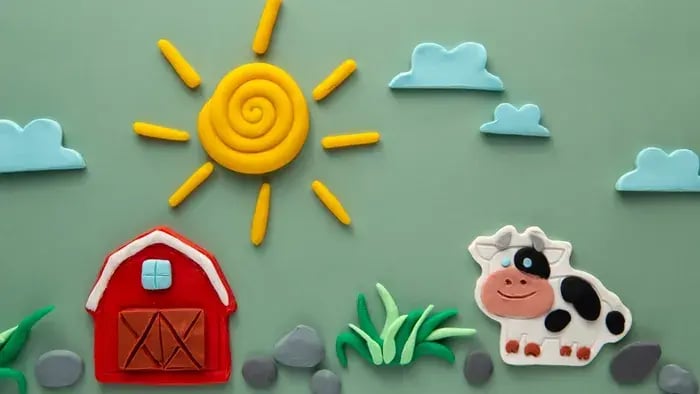
Animal sculpting through clay lets a child learn about different shapes and how to mold them to make animals. You may teach the kid how to mold an easier animal first. This can be a cat or a bear. As the child progresses and becomes articulate by molding the clay into basic shapes, you can introduce more complex animals such as dogs, elephants, or a lion. Try to provide them with helpful tools to define these animals. You may also take the help of clay molds to sculpt animals out of clay if you want to keep it simple.
Clay Faces
Teaching emotions through clay is a very unconventional yet interesting idea. This activity involves making circular faces, and then with the help of smaller clay particles putting various expressions on the clay faces. The child may make a happy face, a sad face, an emotional face, or an angry face. It is a very interesting way of making your child understand the difference between various facial expressions while also working on their dexterity.
Nature’s Impressions
Nature's impressions activity allows the child to come in contact with the environment and utilize the natural elements for clay molding. To do this activity, encourage your child to go for a walk outside and collect stones, flowers, and leaves. After collecting them, put these elements on rolled-down clay and with gentle pressure create their impressions.
Clay Vehicles
If your child is a fan of different automobiles, then molding clay to make various vehicles such as a car, an airplane, or a truck can be an exciting activity for them. You may also integrate storytelling while molding clay into these vehicles to make the activity more interesting. Guide your child to make each part of a vehicle, such as the body, the wheels, and the windows separately, and in the end, join them together. This will lead to better precision.
Underwater Creatures
The sea is full of a lot of secrets, and what better way to explore it with your child, than clay molding. Take inspiration from the internet and help your child mold clay into various sea creatures, such as a starfish, octopus, a whale, or various types of smaller fishes. You may also create proper marine scenery on a piece of paper with clay. Encourage them to make underwater grass, submarines, and other such interesting elements.
Clay Garden
To increase your child's awareness about flowers, soil, and other natural elements present in the garden, you may create a clay garden with your kid. Try to shape tiny colorful flowers with green stems and a brown colored clay pot. You may also create trees and small insects to give proper detailing to the scenery. Try to also give scientific knowledge to your child about each of these elements.
Clay Dinosaur
Making clay dinosaurs equips the child with unlimited possibilities of indulging in motor play while taking inspiration from actual dinosaur images present on the internet. Since a lot of detailing is required to make dinosaurs with clay, parents must try to be as helpful as possible. Try to give attention to all the body parts such as the body, the tail, the scales of the skin, and the facial expressions.
Age-Appropriate Tips for Clay Play
If you have younger children who may put things in their mouths, the most important consideration is to select a non-toxic, child-safe clay. Toddlers do better with softer, more flexible clays than stiffer, harder-to-work clays. For choking hazards, young children under 3 years of age should still be supervised closely. Older children can safely work with firmer clay and more detailed and intricate sculpting techniques. Blunt sticks should be introduced only when children can use them safely. Define a space for clay play to protect your furniture and floors. The activity itself can involve clean-up, building responsibility, and creative skills. Small modifications make working with clay safe and really age-appropriate.
Benefits of Clay Molding Beyond Motor Skills
Clay play encourages creativity by offering children an open-ended, malleable medium to work with. There is no correct way to shape or finish a piece. This freedom promotes original thinking and true creative confidence in children. Since it requires continuous hands-on care it encourages focus and patience. When a shape doesn’t turn out right, children learn to work through frustration. It also provides sensory regulation with the repetitive calming motion of shaping clay. For many children, playing and touching can be a soothing and fun activity. All of these benefits combined make clay a fantastic addition to a child’s daily routine.
Conclusion
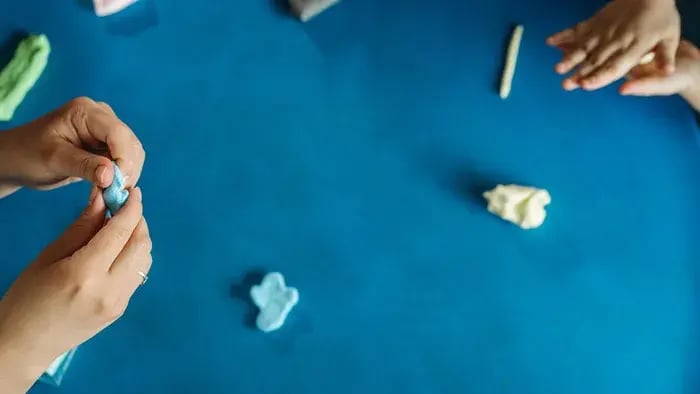
Working with clay is a fun and easy way for children to develop motor skills and creativity. These eight ideas require few materials and are suitable for a range of ages. One idea to try this week can start a new rewarding habit for the family. It’s regular hands-on practice that builds strong skills with regular clay play that’s fun.
Frequently Asked Questions
At what age can kids start clay molding activities?

Simple clay play can begin around age two, but only with close supervision. Kids around 4 and up generally do better with more independent, detailed sculpting.
Can clay activities be done with homemade dough instead of store-bought clay?
Yes, homemade dough is a good cheap, non-toxic alternative for younger children. It provides similar motor-skill benefits using ingredients commonly found at home.
Smriti is a content writer who creates clear, practical, and informative content backed by science and relevant data. With a strong understanding of structured writing, she breaks down complex topics into simple, actionable insights. Her work is focused on helping readers prepare, learn, and grow with confidence and clarity.
The views expressed are that of the expert alone.
Popular Topics