




 Parenting Guide


 Child Health & Growth


 Learning & Skills Development


 Food & Nutrition


 Bournvita






Introduction
In today’s world, English is a global language that helps people from different countries connect and interact. It is important that children know how to communicate in English, not only to express themselves clearly but also to
Flashcards
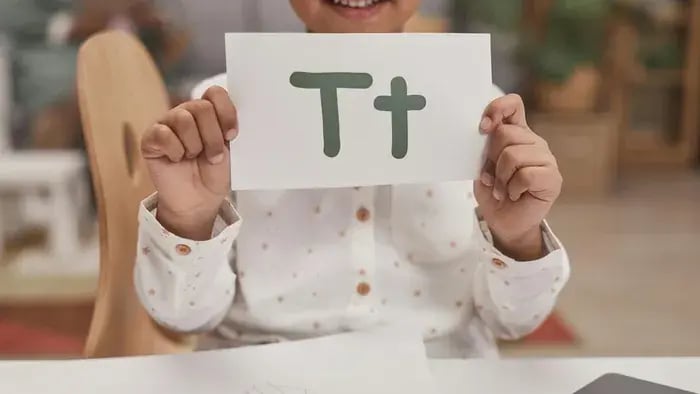
To play this game, parents may get some printed flashcards displaying words, such as apple, strawberry, bus, and game. Now you may show each of these flashcards one by one to your child and ask them to frame a sentence including that word. As you proceed, show them more flashcards, and they will have to keep on making up sentences for each word shown. This is a game that helps kids improve their communication skills and their ability to think and translate their thoughts from their native language to English spontaneously. With time, instead of just words, you may also start adding phrases.
Skill focus:Vocabulary building and sentence formation
Charade
A game of charades is not just fun but a highly interactive activity that focuses on improving a child's communication skills. It also helps in creating a light-hearted environment where the child indulges in non-verbal communication by guessing through the enactment of another person. Don't limit the game of charades to just guessing movies. You may simply divide all the participants into two groups and each of them should be given a phrase or a word that they will have to act on for the other team members to guess. This way, the child can work on their vocabulary while working in a team.
Skill focus: Speaking skills, vocabulary, and teamwork
Journaling

Journalling is a great opportunity for the child to reflect on their thoughts and write down their experiences on a piece of paper. It's also a safe space for the child to truly introspect their feelings without fear of judgment. An additional benefit of regular journalling is that the child develops a habit of writing every day. Continuous self-expression through writing allows the child to work on the grammatical structure and build vocabulary. Journalism may also prompt a greater inclination towards reading. Parents can play a significant role by encouraging the child to journal regularly.
Skill focus: Writing skills, grammar, and self-expression
Audio & Visual Content
Kids are active learners and observers and may learn a lot from movies, shows, podcasts, and even cartoons. Exposing kids to the right kind of content which is appropriate as per their age can help in developing a deeper understanding of English. It can also massively expand their vocabulary as the kid not only learns new words but also how to use them while communicating regularly. Making your child watch English programs and movies may also significantly improve their pronunciation and grammatical concepts.
Skill focus: Listening skills, pronunciation, and vocabulary
Repeat After Game
‘Repeating after me’ is a game in which parents encourage the child to replicate what they have just said. It can be a word, a phrase, or a whole paragraph. Repeating what the parent had said may help in embedding the information in the child's brain for a longer time. It can also facilitate a clear understanding of the pronunciation of each word. This is a more traditional method of learning but is highly indulgent and effective. Parents can make it more fun by making the child learn new words and phrases through the aid of poems and songs.
Skill focus: Pronunciation, listening, and language retention
Picture Description
Picture description is an activity in which a child is given a reference picture. Looking at the reference picture, the child has to form sentences describing what's happening in the picture. Parents may give a lively picture of a zoo, market, playground, tourist place, or anything that they feel is appropriate. The activity requires the child to use different types of adjectives, nouns, and adverbs to describe the events happening in the picture. The child also has to carefully analyze everything before structuring the sentences. Parents must provide analytical feedback by the end of the activity to improve the performance of the child.
Skill focus: Speaking, observation, and descriptive language
Tips to Make English Learning a Daily Habit
It is important that you make learning English a daily habit for your kid to help them become fluent and confident. You can try rotating a variety of creative English activities for students throughout the week to keep things interesting. You can keep sessions short, for around 10 to 15 minutes, and connect them to your child's interests, such as their favorite cartoon characters, books, sports, or hobbies. It is important that your child is consistent in their practice rather than spending a lot of time one day learning and not doing it for the rest of the week.
Conclusion

With simple and engaging activities, you can make learning English fun for your kid. It will help them build vocabulary, improve their communication, listening, and writing skills. Once they engage with this regularly, they will eventually become accustomed to the language and feel confident when communicating.
Frequently Asked Questions
At what age should kids start English learning activities at home?

Children can begin simple English learning activities as early as three years of age. Age-appropriate games, songs, picture books, and conversations are excellent ways to introduce language skills naturally.
How can I make English learning fun for a reluctant child?
Choose activities based on your child's interests. Watching their favorite English cartoons, playing word games, acting out stories, or using flashcards can make learning enjoyable and less intimidating. Keeping sessions short and playful can also help maintain their interest.
The views expressed are that of the expert alone.
Popular Topics