




 Parenting Guide


 Child Health & Growth


 Learning & Skills Development


 Food & Nutrition


 Bournvita





Introduction
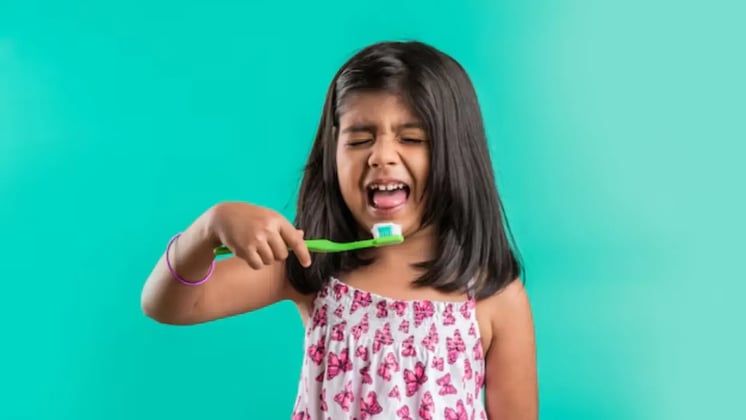
Creating a personal hygiene chart for the kids is probably one of the best ways to teach them about cleanliness and self-care. Even though parents know the importance of personal hygiene, kids often need a little help remembering to do the basics. A hygiene chart takes those everyday tasks and turns them into a clear, engaging system that's super easy for kids to follow and even enjoy.
By using a personal hygiene chart for kids, parents can create a simple, step by step guide to help their kids get into good habits like brushing their teeth, washing their hands, having a bath and changing their clothes. Taking these big tasks and breaking them into smaller, more manageable steps makes teaching hygiene to kids a whole lot less stressful and a lot more interactive. Add in some colors, stickers and rewards and suddenly kids are actually looking forward to doing their hygiene routine.
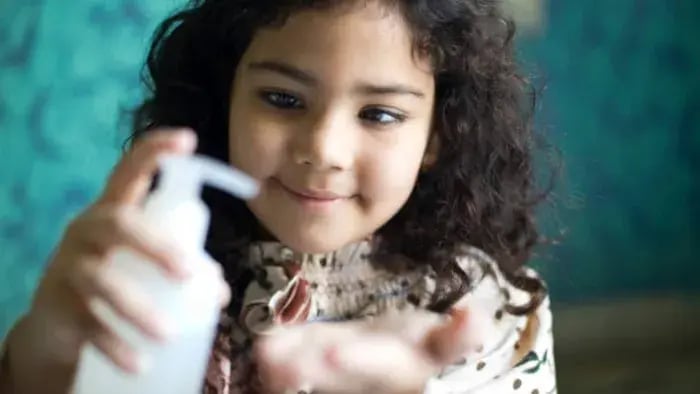
From picking out a design that your kid will love to adding in some fun rewards, the right hygiene chart ideas can be a lifesaver when it comes to building good habits that will stick with your kid for years to come.
What Is A Personal Hygiene Chart?
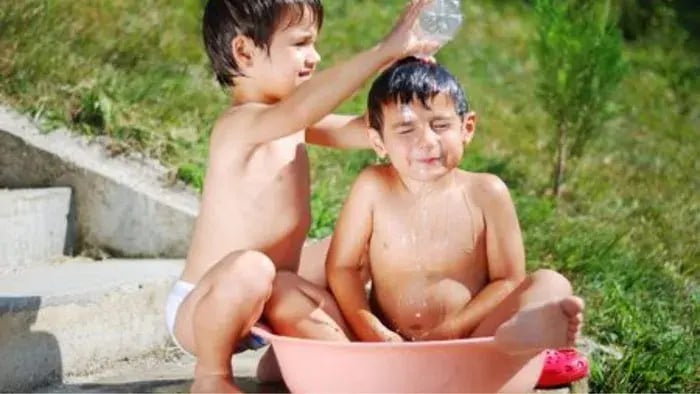
A personal hygiene chart is basically a visual tool to help kids remember what they need to do each day to keep themselves clean and healthy. It breaks down all the important tasks like brushing teeth, washing hands and having a bath into clear, easy to follow steps.
Why Are Hygiene Routines Important For Kids?
Teaching kids good hygiene habits is one of the most important things you can do to keep them healthy and happy. Here is why a daily hygiene routine for kids is truly a game changer.
Prevents illness and infections
Getting your kids into good habits like washing their hands and having regular baths really helps to keep them safe from germs and illnesses. Good hygiene habits for children are like having a superpower that keeps the bugs at bay and your kid feeling their best.
Builds responsibility and independence
Following a personal hygiene chart for kids, they start to take more responsibility for their own self care without you having to remind them all the time.
Creates a sense of routine and discipline
Kids thrive on routine and when you create a daily hygiene routine for kids, it helps them feel more secure and in control. Plus, you get to have a happier, more organised kid on your hands.
Boosts confidence and self-esteem
When kids feel clean and fresh, they have more confidence in themselves, whether they're at school or out with friends.
Encourages lifelong healthy habits
Teaching hygiene to kids at an early age helps them to instill these habits and with time they become like a habit for life.
5 Steps To Create A Hygiene Chart For Kids
Creating a personal hygiene chart for kids is simple when done step by step.
Step 1- Choose the right format
Decide whether the chart will be hand-drawn, printed, or digital. Choose a format your child finds exciting and easy to use.
Step2- List daily hygiene tasks clearly
Include tasks like brushing teeth, washing hands, bathing, combing hair, and wearing clean clothes. Keep the daily hygiene routine for kids realistic and age-appropriate.
Step 3- Use visuals and symbols
Pictures of toothbrushes, soap, towels, and clothes make hygiene chart ideas easier for young children to follow, even before they can read.
Step 4- Add a reward or tracking system
Stars, stickers, or checkmarks motivate children to complete tasks consistently. Rewards encourage positive hygiene habits for children.
Step 5- Place the chart where it’s visible
Hang the chart in the bathroom or bedroom at eye level so your child sees it daily and stays engaged.
5 Ways To Make Hygiene Fun For Children
Visual Guide
The chart uses pictures or symbols to represent each hygiene task, making it easy for children to follow along, even if they cannot read yet. This visual representation helps them understand what needs to be done and in what order.
Daily Routine
It outlines the specific hygiene tasks to be completed each day. For example, it might show morning and evening routines, such as brushing teeth after breakfast and before bed or washing hands before meals.
Customization
The chart can be tailored to fit your child’s needs and preferences. You can include tasks relevant to your child’s age and developmental stage, as well as any additional steps you want to emphasize.
Motivational Elements
Many charts include a reward system, such as stickers or stars, to encourage your child to complete hygiene tasks. Each completed task earns a sticker or star, which can be traded for a small reward or simply celebrated as a milestone.
Tracking Progress
By using the chart, kids can visually track progress and see how well they are sticking to their hygiene routine. This helps build a sense of accomplishment and reinforces positive habits.
How To Create A Personal Hygiene Chart For Kids?
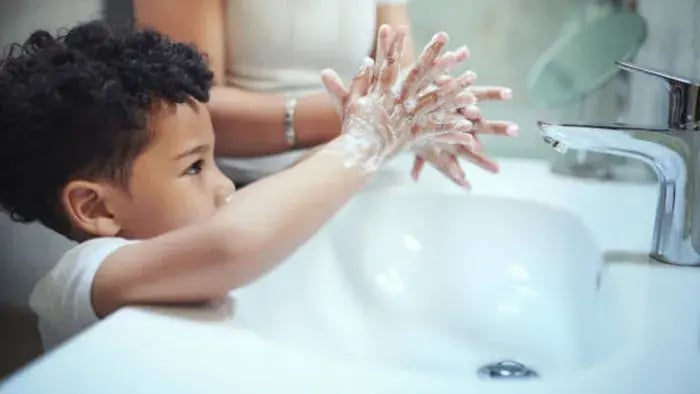
Creating a personal hygiene chart for kids can be a fun and effective way to encourage good habits. Here is a step-by-step guide to help you make one:
Choose a Format
A simple printed or hand-drawn chart on a large sheet of paper or poster board. An interactive chart on a tablet or computer that can be updated digitally. List the daily hygiene tasks your child needs to complete, such as brushing teeth, washing hands, taking a bath, and combing hair. Depending on your child's age, you can also include tasks like putting on clean clothes or using deodorant.
Create Visuals
Use pictures or symbols to represent each task. For younger children, drawings or stickers of toothbrushes, soap, and towels can be very helpful. For older children, use simple icons or photos.
Design the Chart
Divide the chart into sections for each day of the week or time of day (morning and evening routines). You can use a grid format with rows for tasks and columns for days or times. Add a space for stickers or checkmarks where your child can mark off completed tasks.
Add Motivational Elements
Incorporate a reward system to motivate your child. For example, each completed task can earn a sticker or star. After accumulating a certain number of stickers, they can receive a small reward or privilege.
Involve Your Child
Let your child help design and decorate the chart. This involvement can make them more excited about using it and more committed to following a hygiene routine.
Place the Chart in a Visible Location
Hang the chart where your child can easily see it, such as in the bathroom or bedroom. Ensure it is at eye level so they can easily follow along.
Review and Update Regularly
Review the chart with your child regularly to track progress and make any necessary updates. Celebrate achievements and adjust the tasks or rewards as needed.
Tips For Parents For Helping Kids Stay Consistent
Consistency is key when building hygiene habits. These tips help parents make teaching hygiene to kids successful.
Tip 1- Be consistent with reminders
Gently remind children to follow their personal hygiene chart for kids until the routine becomes natural.
Tip 2- Lead by example
Children copy adults. Practising good hygiene yourself reinforces the importance of daily hygiene routine for kids.
Tip 3- Keep the routine simple
Avoid adding too many tasks at once. Simplicity helps children stick to hygiene habits for children without feeling overwhelmed.
Tip 4- Celebrate small achievements
Praise effort, not just completion. Celebrating consistency boosts motivation and confidence.
Tip 5- Update the chart as your child grows
Modify tasks and rewards to match your child’s age and independence level, keeping hygiene chart ideas fresh and effective.
Conclusion
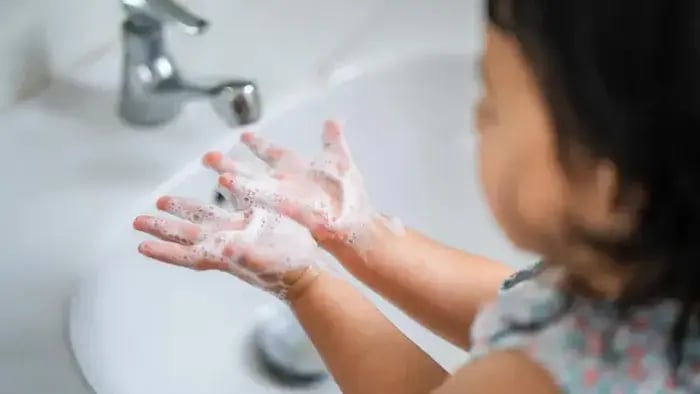
A personal hygiene chart for kids is a powerful parenting tool that builds responsibility, confidence, and lifelong healthy habits. By visually guiding children through daily routines and making hygiene fun and rewarding, parents can simplify teaching hygiene to kids.
With patience, consistency, and the right hygiene chart ideas, children learn that cleanliness is a positive and empowering part of everyday life.
Her love for storytelling began with reading her grandfather’s speeches, where Tarishi saw the power of words in creating lasting memories. Combining her passions for food and writing, she has turned her life into a fulfilling path of sharing stories that celebrate flavours and how food brings communities together.
The views expressed are that of the expert alone.
Popular Topics