



 Parenting Guide


 Child Health & Growth


 Learning & Skills Development


 Food & Nutrition


 Bournvita





Introduction
Personal hygiene is crucial for the overall well-being of a child. It encompasses habits such as keeping one's clothes clean, bathing every day, brushing teeth regularly, and cleaning one's surroundings. All these habits are essential not just to make a child look more presentable, but also to integrate an innate sense of discipline and routine among children. Also, a clean child is less likely to attract germs and diseases. Moreover, children who practice daily hygiene habits can also help their parents with everyday chores such as dusting and cleaning. These daily hygiene habits have to be developed by the parents of a child. Once a child becomes habitual in following all these, this becomes a lifestyle rather than rules to follow.
Why Personal Hygiene Matters for Kids

Personal hygiene for kids covers body, mouth, hair, hands, clothes, and surrounding cleanliness. Daily hygiene habits form the foundation for lifelong health, confidence, and independence. Personal hygiene for children protects them from infections, illness, and social discomfort daily. Hygiene habits for kids build self-respect and awareness of their own bodies and needs. Personal hygiene for kids established early becomes automatic, effortless, and genuinely self-sustaining. Daily hygiene habits practiced consistently reduce illness, improve confidence, and support well-being. Hygiene habits for kids are among the most important life skills parents can teach.
Daily Hygiene Habits Every Child Should Learn
Bathing Regularly
The personal hygiene baths for kids should be flexible depending on age, weather and activity. Bathing is a daily hygiene behaviour and does not need to be a strict daily rule for every child. Good hygiene habits for kids include bathing after playing outside, after sports, and after especially hot days.
Washing Hands Properly
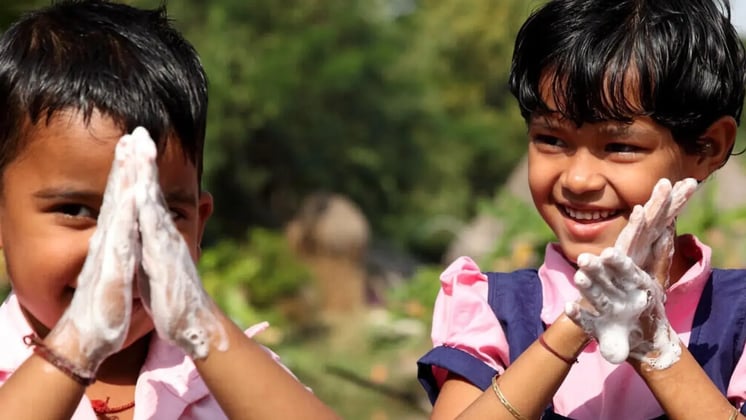
The most important daily hygiene practices for health are thorough and consistent handwashing. Children should be taught to wash their hands before eating, after using the washroom and after playing. Personal hygiene among kids, like handwashing, should also be after coughing, sneezing, or pet contact. Proper soap-and-water handwashing technique is the best protection of children’s personal hygiene.
Brushing Teeth Twice a Day
Kids’ personal hygiene includes brushing teeth every morning and before bed regularly. Daily hygiene habits for dental care should include brushing, rinsing, and basic flossing if age-appropriate.
Wearing Clean Clothes and Undergarments
Daily hygiene habits include changing out of sweaty or dirty clothes right after exercise. Hygiene habits for kids on undergarment hygiene are particularly vital as children enter puberty.
Caring for Hair and Nails
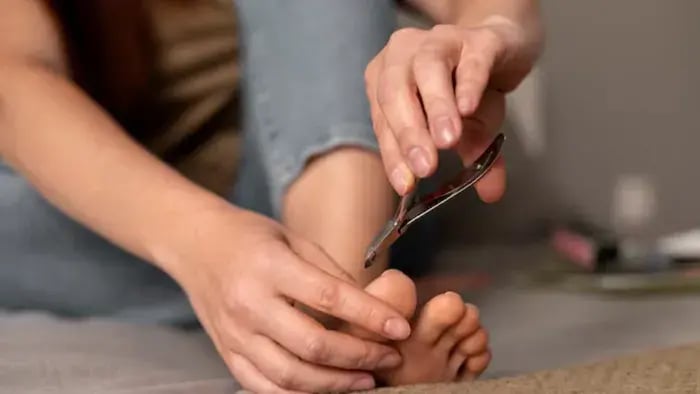
Nail care hygiene habits for kids include trimming nails weekly and not biting nails all the time. Caring for children’s hair and nails helps prevent infections, breakage, and skin irritation.
Covering Coughs and Sneezes
Personal hygiene for children covers their coughs and sneezes with a tissue or their elbow. Practicing good hygiene daily protects not only them but also everyone around them from respiratory illnesses. Covering coughs also gives personal hygiene for children that prevents germ transfer through droplets at school.
Hygiene Habits by Age: What to Teach and When
Ages 2–5
2-5-year-olds need full help, guidance, and gentle modeling by adults in their hygiene habits. Daily hygiene routines at this stage include bathing (with help from an adult), handwashing, brushing, and toilet hygiene. Developing personal hygiene for kids this age is a fun, patient, and consistent routine.
Ages 6–9
Hygiene habits for children 6-9 years old transfer to independent, unsupervised daily practice. At this point, the daily hygiene habits include independently brushing, bathing after play, and choosing clean clothing.
Ages 10–12
Personal hygiene for kids 10 to 12 should cover topics such as body odor, sweating, and puberty changes. Hygiene practices for children at this age should also involve daily hair washing and fresh pants. If necessary, children ages 10 to 12 may be introduced to the appropriate use of deodorant on a daily basis. As children reach the age of puberty, personal hygiene should be addressed in a sensitive, respectful and private way.
Teens
With personal hygiene for kids becoming teens, the focus has to be on total ownership and responsibility. Teens’ daily hygiene habits include grooming, skin care, and self-management of personal presentation. Hygiene habits for kids becoming teens may include respectful menstrual hygiene education.
How Parents Can Make Hygiene Habits Easier
Build a Morning and Night Routine
Daily hygiene habits related to morning and bedtime become automatic through consistent repetition. Children’s routine hygiene habits include brushing, washing, bathing, and changing at certain times. Having kids practice hygiene routines makes hygiene a normal, expected part of the day. Fixed-time routines for children’s personal hygiene eliminate daily negotiation and resistance.
Use Visual Reminders and Checklists
Visual charts and checklists in the bathroom can be a good way to help kids improve their hygiene habits. Seeing them displayed prominently near the washbasin, daily hygiene habits are more consistently followed. Visual tools for kids’ personal hygiene reduce the need for constant verbal reminders from adults. Toothbrushing trackers and step posters for children’s personal hygiene encourage independent practice of habits.
Make It Fun and Lead by Example
Fun, songs, and consistent adult modeling are the best ways to build hygiene habits for kids. Handwashing daily hygiene practices could include singing a short, familiar song for timing. Colorful tools and reward charts and child-friendly soaps help kids improve their personal hygiene.
Conclusion: Habits That Last
Consistency, patience, and age-appropriate responsibility help build lasting personal hygiene habits in kids. Their daily hygiene habits eventually become entirely automatic and self-directed. But when you teach kids good hygiene habits early, patiently, and positively, you don’t need to nag or pressure them later. As children grow, personal hygiene increases when responsibility is transferred gradually.
Frequently Asked Questions
Why is personal hygiene important for children?

Kids’ personal hygiene keeps infections at bay and helps build confidence and grow independence. Their daily health habits protect them from the most common childhood illnesses and health problems.
How can I make hygiene routines fun for my child?
There are child-friendly soaps for personal hygiene for kids. Songs make hand washing fun, too. Reward systems and sticker charts make daily hygiene habits fun and build real enthusiasm.
Smriti is a content writer who creates clear, practical, and informative content backed by science and relevant data. With a strong understanding of structured writing, she breaks down complex topics into simple, actionable insights. Her work is focused on helping readers prepare, learn, and grow with confidence and clarity.
The views expressed are that of the expert alone.
Popular Topics