




 Parenting Guide


 Child Health & Growth


 Learning & Skills Development


 Food & Nutrition


 Bournvita




Introduction
Vitamin D is one of the most important and most talked about nutrients in child health today. It is commonly known as the sunshine vitamin because the human body produces it when exposed to the sun. India is a land of sunshine but an alarmingly high prevalence of vitamin D deficiency is seen in Indian children and adults.
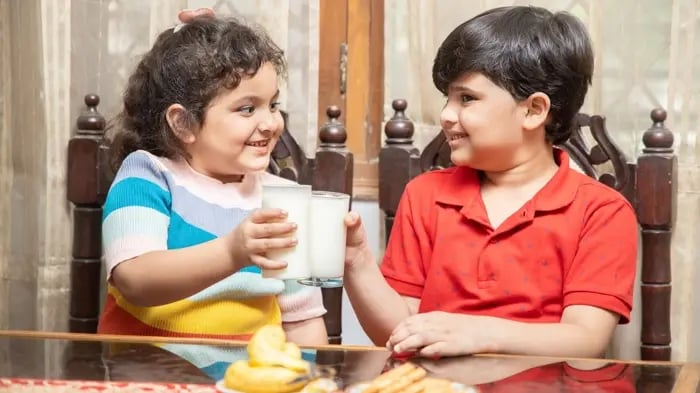
Every parent and caregiver needs to know and act on the daily vitamin D requirement, a number that’s urgent to know. A study in the 2021 Indian Journal of Endocrinologytoday revealed that more than 76% of Indian children and adolescents suffer from clinical vitamin D deficiency. That's alarming and completely preventable with the right daily diet and lifestyle choices. Vitamin D plays a role in children’s bone development, immune system health, mood regulation, and muscle function. In the long term, children with a vitamin D deficiency are likely to develop fractures, repeated infections, fatigue, and low mood.
Knowing the daily requirement of vitamin D helps parents plan targeted meals and outdoor activities for their children. Vitamin D is also important for calcium absorption, so strong bones cannot be achieved without proper vitamin D. As you pass through the various stages of life, your daily requirement of vitamin D changes. Childhood, adolescence, and adulthood all have particular and different needs. Parents should know these numbers so they can advocate for their child’s health with doctors and nutritionists.
Vitamin D Daily Requirements for Children, Teens and Adults
In 2020, an Indian Academy of Pediatrics guideline revisited the recommended daily requirement of vitamin D for Indian families based on current deficiency data and research. Understanding these numbers is the first step to building a truly Vitamin D-sufficient family at home.
| Age Group | Recommended Daily Intake | Maximum Safe Daily Limit |
|---|---|---|
| Infants 0–12 months | 400 IU (10 mcg) | 1,000 IU |
| Children 1–8 years | 600 IU (15 mcg) | 2,500 IU |
| Children 9–13 years | 600 IU (15 mcg) | 4,000 IU |
| Teens 14–18 years | 600 IU (15 mcg) | 4,000 IU |
| Adults 19–70 years | 600–800 IU (15–20 mcg) | 4,000 IU |
| Adults 70 years and above | 800 IU (20 mcg) | 4,000 IU |
| Pregnant and breastfeeding women | 600–800 IU (15–20 mcg) | 4,000 IU |
7 Foods with Vitamin D to Meet Your Daily Requirements
1. Salmon, Mackerel & Rohu: Fatty Fish
Fatty fish is one of the richest natural sources of dietary vitamin D available in India. A Rohu, a widely consumed freshwater fish in Indian households, contains moderate but substantial amounts of vitamin D per serving. To get the most nutrition from fish, serve it twice a week in shallow-fried preparations or steamed forms or gravies. Including fatty fish regularly in children’s diets is a good way to help meet the daily requirement of vitamin D for growing bodies.
2. Egg Yolk
Egg yolk is one of the most available and cheap sources of vitamin D in every Indian house daily. Children who eat two eggs a day get a significant and dependable portion of their daily requirement for vitamin D from this single food. Make eggs as omelettes, scrambles, boiled or in parathas, etc., to keep children interested and engaged with this nutrient source. Don't feed the children the egg without the yolk. The white contains no vitamin D in any measurable amount. Eggs are a complete protein and offer choline and iron in addition to their contribution of vitamin D, making them great overall for child health.
3. Milk and dairy products
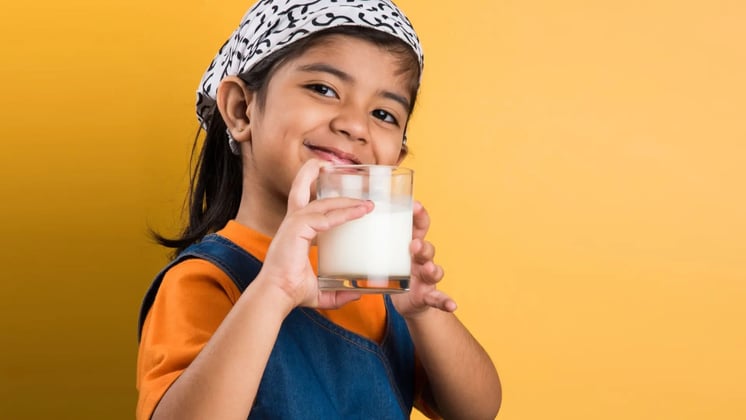
Today, most of the milk sold in India commercially is fortified with vitamin D, making it a convenient daily source. Fortified curd, paneer, and cheese are also increasingly available in Indian urban markets for parents to access. Always check the nutrition label for vitamin D fortification before buying any dairy product for your child. A favorite in Indian tradition, drinking warm turmeric milk at night becomes even more nutritious when fortified milk is used. Making fortified dairy a daily habit is one of the easiest ways to meet the whole family’s daily requirement of vitamin D.
4. Mushrooms
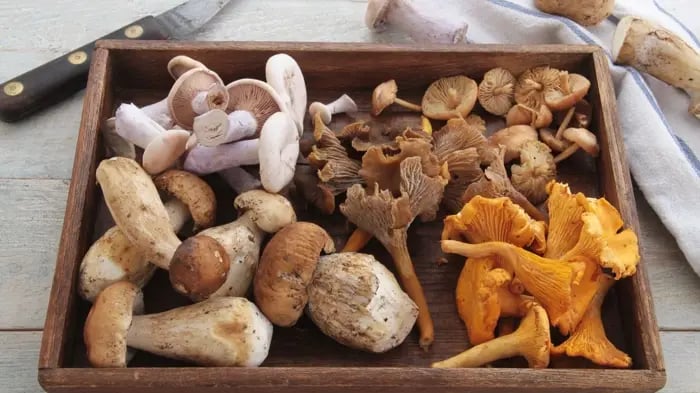
Mushrooms are the only plant food that can naturally produce vitamin D when exposed to ultraviolet light. Mushrooms are an excellent source of vitamin D and a great food for vegetarian and vegan Indian families that don’t eat animal products. Sun-dried mushrooms are a tasty way to add a functional boost of vitamin D to gravies, rice dishes, soups, and stir-fries. Button mushrooms exposed to sunlight also produce Vitamin D but not as much as the shiitake types. Getting children to love mushrooms early is a really powerful investment in their lifelong nutritional health and bone strength.
5. Fortified breakfast cereals and foods
Many breakfast cereals and oats available commercially in India are fortified with vitamin D, making it easy to add it to the daily diet. Always check the nutrition panel on cereal boxes for vitamin D content before you buy for your child. One breakfast with fortified cereal and fortified milk will greatly increase total vitamin D intake. This is especially helpful for older children and teenagers who often skip the more elaborate morning breakfast preparations at home. For parents, the simple yet very effective nutritional strategy is to add fortified cereal to a routine school-morning breakfast.
6. Cod Liver Oil
Cod liver oil is one of the world's most concentrated and time-honored sources of vitamin D. It is available in liquid and capsule form, making it accessible for children of different ages and preferences all over India. The taste can be strong, so mixing the liquid cod liver oil with orange juice or a fruit smoothie can make it more palatable for children. Always consult your child’s pediatrician before starting cod liver oil supplementation, especially at higher doses than the standard recommendation. This supplement has been safely used for generations and is still one of the most reliable vitamin D interventions available for children.
7. Tofu
Vitamin D-fortified soy milk tofu is a good source of plant-based food for vegetarian Indian families. Tofu absorbs flavor really well and is therefore an incredibly versatile ingredient in Indian cooking in a variety of cuisines and meal formats. Be it bhurji preparations, curries, grilled skewers, or sandwich stuffings, keep children interested and willing to eat it regularly. Check the labels carefully to ensure the fortified soy milk is the base for maximum vitamin D benefit per serving. When it comes to vegetarian children getting enough vitamin D on a daily basis, their best chance is when tofu is combined with time spent in the sun.
Family Vitamin D-Rich Diet Chart: Breakfast, Lunch, and Dinner
Breakfast Ideas
| Day | Breakfast |
|---|---|
| Monday | Fortified milk with oats and sun-dried mushroom omelette |
| Tuesday | Egg bhurji with whole wheat toast and a glass of fortified milk |
| Wednesday | Paneer paratha with fortified curd and a banana |
| Thursday | Fortified cereal with warm fortified milk and boiled egg |
| Friday | Tofu scramble with multigrain bread and a glass of orange juice |
| Saturday | Masala French toast with fortified milk and seasonal fruit |
| Sunday | Rohu fish cutlets with egg and a warm glass of turmeric fortified milk |
Lunch Ideas
| Day | Lunch |
|---|---|
| Monday | Grilled salmon with brown rice and a side salad |
| Tuesday | Mushroom and tofu curry with chapati and fortified curd |
| Wednesday | Mackerel fish curry with steamed rice and vegetable sabzi |
| Thursday | Egg curry with chapati and a bowl of fortified curd raita |
| Friday | Tofu palak curry with jeera rice and sliced cucumber salad |
| Saturday | Rohu fish biryani with onion raita made from fortified curd |
| Sunday | Paneer and sun-dried mushroom sabzi with whole wheat chapati |
Dinner Ideas
| Day | Dinner |
|---|---|
| Monday | Baked salmon with roasted vegetables and a glass of fortified milk |
| Tuesday | Egg and mushroom fried rice with a small bowl of fortified curd |
| Wednesday | Tofu tikka with tandoori roti and a warm glass of fortified turmeric milk |
| Thursday | Fish soup made with mackerel and mixed vegetables with brown rice |
| Friday | Mushroom and egg omelette with multigrain toast and warm milk |
| Saturday | Paneer tikka with grilled vegetables and a glass of fortified milk before bed |
| Sunday | Light dal with a boiled egg, chapati, and warm fortified milk for the whole family |
Conclusion

One of the most important things parents can do for the long-term health and well-being of their family is to meet the daily requirement of vitamin D. Sunlight, vitamin D-rich foods, and careful supplementation satisfy the needs of children, teens, and adults. Use the above diet chart as a starting point for the week, and adjust it to your family's tastes naturally. If you suspect a deficiency, speak to your child’s paediatrician and request a simple blood test to accurately check levels. With systematic knowledge, planning and happy family meals together, the daily requirement of vitamin Dis within reach of every Indian family.
Smriti is a content writer who creates clear, practical, and informative content backed by science and relevant data. With a strong understanding of structured writing, she breaks down complex topics into simple, actionable insights. Her work is focused on helping readers prepare, learn, and grow with confidence and clarity.
The views expressed are that of the expert alone.
Popular Topics