



 Parenting Guide


 Child Health & Growth


 Learning & Skills Development


 Food & Nutrition


 Bournvita





Introduction
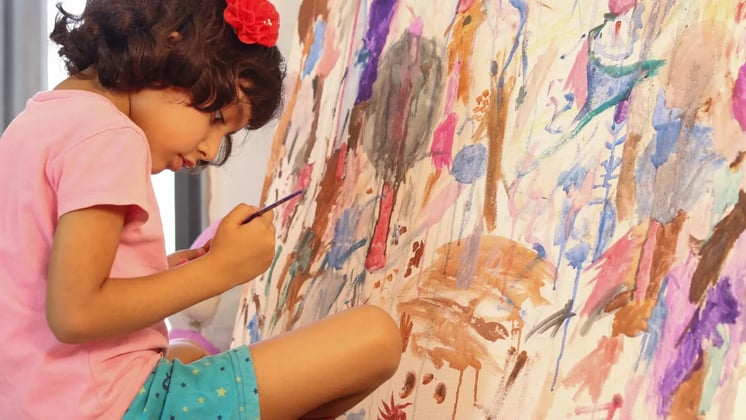
Kids collage work is one of the most richly layered creative activity. It’s a blend of cutting, arranging, gluing and composing all in one immersive experience. When children do collage they go into a deep state of focus, what psychologists call 'flow'. A 2020 study in Arts in Psychotherapy found that collage-making measurably decreased anxiety in children by 37%. The collage work for kids is done with real world materials — leaves, paper, fabric. This connection to physical, tactile materials is beautifully grounding for children. There is no one right answer in collage work for kids and this removes the fear of failure.
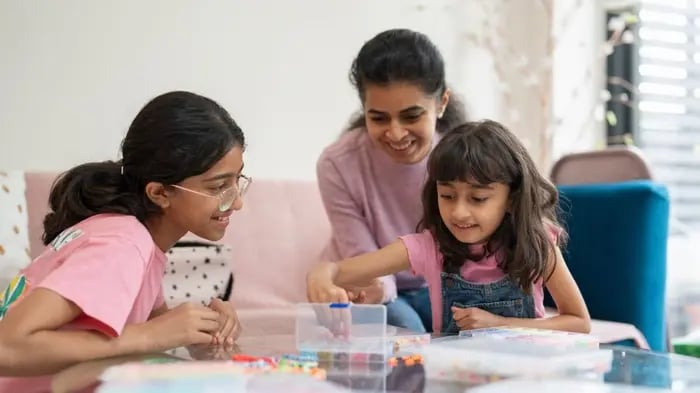
Every child’s collage is inherently valid, unique and worth celebrating. Such freedom fosters creative confidence that leads to academic risk taking. Collage making for kids also builds fine motor skills through accurate cutting and placement. children learn spatial reasoning by figuring out where things go on their canvas. Collage for kids makes kids resourceful—beautiful art from everyday stuff. Parents can offer children a powerful emotional outlet during collage time. Each collage tells a story that only that child could create.
Easy Collage Work Ideas for Kids: 5 Projects
Project 1: Nature Collage Using Leaves and Flowers
Children collect fallen leaves, dried flowers, and twigs from outdoors. They arrange these natural materials on paper to form animals, faces, or scenes. The organic shapes of leaves become wings, tails, and tree canopies. This project teaches children to see creative potential in everyday natural objects.
Things Needed:
Collected leaves, dried flowers, twigs, white cardstock, craft glue, markers for detailing.
Steps:
- Take a nature walk with your child to collect fallen materials.
- Lay all materials on the table and sort them by shape and size.
- Place materials on cardstock without gluing — experiment with arrangements.
- Once happy with the design, glue each piece down carefully.
- Add marker details like eyes, stems, or background lines to complete.
Tip:
Press leaves between books overnight before using — flat leaves stick better.
Project 2: Photo Memory Collage
Children select printed photos from family events, holidays, or everyday moments. They cut, arrange, and layer photos onto a large backing board creatively. Decorative paper, stickers, and ribbons frame each cherished memory beautifully. The finished piece becomes a deeply personal family art installation.
Things Needed:
Printed photographs, cardboard backing, decorative paper, scissors, glue stick, markers, stickers.
Steps:
- Print small photographs — 4x4 inch prints work best for this project.
- Cut photos into shapes — circles, stars, and irregular silhouettes work beautifully.
- Arrange photos on the cardboard and play with overlapping compositions.
- Glue photos down and add decorative paper borders around each image.
- Add captions, dates, or names in handwriting around the photos.
Tip:
Use a glue stick rather than liquid glue to prevent photo warping.
Project 3: Fabric and Texture Collage
Children explore different fabric textures — velvet, burlap, cotton, and lace. They cut fabric pieces into shapes and arrange them into abstract or representational designs. The contrast between textures creates visually and physically interesting artwork. This project develops tactile discrimination and aesthetic decision-making simultaneously.
Things Needed:
Fabric scraps (various textures), cardboard base, fabric glue or strong craft glue, scissors.
Steps:
- Gather fabric scraps in various textures, colors, and patterns from home.
- Let your child touch and sort fabrics by how they feel to them.
- Cut fabric into shapes — strips, circles, triangles, or freeform pieces.
- Arrange pieces on cardboard to form a pattern, scene, or abstract design.
- Glue each piece firmly and allow the collage to dry fully overnight.
Tip:
Fabric glue dries clear and creates a far stronger bond than regular craft glue.
Project 4: Torn Paper Landscape Collage
Children tear colored paper into irregular strips and shapes freely. These torn pieces are layered to create sky, hills, water, and earth landscapes. Tearing removes the precision anxiety that scissors sometimes create in children. The result is a beautifully textured, impressionistic artwork unlike any other.
Things Needed:
Colored tissue paper, construction paper, white cardstock, craft glue diluted with water, a brush.
Steps:
- Tear tissue paper and construction paper into various irregular shapes freely.
- Use the brush to apply diluted craft glue across the cardstock base.
- Press torn paper pieces onto the glue, overlapping pieces for texture.
- Build layers from background to foreground — sky first, then ground.
- Apply a final coat of diluted glue over everything as a sealant.
Tip:
Layering light tissue paper creates translucent, watercolor-like effects beautifully.
Project 5: Magazine Cut-Out Theme Collage
Children choose a theme — "things that make me happy" or "my dream world." They flip through old magazines and cut out images, colors, and words that fit. These cut-outs are arranged into a personal visual statement on large paper. The result is a unique window into each child's inner world and values.
Things Needed:
Old magazines, large paper or poster board, scissors, glue stick, markers.
Steps:
- Choose a clear, personal theme with your child before starting the project.
- Flip through magazines and cut anything that connects to the chosen theme.
- Gather all cut-outs and sort them loosely before arranging on paper.
- Arrange cut-outs from largest background pieces to smallest detail pieces.
- Glue everything down and add hand-drawn or written elements freely.
Tip:
Ask your child to explain their choices — this deepens the self-reflection value enormously.
Things to Keep in Mind While Supervising Collage Work for Kids
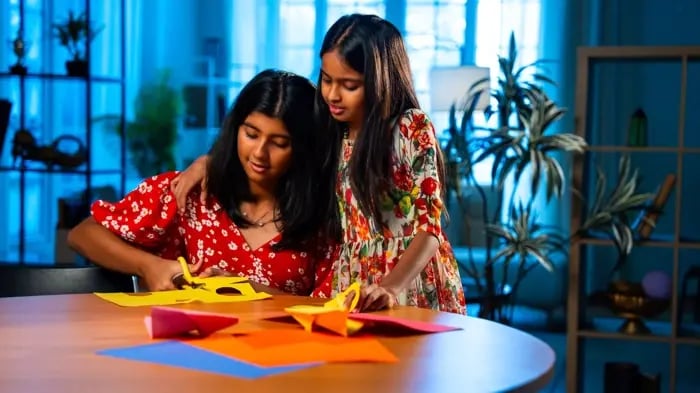
1. Let children lead their own creative decisions.
Let children make their own creative choices. And never move pieces without getting your child’s explicit permission first. Unsolicited corrections tell them that their instincts are wrong or lacking. Let your child choose his own style, even if it looks unusual. If the creative space is really theirs, collage work for kids builds confidence.
2. Prepare the workspace before starting to prevent mess-related frustration.
Before starting any project, cover tables with newspaper or plastic sheeting. Have all materials out and ready before your child sits down. Mid-project scramble for supplies disrupts creative concentration and flow. A ready-made space shows your child her creativity is worth planning for.
3. Supervise scissors use closely with younger children always.
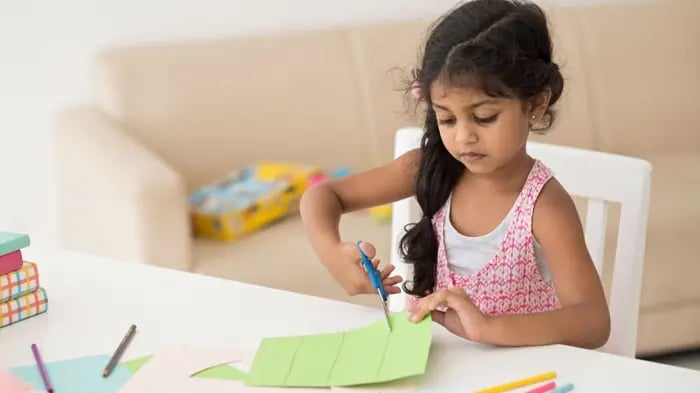
Children under 7 years old require child safe scissors and supervision by an adult. Before each and every session show proper scissor grip and cutting direction. Never leave a child unattended with scissors during a project. Safety oversight does not have to squelch creativity when it is done naturally.
4. Do not rush the drying process.
Lifting a collage before the glue is dry destroys hours of careful work. Let each project dry thoroughly – overnight is always the safest way to go. Deep child disappointment and parts falling off during drying. Teach children that patience is part of the creative process, too.
5. Display every finished collage prominently and with genuine pride.
The displayed artwork shows deep respect and validation of parents. Children who see their work on display are encouraged to do more and try harder.” Point out works that mean a lot to your kids and let them explain what exactly they love about them. Constant recognition for kids’ collage work builds a lasting creative identity.
Conclusion
Collage work for kids is art, therapy and learning all in one activity. It develops creativity, fine motor skills and emotional expression all in one go. Collage work for kids doesn’t have to be expensive. The journey matters far more than any polished destination ever will. Make collage work a natural weekend ritual your child looks forward to.
Frequently Asked Questions
Q1. Why do children enjoy collage work activities?

Collage work for kids allows children to experiment with different materials, textures, and colors while creating unique artwork that reflects their imagination.
Q2. Can collage projects be used as educational activities?
Yes. Collage work for kids can teach themes such as seasons, animals, shapes, family, and nature while making learning more engaging and visual.
Q3. How can parents encourage children to create collages regularly?
Parents can provide simple craft supplies and open-ended themes for collage work for kids, encouraging creativity without focusing on perfection.
Smriti is a content writer who creates clear, practical, and informative content backed by science and relevant data. With a strong understanding of structured writing, she breaks down complex topics into simple, actionable insights. Her work is focused on helping readers prepare, learn, and grow with confidence and clarity.
The views expressed are that of the expert alone.
Popular Topics