



 Parenting Guide


 Child Health & Growth


 Learning & Skills Development


 Food & Nutrition


 Bournvita





Introduction
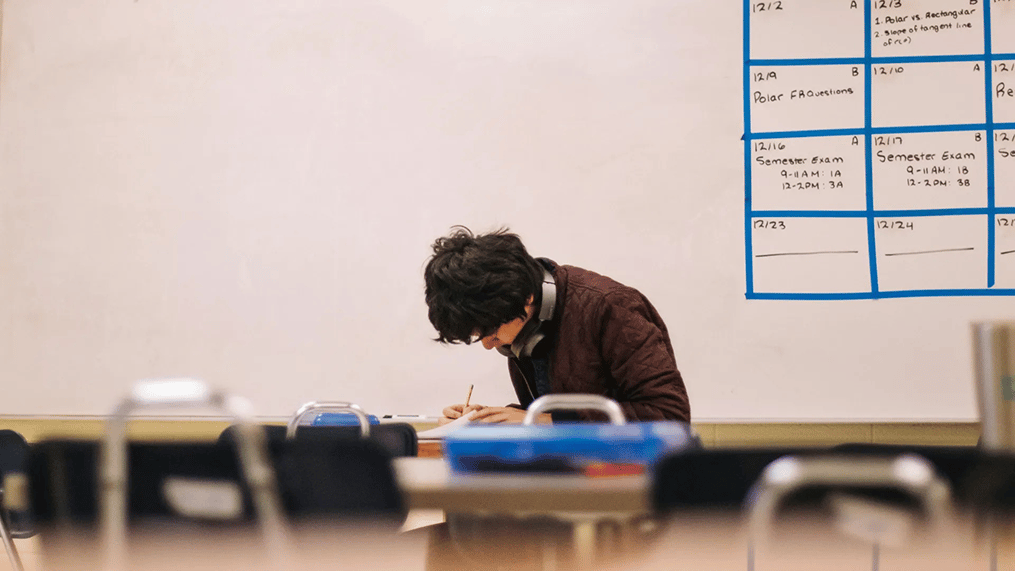
The pressure of exam season can be overwhelming even to the calmest of kids. This growing sense of urgency is often unintentionally stoked by parents and teachers. Relaxation techniques for kids help to relieve this pressure before it affects focus and confidence. Your study time is as important as your emotional balance. A rested and relaxed mind receives information better than a tired and stressed one.
Rest and relaxation don't substitute for good sleep and proper nutrition; they work with them. Stress can accumulate without any deliberate downtime and can quietly undo weeks of careful planning. Teaching kids relaxation techniques before a test can really give them an edge in high-pressure situations. The article details why relaxation is important for the mind and body. And five simple techniques children can use between periods of study are included. To end this practical guide, a short daily routine has been developed using these techniques.
Why Is Relaxation Necessary?
For the Mind
The weary mind can’t discover new solutions to hard questions. A good break will often help a child to solve a stubborn question easily. This is because rest helps the mind to clear and process information effectively. A short break or a little meditation can be very effective in restoring that mental clarity.
For the Body
Long hours of studying can make your body feel stiff. A tired, stiff body often equals a tired, unfocused mind. If there is too much tension in the body, then restlessness and drowsiness can occur. A relaxed body equals a calmer and more focused mind when studying.
How Relaxation Techniques Help During Exam Prep
Regular relaxation sessions provide children with a fresh point of view toward their study material. It’s a new way of looking at things, and that can make hard subjects that seemed too much before have less bite. Taking breaks can help keep study periods longer and more interesting for kids and help them stay more involved. Give yourself a few minutes' break between subjects, and kids will find that your memory retention over time increases dramatically.
Regular relaxation by children means they can study longer with far less fatigue. This sustainable pace is often better than marathon study sessions with no breaks at all. Relaxation also develops self-confidence. Children feel more confident going into exams. But calm preparation builds confidence, and confidence tends to hold steady under real exam pressure. All these advantages come together to make relaxation a study tool, not a distraction.
Effective Relaxation Techniques for Kids During Exam Time
Meditation
Meditation is a simple concentration practice that relaxes the mind and body. Other options include chanting "om," slow breathing, or short concentration exercises. It is a good idea to take five minutes to do some quiet breathing before children start studying. This little habit can be quite useful to relieve tension before they begin a study session.
Doodling, Painting, or Drawing
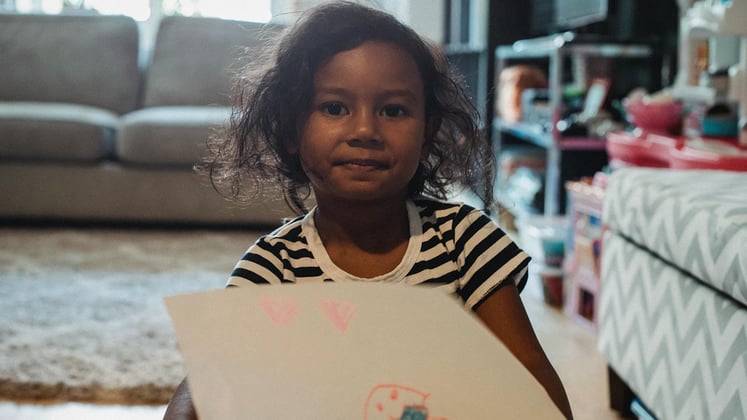
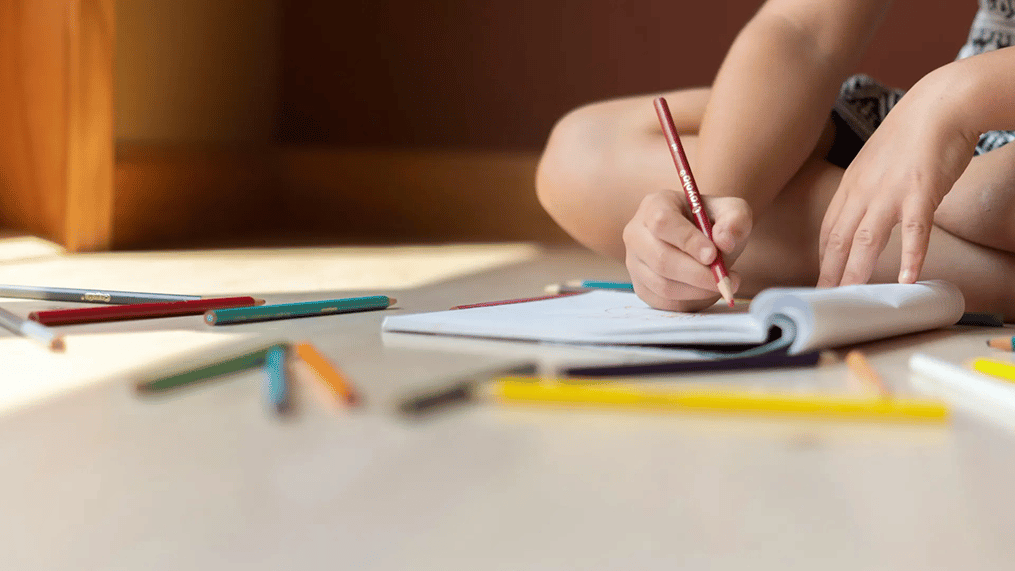
Doodling and painting are great ways to take a break from screens and study material. This is good for kids who get bored during long breaks. Even 10 minutes of drawing can reset your attention before returning to books. For most kids, it’s a low-effort, easy way to relax.
Yoga
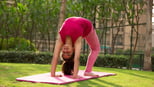
Yoga is gentle stretching, pranayama, and simple asanas to relax . When sitting still, the body and mind take longer to settle. If kids have fifteen to thirty minutes, doing yoga can really help to work out tension that has built up. Yoga especially helps relax a restless mind through breathing exercises during sessions.
Hobbies
Gardening, sewing, and similar hobbies offer gentle physical activity after many hours of study. These are physical exercises that give the mind real rest. A hobby can help keep children busy, and many children become more active and feel better with one. Hobbies are very good for relaxing on weekends or at night.
Dance
Dancing is a healthy outlet for restless energy and releases happy hormones. It’s good for kids who are physically fidgety after sitting for hours. Dance also keeps children active and energized throughout the day and provides relaxation. It's a good break and also a good routine of physical activity.
What Happens When a Child Over-Exhausts Themselves?
Children who do not relax regularly often suffer from constant burnout and physical tiredness. This fatigue usually manifests itself as decreased concentration and increased distractibility during study. The concentration is already stretched thin, so it’s difficult to learn new things. Problem-solving also takes a hit because a fatigued brain is far less efficient at processing information.
Over time, this pattern can work against even the most disciplined study schedule. Children may also become more irritable or emotionally reactive under sustained pressure. Recognizing these signs early allows parents to bring back breaks before the burnout gets too deep. Relaxation is not optional in exam season but a true performance tool. To skip rest is to work directly against the results children are working toward.
Simple Relaxation Routine to Try Before or Between Study Sessions
If your kids are overwhelmed, it’s better to go to a short, structured routine than to relax. Slow breathing for five minutes calms the mind before studying. Then do five minutes of light stretching to release your physical tension.
Or 5 minutes of doodling is a more laid-back approach for fidgety kids. These 10-minute combos work nicely between subjects or study blocks in the day. Kids can make the routine work in a way that feels most soothing to them. It’s less important to have the right mix of activities than to be consistent. Over time doing this becomes a natural cue that it is time to focus.
Conclusion
Even when exams are looming, relaxation feeds a rested body and peaceful mind. This calm arises from continual practice, not from forcing oneself through continual mental strain. Children can first select one of the techniques, such as breathing or a short walk. It’s a regular, simple practice that makes relaxing before exams second nature.
Frequently Asked Questions
Why is relaxation important for kids during exam time?

Relaxation can help your brain feel clearer and release any physical tension that may have built up after long periods of study. This mixture helps in better concentration, remembering information, and general confidence in the exam preparation.
What is the best relaxation technique for exam stress?
The best method depends on the kid, but breathing exercises and short movement breaks work well across the board. Good, accessible options are meditation, yoga, doodling, hobbies, and dance.
How long should a relaxation break be during study sessions?
A five- to fifteen-minute break between blocks of study works well for most children. Better to have short breaks frequently than a long break in a session.
Smriti is a content writer who creates clear, practical, and informative content backed by science and relevant data. With a strong understanding of structured writing, she breaks down complex topics into simple, actionable insights. Her work is focused on helping readers prepare, learn, and grow with confidence and clarity.
The views expressed are that of the expert alone.
Popular Topics