




 Parenting Guide


 Child Health & Growth


 Learning & Skills Development


 Food & Nutrition


 Bournvita





Introduction
Sometimes children can be picky eaters which means that they may refuse to eat certain types of fruits and vegetables that traditionally don't taste delicious. However, parents need to ensure that their child has a balanced diet to look after their regular nutritional requirements. Each nutrient is essential for the overall well-being of a child and contributes towards the growth and development of the child.
Hence, it becomes important for parents to try different techniques to make their children eat all kinds of fruits and vegetables. This may include consistent persuasion, trying various recipes, and also explaining to the child the importance of eating a well-balanced diet full of various fruits and vegetables. If you are a parent who is trying to figure out how to make it possible for your kid to eat a diverse meal, then this article might be helpful for you.
Why Fruits and Vegetables Are Important for Kids?
Fruits and vegetables are among the most important foods for growing children. They provide essential vitamins, minerals, antioxidants, and fibre that support healthy growth, strong bones, brain development, and overall well-being. Eating a colourful variety of fruits and vegetables also helps strengthen the immune system, giving children the nutrients they need to stay active and healthy.
The fibre found in fruits and vegetables supports healthy digestion and helps keep children feeling satisfied between meals. These foods also provide natural energy without excess added sugar, making them a nutritious choice for school, play, and everyday activities. Helping children understand how different fruits and vegetables support their bodies can encourage healthier eating habits that last a lifetime.
How to Get Kids to Eat More Fruits and Vegetables
Here is how you may make your child eat different types of fruits and vegetables.
Keep Offering (Repeated Exposure)
Children often need to see or taste a new fruit or vegetable several times before they accept it. Instead of giving up after one refusal, continue offering small portions without pressure. Familiarity helps children become more comfortable trying new foods over time.
Eat Them Together as a Family
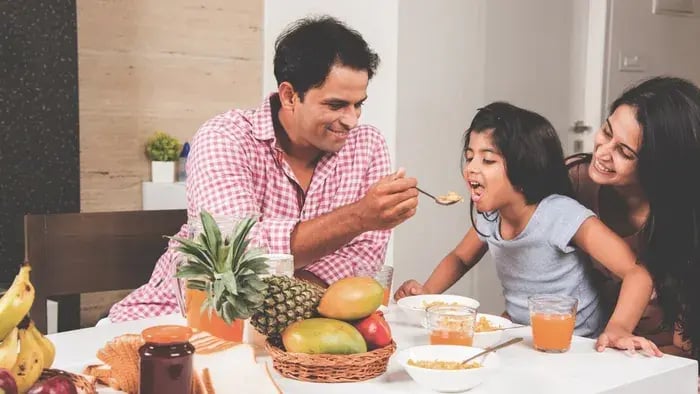
Children are much more likely to eat fruits and vegetables when they see parents and siblings enjoying them too. Make colourful produce a regular part of family meals and snacks, and lead by example rather than encouraging children to eat foods adults avoid themselves.
Stay Positive and Don't Pressure
Avoid forcing children to finish everything on their plate or criticising them for refusing certain foods. Instead, let them decide how much they want to eat from the healthy options offered. Creating a relaxed mealtime environment helps children build a positive relationship with food.
Make It Fun: Presentation and Variety
Fun presentation can make fruits and vegetables more appealing. Try colourful fruit platters, vegetable sticks with tasty dips, rainbow salads, fun shapes, or bento-style lunchboxes. Offering a variety of colours, textures, and flavours also keeps meals interesting for children.
Get Kids Involved in Cooking and Growing
Invite children to wash vegetables, mix ingredients, arrange fruit platters, or prepare simple snacks. If possible, grow easy plants such as tomatoes, coriander, mint, or spinach at home. Children are often more willing to taste foods they have helped prepare or grow themselves.
Try New Recipes Gradually
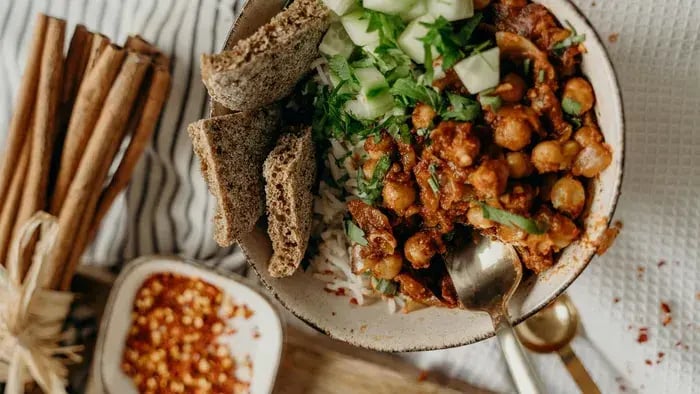
Introduce one new fruit or vegetable dish at a time alongside familiar family favourites. Experiment with different cooking methods, seasonings, and recipes until you discover what your child enjoys. A food doesn't need to be plain to be healthy—great flavour often encourages children to come back for more.
Divide the Day into Meals and Snacks
Sometimes a child may not appreciate it when you feed them all kinds of vegetables and fruits in one single meal. Hence a better way of going about it is to divide the daily fruit and vegetables intake into different meals as well as snacks so that the child doesn't feel cranky. This will also make each meal and snack more balanced, and parents will have the greater opportunity to experiment with different food items and ingredients. For example, for an evening snack, you may give your child a nice vegetable salad with some source of protein. Similarly, for lunch, you may add a cup of curd along with your regular lunch menu.
Make All Family Members Try Vegetables and Fruits
The next important step for parents is to ensure that all the family members try different types of fruits and vegetables so that the child doesn't feel isolated. Sometimes the child may feel that they're being pressured to eat a certain kind of food while all the other family members are getting away from it. To develop a deeper sense of understanding and cooperation amongst kids regarding eating healthy food items, all family members need to indulge in healthy eating practices. This can make the child understand why it is necessary to choose fruits and vegetables over junk food and make it a way of life.
Don't Criticize
Passing negative remarks on your child's eating habits can make them more stubborn and develop a rebellious attitude. It may also make the child feel that they are not being understood or heard. Hence, it is very important to provide positive reinforcement and not use harsh words with the child to develop healthy eating practices. You may just simply serve them some balanced meals and encourage them to try these recipes. Slowly, you might see that your child will become less stubborn and more welcoming towards trying different types of recipes.
Introduce New Recipes
Another great way of making your child try various types of fruits and vegetables is by making new types of recipes for them. You may also switch cuisines and make some yummy dishes so that your child doesn't get the upfront taste of the fruits or vegetables that they generally do not like. However, it is very important to slowly introduce these recipes one by one into your household so that your child doesn't get overwhelmed with so many flavors. Another important point to remember is that you should always give more consideration to nutrients rather than flavor.
Try Different Presentation Ideas
Other than the taste of the food, the way that the food looks may also instantly grab the attention of a child. To make your child interested in eating different recipes, you may change the way that you present the food to your kid. The plating can be made more aesthetic by cutting vegetables into different shapes, adding dips, and seasoning the food with various ingredients to make it look more delectable. Sometimes the food looks so appetizing that the child might forget to think of what ingredients have been added in the dish and simply devour it.
Explain Nutrition to Your Kid
One of the best ways to make your child understand the importance of eating healthy food is to explain to them how it can truly make a difference in their life. You may start by simply explaining the importance of every nutrient and how it helps in the overall well-being of one's body. Then you may encourage them to read different books related to nutrition or make them watch movies and documentaries to further their understanding. For more experiential learning, you may also encourage them to come to the kitchen and see the food being prepared.
Vegetable and Fruit Snack Ideas for Kids
Healthy snacks make it easier for children to enjoy fruits and vegetables throughout the day. Instead of serving large portions at one meal, spread them across breakfast, lunch, snacks, and dinner.
Some easy snack ideas include:
- Carrot, cucumber, or capsicum sticks with hummus or curd dip
- Fruit kebabs made with grapes, banana, apple, and melon
- Fresh fruit chaat with a squeeze of lemon
- Homemade fruit smoothies with yoghurt
- Roasted chana or makhana with fruit
- Cucumber slices topped with cheese
- Apple or banana slices with peanut or almond butter (where suitable)
For fussy eaters, begin with naturally sweeter or milder options such as carrots, cucumber, sweet corn, peas, bananas, apples, grapes, strawberries, and mangoes before gradually introducing new varieties.
Conclusion: Patience and a Pressure-Free Plate
Helping children enjoy fruits and vegetables is a gradual journey, not a one-time achievement. Offering a variety of colourful foods regularly, involving children in meal preparation, and keeping mealtimes relaxed encourages healthy eating habits over time. With patience, consistency, and a pressure-free approach, most children gradually become more willing to explore and enjoy a wider range of fruits and vegetables.
Frequently Asked Questions
Why are fruits and vegetables important for kids?

Fruits and vegetables provide vitamins, minerals, fibre, and antioxidants that support growth, digestion, immunity, brain development, and everyday energy for active children.
What are good vegetable snacks for kids?
Try carrot and cucumber sticks with hummus, roasted sweet potato, corn cups, veggie wraps, cucumber with cheese, or colourful vegetable chaat for nutritious snacks.
What are easy vegetables for kids to start with?
Carrots, cucumber, sweet corn, peas, potatoes, sweet potatoes, tomatoes, and mild capsicum are great beginner vegetables because of their familiar flavours and textures.
Her love for storytelling began with reading her grandfather’s speeches, where Tarishi saw the power of words in creating lasting memories. Combining her passions for food and writing, she has turned her life into a fulfilling path of sharing stories that celebrate flavours and how food brings communities together.
The views expressed are that of the expert alone.
Popular Topics