




 Parenting Guide


 Child Health & Growth


 Learning & Skills Development


 Food & Nutrition


 Bournvita





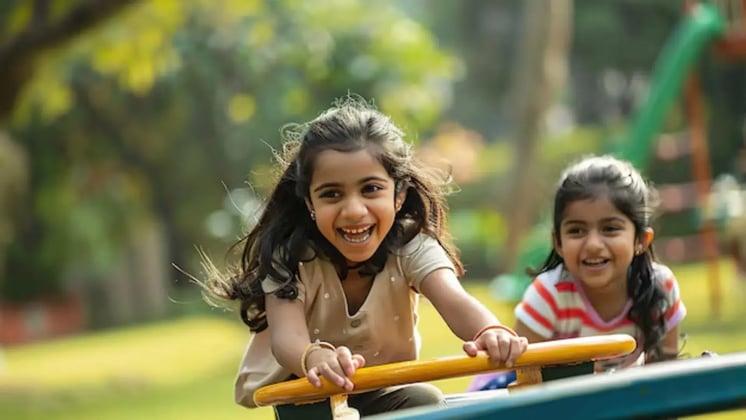
Why Physical Play at Home Is More Important Than Ever for Kids
Kids love to move, and physical games are one of the easiest ways to turn that natural energy into healthy exercise. But physical play isn't just about movement—it's about learning valuable skills like balance, coordination, problem-solving, and teamwork. According to the World Health Organization (WHO), children aged 5–17 should get at least 60 minutes of moderate-to-vigorous physical activity every day.
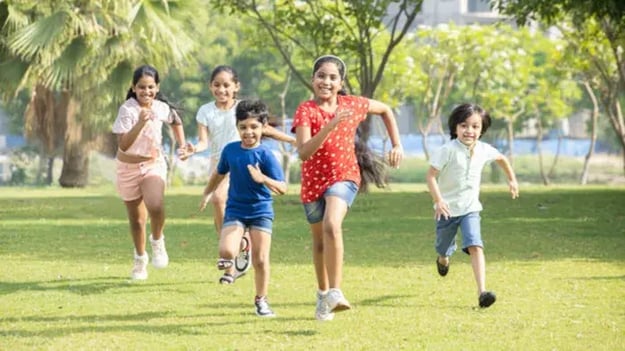
Yet studies suggest that many urban Indian children average only 30–40 minutes, making active play at home an important addition to school sports and PE classes. In India, where monsoon seasons can limit outdoor play for several months, having a collection of fun indoor-friendly physical games helps children stay active, build strength, and develop lifelong healthy habits.
Importance of Physical Games for Kids' Strength and Coordination
Builds Strength and Endurance
Running, jumping, and climbing help strengthen muscles and improve stamina. Regular physical activity keeps kids energetic and physically fit.
Enhances Balance and Coordination
Games that involve hopping, skipping, or balancing sharpen motor skills and coordination. These activities refine body control and movement efficiency.
Boosts Agility and Reflexes
Fast-paced games like tag or relay races improve reaction time and agility, helping kids develop quick reflexes and better movement skills.
Supports Bone and Joint Health
Weight-bearing activities like hopping and jumping strengthen bones and joints, reducing the risk of injuries and promoting long-term health.
Encourages Social Interaction
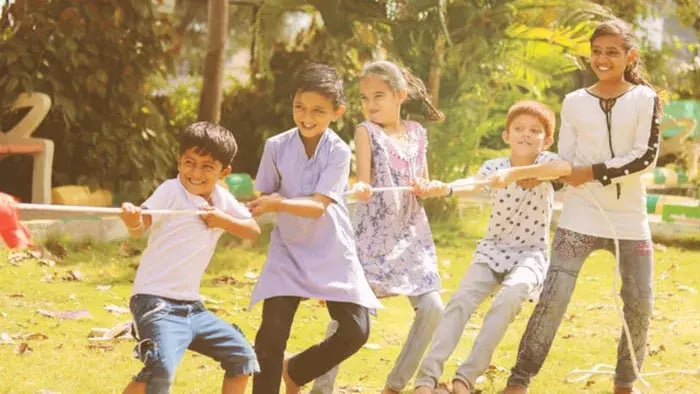
Team-based games teach cooperation, teamwork, and communication. Kids learn to work together, build friendships, and develop leadership skills.
Improves Focus and Discipline
Structured games require concentration, strategic thinking, and rule-following, helping kids develop patience, problem-solving abilities, and self-discipline.
Reduces Stress and Boosts Mood
Physical activity releases endorphins, which improve mood and reduce stress. Games provide a fun way for kids to relax and stay happy.
7 Top Physical Games for Kids to Improve Strength and Coordination
Animal Walk Races
Turn exercise into a fun adventure by having kids move like different animals. Whether it's a bear crawl, frog jump, or crab walk, these movements strengthen muscles, improve balance, and develop coordination. Plus, they encourage creativity and imagination as kids act like their favorite animals while staying physically active.
Balloon Keep-Up
This simple yet effective game improves hand-eye coordination and reflexes. Kids must keep a balloon in the air using only their hands, head, or even elbows. It helps develop quick thinking and control while providing a low-impact way to stay engaged in movement. You can add challenges like keeping multiple balloons up at once to make it more exciting.
Simon Says with Actions
A fun twist on the traditional game, Simon Says with physical actions helps kids improve coordination and listening skills. Commands like “Simon says jump on one foot” or “Simon says touch your toes” keep them moving and engaged. This game not only strengthens their body but also enhances focus and reaction time.
Hula Hoop Challenges
Using a hula hoop improves core strength, balance, and flexibility. Kids can try different challenges like spinning the hoop around their waist, jumping through it, or rolling it on the ground and chasing it. It’s a fantastic way to develop coordination while having fun with friends or family.
Relay Races
Relay races encourage teamwork, endurance, and speed. Set up a race with different challenges, such as running, skipping, or crawling between points. This game enhances cardiovascular health, builds muscle strength, and teaches kids the importance of working together. You can make it more engaging by adding fun elements like carrying a small object while running.
Balance Beam Walk
Create a balance beam using a wooden plank or tape on the floor. Have kids walk across it while balancing, trying different variations like walking backward or carrying an object. This game strengthens core muscles, improves posture, and enhances concentration. It’s an excellent activity for refining motor skills and coordination.
Freeze Dance
Playing music and having kids dance freely until the music stops is an exciting way to develop balance, agility, and reflexes. When the music stops, they must freeze in place. This game not only keeps them active but also helps them improve their control over body movements while enjoying rhythmic fun.
Hopscotch — Balance, Number Recognition, and Leg Strength
Hopscotch is a classic game that combines physical activity with early learning. Draw numbered squares from 1 to 10 using chalk outdoors or masking tape indoors. Players toss a small stone or beanbag onto a square, then hop through the grid on one foot while skipping the occupied square before returning to collect the marker.
This simple game strengthens leg muscles, improves balance, builds one-foot stability, and develops spatial awareness. As children count the squares and connect numbers with movement, they also reinforce early numeracy skills. Best suited for children aged 3–10, hopscotch requires nothing more than chalk or tape, making it one of the most affordable and engaging physical games for families.
Obstacle Course Challenge — Full-Body Coordination and Problem Solving
An obstacle course turns ordinary household items into an exciting fitness adventure. Set up cushions to jump over, chairs to crawl under, a taped line for balancing, a bucket for ball tossing, and a tunnel made from chairs covered with a bedsheet. You can create indoor versions for rainy days and outdoor courses in the garden or parking area when the weather is pleasant.
Obstacle courses improve crawling strength, jumping ability, balance, running speed, and overall coordination. They also encourage problem-solving as children figure out how to complete each challenge efficiently. Suitable for ages 3–12, obstacle courses are perfect for family weekends, birthday parties, or playdates because they can be redesigned every time for a fresh challenge.
Jump Rope / Skipping — Rhythm, Coordination, and Cardiovascular Fitness
Jump rope is one of the simplest and most effective physical activities for children. A basic skipping rope, easily available in Indian sports and stationery shops for ₹50–150, can provide an excellent workout in just a few minutes. Children jump over the rotating rope while maintaining rhythm and timing.
Skipping strengthens leg muscles, improves hand-foot coordination, develops balance, and provides excellent cardiovascular exercise. In fact, just five minutes of skipping offers fitness benefits similar to a short run. The Ministry of Youth Affairs and Sports also recognises skipping as an effective activity for building agility and coordination. Older children can make the game more challenging with cross-arm skipping, double-under jumps, or group skipping using a longer rope. It works best for children aged 5–14.
Conclusion: Movement Is Play — Make It a Daily Habit
Physical activity doesn't need a large playground, expensive sports equipment, or perfect weather. A simple skipping rope, a roll of tape, a balloon, or a few household objects can create games that keep children active for their recommended 60 minutes each day while building strength, balance, and coordination. Starting with one or two games that match a child's age and interests is often enough to create a lasting habit. Consistency matters more than complexity, and active family playtime can become one of the most enjoyable parts of the day. For more fun activity ideas, explore our related guide on traditional Indian outdoor games for kids.
Frequently Asked Questions
How do physical games improve coordination in kids?

Physical games encourage children to balance, jump, run, throw, and catch, helping different muscle groups and the brain work together more efficiently. Regular play improves motor skills and body awareness.
Why are outdoor games important for children?
Outdoor games encourage physical activity, social interaction, creativity, and problem-solving while reducing screen time. They also help children build confidence and develop healthy exercise habits.
How do outdoor games build strength in kids?
Running, climbing, skipping, and jumping strengthen muscles, bones, and joints by using the body's natural movements. Regular active play gradually improves endurance and overall fitness.
How much outdoor play do children need daily?
The World Health Organization recommends at least 60 minutes of moderate-to-vigorous physical activity every day for children aged 5–17. This can include structured sports as well as active play.
Which outdoor games are best for improving balance in kids?
Hopscotch, skipping, obstacle courses, balance races, hopping games, and traditional games like kho kho help children improve balance, coordination, and lower-body strength while having fun.
Her love for storytelling began with reading her grandfather’s speeches, where Tarishi saw the power of words in creating lasting memories. Combining her passions for food and writing, she has turned her life into a fulfilling path of sharing stories that celebrate flavours and how food brings communities together.
The views expressed are that of the expert alone.
Popular Topics