



 Parenting Guide


 Child Health & Growth


 Learning & Skills Development


 Food & Nutrition


 Bournvita





Introduction
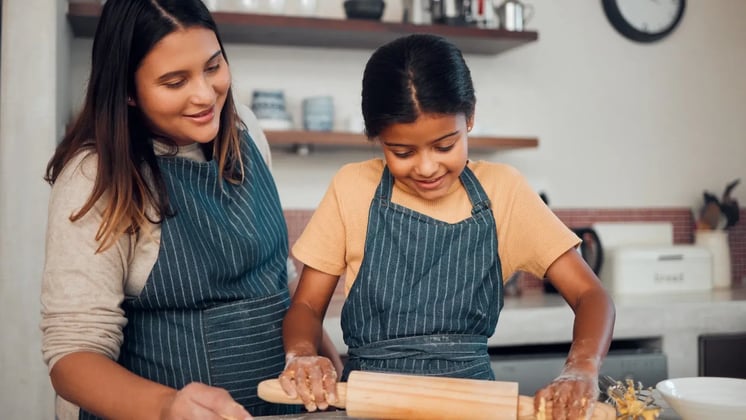
Cooking is a good way through which children can learn about food, follow instructions and take part in family routines. Age-appropriate kitchen activities include simple jobs like washing produce, tearing soft foods, measuring ingredients, stirring and assembling dishes. As children grow, they will eventually take on more complex tasks that need appropriate supervision.
The best cooking activities for kids are matched to their age, abilities, and the level of adult supervision needed. Parents can use these activities to talk about food groups, taste, texture, ingredients and different food traditions without labeling foods as “good” or “bad.” You should keep children away from handling hot surfaces, sharp knives or appliances independently. Adults should also manage tasks that include raw eggs, raw flour and other foods that require careful handling.
Cooking Jobs by Age
Kitchen jobs should be based on a child's individual abilities rather than age alone. While kids are doing this, it is important to have close adult supervision, especially when a child is using unfamiliar equipment.
Toddlers
Toddlers can help wash fruits and vegetables, tear soft leafy greens, mix ingredients with a spoon and place prepared foods into a bowl. They can also help carry lightweight, non-breakable items.
Preschoolers
Preschoolers can measure simple ingredients with help, stir mixtures, use cookie cutters with supervision and assemble sandwiches or fruit cups. Safe, child-sized tools can be introduced when appropriate.
School-Age Children
School-age children can help measure ingredients, follow simple recipe steps, grate suitable foods with close supervision and use age-appropriate cutting tools. Adults should handle sharp knives, hot pans, ovens and other heat-producing equipment unless the child is developmentally ready and directly supervised.
Older Children
Older children can take on more steps of a recipe, including supervised chopping and stovetop tasks when appropriate. Adults should continue to assess the child's skill level and remain responsible for higher-risk tasks.
Five No-Heat or Low-Heat Activities
1. Fruit Cups
Give your kids washed, age-appropriate pieces of fruit and let children arrange them in a bowl or cup. You can talk to them about the different colors, textures, flavors and names of the fruits.
2. Sandwich Assembly
You can give prepared bread, spreads and suitable fillings. Children can layer the ingredients and cut the sandwich with a safe tool under supervision.
3. Raita
With an adult preparing or handling any ingredients that require cutting, children can help add yogurt, suitable prepared vegetables and seasonings to a bowl and stir them together.
4. Trail Mix Alternative

For children who are old enough to safely eat the ingredients, they can mix foods such as cereal, dried fruit and seeds. Avoid whole nuts and other choking hazards for young children, and account for allergies.
5. Simple Food Assembly
Children can assemble foods such as yogurt-and-fruit cups, vegetable wraps or crackers with prepared toppings. Keep ingredients ready to eat and let children practice arranging and combining them.
Other Fun Cooking Activities for Kids
Baking Activities
Baking can involve several child-friendly steps, such as measuring dry ingredients, stirring batter, using cookie cutters, and decorating cooled baked goods. Adults should handle the oven and hot baking trays. Do not let children taste raw dough or batter because raw flour and raw eggs can carry harmful bacteria.
Cleaning Fruits and Vegetables
Give children washed or washable produce and let them help rinse it under running water. Talk about the names, colors, textures and different ways the foods are used in meals.
Making Pizza Faces
Give kids a prepared pizza base, sauce and age-appropriate toppings. Children can spread sauce with a suitable utensil and arrange prepared vegetables or other toppings into simple designs. An adult should handle the oven and hot pizza.
Packing Tiffin Boxes
Children can help arrange prepared foods in a lunchbox. This can be an opportunity to discuss different food groups, colors, textures and the foods that are commonly packed for school or family outings.
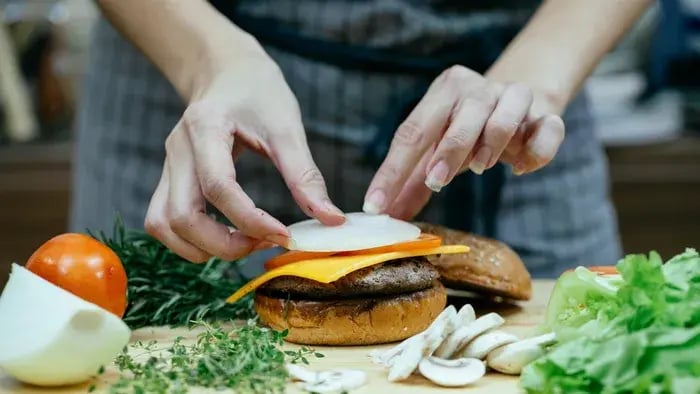
Assembling Burgers
Give children prepared buns, cooked patties and suitable toppings. Children can arrange the ingredients and choose how to build their burger. Adults should handle any hot cooking and ensure meat or other ingredients are cooked safely.
Making a Mocktail

While making a mocktail, children can mix ingredients such as fruit juice, water, chopped fruit or mint in a cup. An adult should handle sharp knives, glassware and any appliance used to prepare the drink. For younger children, avoid ice or other ingredients that could present a choking risk.
Kitchen Safety Checklist
Before starting food activities for kids, teach a few basic kitchen rules:
- Wash hands: Children and adults should wash their hands before preparing or eating food.
- Handle heat carefully: Keep children away from hot pans, ovens, burners and freshly cooked foods unless they are developmentally ready and directly supervised.
- Use knives carefully: Adults should handle sharp knives. Use age-appropriate tools only when the child can use them safely under supervision.
- Use appliances safely: Blenders, mixers, food processors and other appliances should be operated by adults unless a child is specifically ready and supervised.
- Prevent cross-contamination: Keep raw meat, poultry, seafood and eggs separate from ready-to-eat foods. Wash hands, utensils and surfaces after handling raw ingredients.
- Avoid raw tasting: Do not let children taste raw batter or dough containing raw flour or eggs.
- Check allergies: Read ingredient labels and prevent contact with known allergens.
- Consider choking risks: Choose foods and serving sizes appropriate for the child's age and developmental stage.
Nutrition Learning Without Food Moralising
Cooking can be a natural way to talk about nutrition without dividing foods into “good” and “bad.” Parents can discuss food groups, ingredients, taste, texture, colors and how different foods are prepared. Through these activities, children can also learn that food traditions are different between families and cultures. During cooking, you can also talk to children about why certain ingredients are used, where a family recipe comes from or how the same ingredient can be prepared in different ways. Do not pressure children to taste food or disguise vegetables in meals to make them eat them. Let children participate at a comfortable level and respect their preferences while you continue to give them a variety of foods.
Conclusion
Cooking activities for kids can turn everyday food preparation into an opportunity to practice practical kitchen skills and learn about ingredients, food safety and different food traditions. The activity should match the child's age and abilities, and adults should take responsibility for hot surfaces, sharp tools and other higher-risk tasks. You should start with a simple no-heat activity such as assembling a fruit cup or sandwich. As your child becomes more comfortable in the kitchen, you can gradually introduce new jobs while continuing to supervise them appropriately.
Frequently Asked Questions
What cooking activities are safe for kids?

Washing produce, tearing soft foods, stirring, measuring with help and assembling simple foods are suitable starting activities. Supervision should match the child's age and abilities.
Which kitchen jobs suit different ages?
Toddlers can wash and tear, preschoolers can stir and measure with help, and older children can gradually learn more complex preparation tasks under supervision.
How can cooking teach nutrition?
Cooking provides opportunities to discuss food groups, ingredients, taste, texture, cultural food traditions and how different foods can be combined in meals.
What food-safety rules should children learn?
Children should learn to wash their hands, avoid raw batter and dough, keep raw and ready-to-eat foods separate, handle tools carefully and stay away from hot surfaces.
The views expressed are that of the expert alone.