


 Parenting Guide


 Child Health & Growth


 Learning & Skills Development


 Food & Nutrition


 Bournvita





Introduction

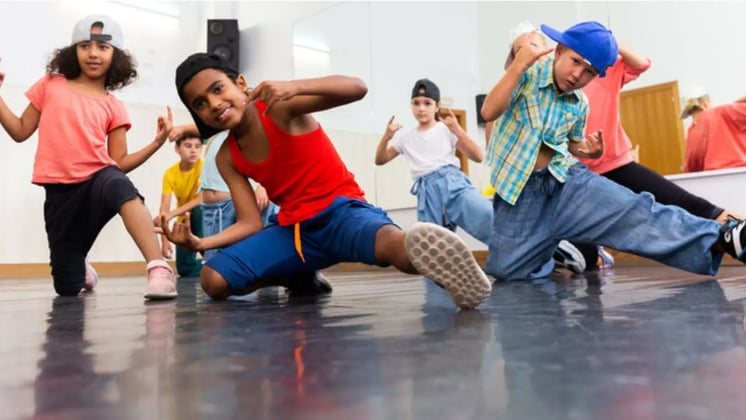
Modern dance styles are a wonderful way for kids of all ages and backgrounds to express themselves. Modern dance for kids is not just about moving to the music; it is about learning, growing, and having fun. Dancing supports a child's holistic development by improving physical health through building strength, balance, and flexibility. For example, Hip-hop, with its energetic movements, improves flexibility and creativity. It also promotes cognitive skills as children learn to follow instructions, remember sequences, and develop spatial awareness. Socially, dancing with others creates teamwork, communication, and empathy. Emotionally, dance allows children to express feelings and gain confidence. This article explores the benefits of modern dance styles such as hip-hop, Bhangra, and Zumba for kids.
Benefits of Dancing for Kids
Physical Health and Fitness
Modern dance styles are an excellent way to improve kids' physical health. It enhances cardiovascular fitness, strengthens muscles, and increases flexibility. Another benefit of dance is that it develops balance and better coordination as they learn different movements and routines. Further, it also builds endurance, helping them stay active and energetic throughout the day.
Cognitive Development
Dancing also helps foster cognitive development in kids. As they memorize various dance sequences, master them with concentration, and try to figure out complex dance steps while coordinating movements of the body, it improves the cognitive development of the child.
Emotional Well-Being and Confidence
Dance fosters creativity as children express themselves without any restraint through music and movement, making it a form of self-expression. They explore their feelings during this process, creating emotional awareness. Mastering new dance skills gives kids a sense of accomplishment, increasing their self-confidence and self-esteem.
Popular Modern Dance Styles for Kids

Hip-Hop
Hip-hop dance is characterized by its energetic and rhythmic movements, often performed to hip-hop or popular music. It encourages creativity and self-expression through freestyle dancing and choreographed routines. Kids learn to groove to the beat, execute sharp movements, and explore style while developing agility and coordination.
Bhangra
Bhangra is an energetic folk dance originating in Punjab. It is a high-energy dance that includes lively music, energetic footwork, coordination with shoulder bounces, energy claps, and circular twirls. This is a perfect dance style that kids would enjoy, and it will also help keep them fit while instilling cultural awareness through dance.
Zumba
Zumba is a high-energy fitness workout that follows simple steps set to joyful music. It has very easy-to-follow routines, including simple twists and turns, which appeal to younger kids. Kids enjoy this activity; furthermore, it also improves their cardiovascular health and uplifts their mood.
Jazz
Jazz dance combines elements of ballet and modern dance. It emphasizes strong, sharp movements, syncopated rhythms, and expressive gestures. Jazz classes for kids focus on developing flexibility, strength, and musicality through upbeat choreography that encourages individual expression and improvisation.
Ballet
Ballet is a classical dance form known for its graceful movements, precise techniques, and formalized positions. It teaches kids discipline, posture, and strength through exercises at the ballet barre and center floor. Ballet classes emphasize proper alignment, balance, and control, helping children develop poise and confidence in movements.
Contemporary
Contemporary dance blends elements of ballet, jazz, and modern dance with a focus on freedom of movement and expression. It encourages dancers to explore emotions and storytelling through fluid, abstract movements. Kids in contemporary dance classes learn to connect with music and convey personal narratives through choreography that challenges creativity and physicality.
Tap Dance
Tap dance uses shoes with metal taps on the soles to create rhythmic sounds through intricate footwork. Kids learn to produce different rhythms and tones while dancing to various musical genres, including jazz and Broadway tunes. Tap classes emphasize timing, coordination, and musicality, creating a sense of rhythm and enjoyment in creating percussive sounds with feet.
Latin Dance
Latin dance styles such as salsa, samba, and merengue involve lively rhythms, hip movements, and expressive gestures. These dances originated from various Latin American cultures and encourage kids to embrace diversity, rhythm, and musicality. Latin dance classes focus on teaching basic steps, partnering skills, and cultural appreciation while fostering confidence and enjoyment in dancing to vibrant and infectious beats.
Other Fun Styles to Try
Acrobatic dance combines dance techniques with gymnastics maneuvers. Acro classes focus on building core stability, body awareness, and spatial orientation while teaching students to execute dynamic and impressive dance sequences. Musical theater dance, on the other hand, integrates acting, singing, and dancing to tell stories through song and dance numbers. It focuses more on storytelling through movement, teaching children to convey emotions and engage audiences in a theatrical context.
How to Choose the Right Dance Style for Your Child
Before choosing any dance style for your child, try to understand your child's interests and his energy level. A dance form becomes enjoyable only when the child's interest lies in it. Whether he likes a structured dance more like ballet or he is more into hip-hop style. Once you choose, take a few trial sessions of the classes to see whether the dance style matches your child's personality. If it does, then commit; if not, try exploring other dance forms.
Conclusion
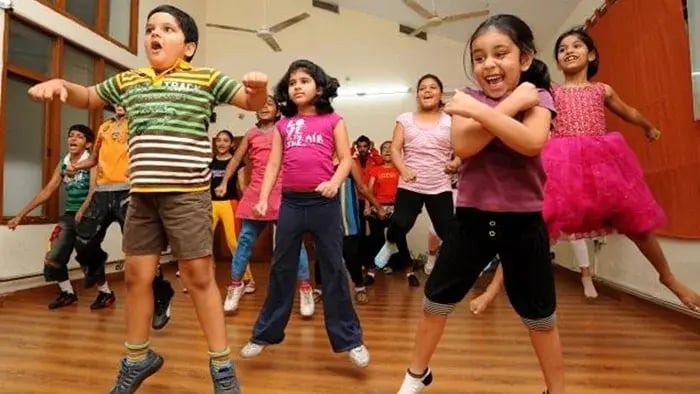
Exploring modern dance styles provides kids with key benefits, including physical fitness, cognitive development, and emotional well-being. Whether through the energetic beats of hip-hop, the energetic footwork of bhangra, or the rhythmic steps of zumba. Explore these modern dance styles and choose which one relates to your child.
FAQs on Dance Styles for Kids
Which dance style is best for building confidence?

The best dance styles depend on the age, energy level, and interests of the child. Choose what suits your child best; start with simple steps in any dance style, then move to advanced. Every accomplishment in this learning journey will build your child’s confidence.
Is Zumba suitable for young children?
Yes, Zumba is suitable for young children, but it must be modified to suit their age; adult Zumba is not appropriate for kids because it is too intense. Parents must look for a Zumba Kids program and then join.
How often should kids attend dance classes?
Kids must make dance part of their daily routine, as it will help in their overall development.
The views expressed are that of the expert alone.
Popular Topics