



 Parenting Guide


 Child Health & Growth


 Learning & Skills Development


 Food & Nutrition


 Bournvita




Introduction

Children are naturally curious about their bodies. Teaching them basic human anatomy for kids can help them understand how different body parts work and why taking care of themselves matters. Learning about anatomy and physiology does not have to feel like a science lesson. Simple fitness activities, everyday observations and playful experiments can make these concepts easier to understand. When children know the basics of their bodies, they can become more aware of movement, nutrition, breathing, exercise and personal safety. This knowledge can also help them understand simple first-aid situations and recognise why healthy habits matter. Here are some easy ways to introduce children to anatomy and physiology through fun activities.
What Is Anatomy?

Anatomy is like a map of the human body. It helps children learn the names and locations of different body parts, including organs, bones, muscles, nerves and the brain.
For example, children can learn that bones provide structure and support, while muscles help the body move. They can also learn where important organs such as the heart and lungs are located.
Understanding anatomy can make children more aware of how their bodies work in everyday situations. Knowing the difference between bones and muscles, for instance, can help them understand why their legs bend and how they move when running or jumping.
What Is Physiology?
If anatomy is the map of the body, physiology explains what happens on that map. It focuses on how different organs and body systems work individually and together.
Children can learn simple examples such as how food is broken down during digestion, how the heart pumps blood around the body and how the lungs help bring oxygen into the body. They can also learn that hormones and other chemical signals help regulate different body processes.
Understanding physiology can help children connect nutrition, exercise and rest with how their bodies function. For example, after running, they may notice faster breathing and a quicker heartbeat and understand that their body is working harder to supply oxygen to active muscles.
Why Teaching Kids About the Human Body Matters
Learning about the human body can help children:
- Develop better awareness of their physical needs.
- Understand why movement, nutritious food and adequate rest are important.
- Learn how muscles, bones, organs and other body systems work together.
- Become more aware of safe movement and basic first-aid concepts.
- Understand changes they may experience as they grow.
- Develop curiosity about science and their own bodies.
Fun Activities to Explore the Human Body Through Fitness
Fitness activities give children an opportunity to learn anatomy and physiology while moving their bodies. These simple activities can turn everyday exercise into an interesting science lesson.
Breathing Exercises: Understanding Lungs and Heart
Ask your child to sit comfortably and slowly breathe in through the nose for about four seconds, then breathe out for four seconds. Repeat several times.
Explain that the lungs help bring oxygen into the body and remove carbon dioxide when we breathe out. During exercise, breathing becomes faster because the muscles need more oxygen. Ask your child to notice how their breathing changes before and after movement.
Body Movement and Rotation: Understanding Blood Circulation
Long periods of sitting can make the body feel stiff. Use simple movements such as arm circles, shoulder rolls and ankle rotations to get the body moving.
Explain that the heart continuously pumps blood around the body through blood vessels. Blood carries oxygen and nutrients to different tissues while helping transport waste products away. Ask your child to notice how their body feels before and after a short movement break.
Running: Understanding Heart Rate and Oxygen Capacity
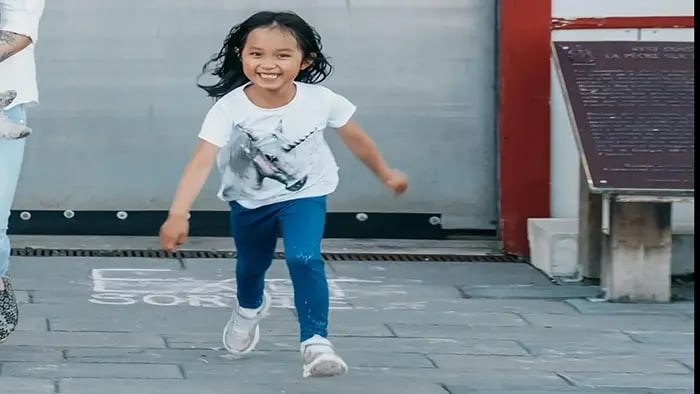
Running is a simple way to show children how exercise affects the heart and lungs. Ask your child to jog slowly for a minute, either outdoors or in place.
Afterward, ask them to place two fingers gently on their wrist and notice their pulse. Compare it with their pulse after resting for a few minutes.
Explain that the heart beats faster during exercise to help deliver oxygen-rich blood to working muscles.
Yoga: Understanding Nerves and Brain Function
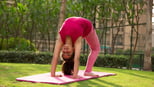
Yoga combines movement, balance, breathing and body awareness. Try beginner-friendly poses such as cat-cow or tree pose with your child.
During the activity, explain that the brain and nervous system communicate with muscles through nerve signals. These signals help the body move, balance and hold different positions.
Ask your child to notice which muscles they feel working and how their balance changes when they stand on one foot.
Sports: Understanding Physiology and Metabolism
Sports provide an easy way to teach children about several body systems at once. Activities such as swimming, football, basketball and cycling require the heart, lungs, muscles and brain to work together.
Explain that the body gets energy from food and uses that energy to power movement. During longer activities such as cycling or swimming, children can learn about endurance. Quick activities such as sprinting or jumping can demonstrate short bursts of energy.
Simple Ways to Reinforce Body Awareness at Home
- Learning about physiology for kids does not have to stop after an exercise session. Parents can use simple everyday activities to reinforce what children have learned.
- Use a body-part chart: Label major organs, bones and muscles together.
- Try mirror games: Ask children to identify different body parts or copy your movements.
- Talk after exercise: Ask, “Is your heart beating faster?” or “How does your breathing feel?”
- Connect food with function: Explain how meals provide energy that the body uses for movement and daily activities.
- Encourage questions: If your child asks why their heart beats faster or why they sweat, use it as a learning opportunity.
- Create simple challenges: Ask them to point to their lungs, heart, knee or elbow on a body diagram.
Conclusion
Learning about the human body can help children become more curious, confident and aware of how their bodies function. By combining simple anatomy lessons with breathing exercises, running, yoga and sports, parents can make science practical and enjoyable. The aim is not to memorise complicated terms but to help children understand the connection between movement, nutrition, rest and body function.
Frequently Asked Questions
At what age should kids start learning about anatomy and physiology?

Young children can start with basic body-part names and simple functions. As they grow, parents can gradually introduce organs, body systems and more detailed physiological concepts.
How can I make learning about the human body fun for my child?
Use movement, games, body charts, drawing and simple observations. Activities such as checking their pulse after running can turn everyday experiences into fun science lessons.
Why is it important for kids to understand how their body works?
Basic body knowledge helps children understand movement, nutrition, exercise and personal safety. It can also encourage curiosity and healthier habits as they grow.
Her love for storytelling began with reading her grandfather’s speeches, where Tarishi saw the power of words in creating lasting memories. Combining her passions for food and writing, she has turned her life into a fulfilling path of sharing stories that celebrate flavours and how food brings communities together.
The views expressed are that of the expert alone.
Popular Topics