




 Parenting Guide


 Child Health & Growth


 Learning & Skills Development


 Food & Nutrition


 Bournvita





Introduction
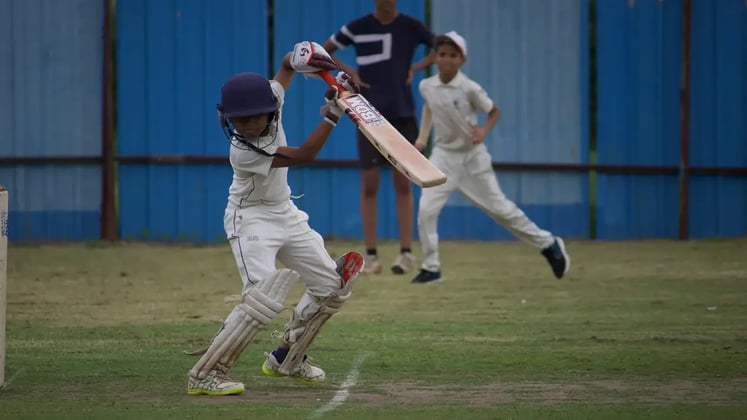
Children are very curious about what is happening worldwide, especially sports and hobbies. Sports activities induce healthy engagement and excitement in children. It is no surprise that children take inspiration from famous sports figures such as Sachin Tendulkar and Mahendra Singh Dhoni.
Sports help children gain fitness and teach them much beyond fitness and exercise. Sports induce feelings of patriotism and curiosity in children, too. If you are the parents of a child who is a sports freak and want to know more about sports from around the world, help them with this list to explore it better.
Get a glance at popular indoor and outdoor sports in India. Use your child's love for sports to help them learn and play around various morals, gaining an active lifestyle.
What Can Sports Teach Us About Culture?
Sports provide an authentic and interactive lens on various cultures, as the sports played by a community often mirror its history, geography, and values in ways that are accessible and enjoyable for children to engage with. A sport that developed in a mountainous environment may reflect the environment from which it developed by focusing more on different physical skills than a sport that developed in a coastal or metropolitan environment.
Traditional sports, in particular, can have a substantial cultural or historical significance, sometimes connected with festivals, rites of passage, or a sense of community identity, that goes far beyond the game itself. Learning about sports from around the world provides children with a concrete, accessible entry point into broader cultural learning, as a shared love of movement and competition can make an unfamiliar culture feel more tangible and less abstract than lessons in history or geography alone can.
Popular Sports by Continent
- Asia: Cricket is hugely popular in South Asia, and sports such as table tennis, badminton, and martial arts traditions have strong followings across East and Southeast Asia.
- Europe: Football is the most widely played and watched sport on the continent, but there are also strong traditions in cycling, rugby, and a number of winter sports.
- Africa: Football is similarly dominant across much of the continent, alongside strong traditions of athletics and a variety of traditional sports and styles of wrestling particular to the region.
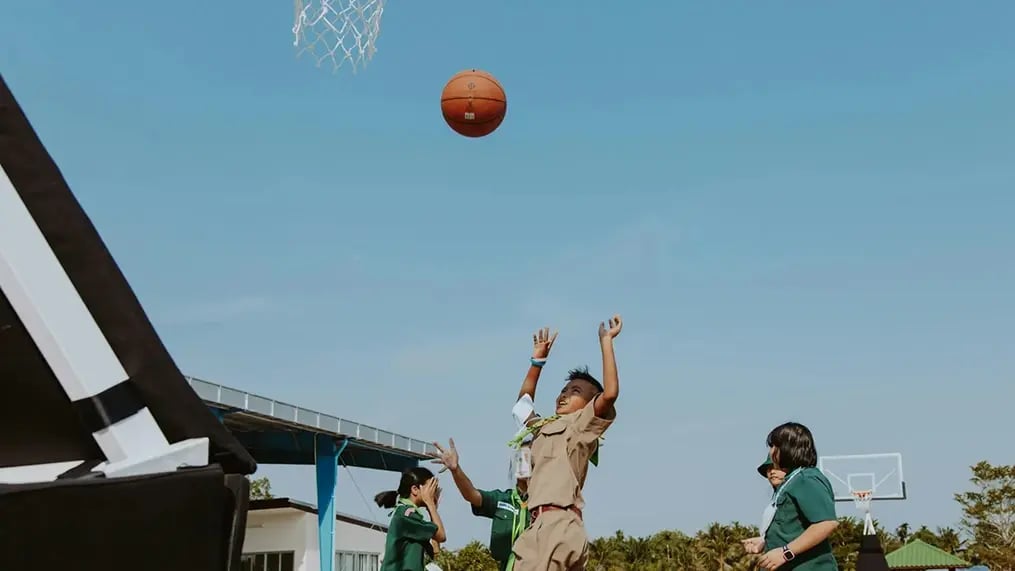
- North America: Baseball, American football, basketball, and ice hockey are all popular sports of cultural importance on the continent. Popularity varies by region in every place.
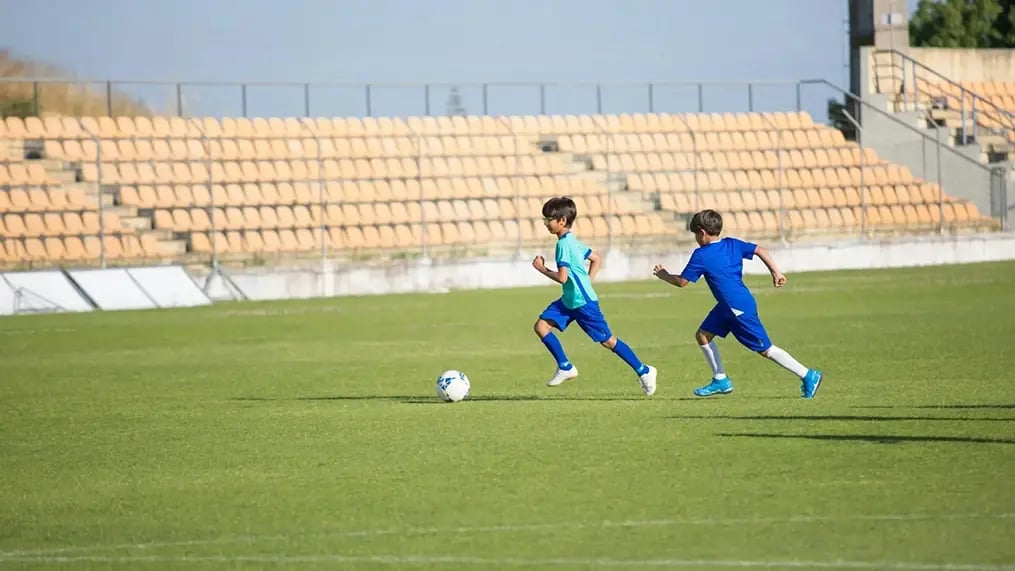
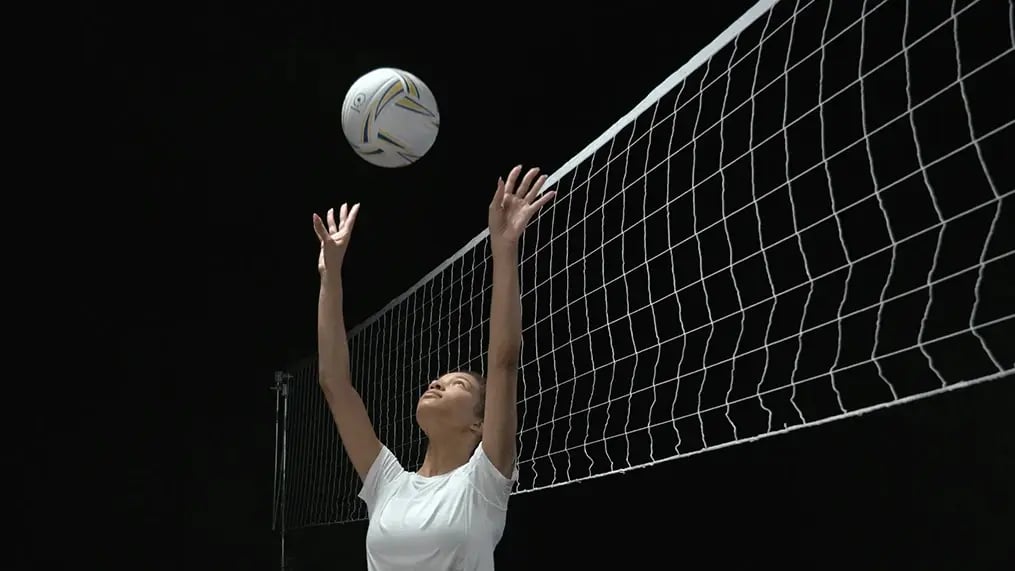
- South America: Football is an integral part of the culture throughout the continent, and, depending on the country, volleyball and other sports have strong traditions.
Popularity naturally varies greatly by country and region within each continent, so these broad patterns are general tendencies, not hard-and-fast rules.
Traditional Sports Around the World
- Kabaddi:A contact team sport originating from South Asia, where a "raider" tags opponents while holding their breath and chanting, testing strength and breath control.
- Sumo Wrestling:A traditional Japanese wrestling sport with strong ceremonial and cultural functions. Two wrestlers try to push each other outside the circular ring.
- Sepak takraw: It is a popular sport in Southeast Asia, similar to volleyball but played with the feet, head, and chest instead of the hands, and it requires great agility and coordination.
- Hurling:A stick-and-ball sport from Ireland, it is considered to be one of the oldest field sports in the world and is closely connected to Irish cultural identity.
Each sport has its own rules, techniques, and cultural context that is worth exploring further, as this brief description only scratches the surface of their full history and significance.
Try a World Sports Activity at School
- Kabaddi: A safe, touchless version based on the idea of “raiding” and “tagging” from the game of kabaddi, played as a game of tag instead of the full contact original version.
- Foot volleyball: Introduce the basic concept of sepak takraw with a soft, light ball and simpler rules involving the use of the feet instead of hands, but not in a competitive environment.
- Balance and strength issues:Don't go for Sumo Wrestling techniques. Think more of basic Sumo-inspired balance games (like a gentle pushing-hands balance challenge on a mat).
- Target games and stick: Introduce simple hand-eye coordination games based on the stick and ball skills of hurling but using soft equipment that is suitable for a classroom or gym setting.
Such adaptations emphasize the core skills and spirit of each traditional sport, removing full-contact or advanced elements so that they are safe and accessible in a classroom or physical education setting.
Conclusion
Now that you know about different indoor and outdoor sports, all over the world, including India, make sure your children are given some options when they are looking to pursue a kind of sport as a hobby or a career. Each sport holds different moral values, which can help them learn and play simultaneously.
Frequently Asked Questions
What are popular sports around the world?

Football, cricket, basketball, and regional games such as kabaddi or sepak takraw are all hugely popular in different parts of the world.
Which sports began in Asia?
Kabaddi and sepak takraw originated in South and Southeast Asia, alongside long-standing traditions such as sumo wrestling in Japan.
What are traditional sports?
Traditional sports and games like kabaddi, sumo, and hurling are actively played even today and often have deep cultural and historical significance.
How can students explore global sports safely?
Traditional sports can be safely introduced to children in the gym or classroom in non-contact, simplified versions, with soft equipment and modified rules.
Smriti is a content writer who creates clear, practical, and informative content backed by science and relevant data. With a strong understanding of structured writing, she breaks down complex topics into simple, actionable insights. Her work is focused on helping readers prepare, learn, and grow with confidence and clarity.
The views expressed are that of the expert alone.