




 Parenting Guide


 Child Health & Growth


 Learning & Skills Development


 Food & Nutrition


 Bournvita






Introduction
Good habits play an important role in helping children grow into confident, responsible, and caring individuals. The small choices children make every day, such as brushing their teeth, keeping their surroundings clean, studying on time, and treating others with kindness, can shape their future in positive ways. Learning these habits early helps children build discipline and independence while making daily routines easier to follow.
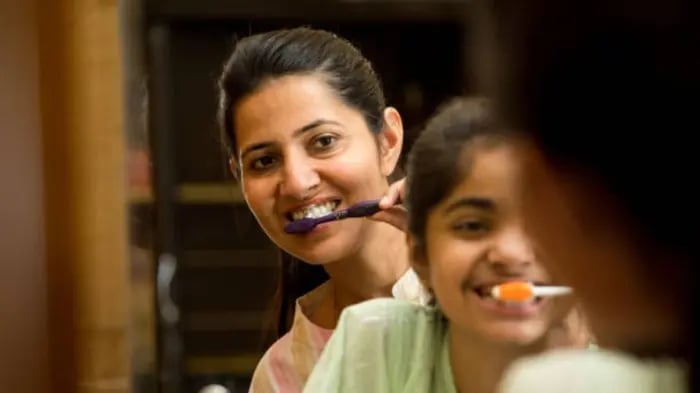
Parents and teachers often look for simple ways to encourage healthy routines. Morning schedules, bedtime rituals, reading time, and family activities can all become opportunities to teach valuable life lessons. Personal grooming is also part of developing good habits. Simple routines like combing hair, washing hands, and choosing neat kids hairstyles for girls or tidy haircuts for boys can help children understand the importance of self-care and cleanliness.
Good habits do not develop overnight. They grow through regular practice, gentle reminders, and positive encouragement. Whether it is saying "thank you," completing homework, helping with chores, or maintaining clean kids hairstyles for girls before school, every small effort contributes to a child's overall development.
These practical habits can help children stay organized, healthy, and kind while building confidence in everyday life. The following ideas cover daily manners, hygiene, study routines, and acts of kindness that are easy for families to encourage.
Good Habits For Kids From Daily Manners, Hygiene, Study, To Kindness Habits With Kids Hairstyles For Girls
Building healthy routines helps children become more confident and responsible. Simple daily practices, including personal grooming like maintaining neat kids hairstyles for girls, can make everyday life more organized and enjoyable. These habits encourage independence while teaching valuable life skills.
Start Every Day with a Morning Routine
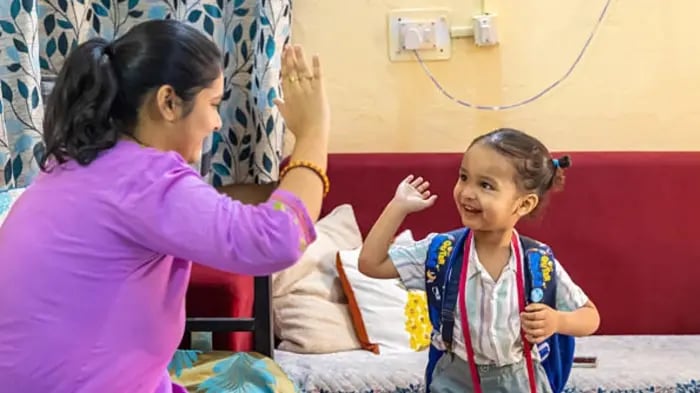
A structured morning routine helps children begin the day calmly and confidently. Waking up on time, making the bed, brushing teeth, washing the face, and getting dressed teach responsibility. Simple grooming habits, including combing hair and choosing practical kids hairstyles for girls for school, help children feel neat and prepared.
Practice Good Personal Hygiene
Personal hygiene is one of the most important habits children can develop. Regular handwashing, bathing, trimming nails, and brushing teeth help maintain health and cleanliness. Hair care should also become part of the routine. Simple and comfortable kids hairstyles for girls can make it easier to keep hair tidy during school and playtime.
Use Polite Words Every Day
Good manners help children build positive relationships with others. Saying "please," "thank you," "sorry," and "excuse me" shows respect and kindness. Greeting family members, teachers, and friends politely creates a welcoming environment. Children who practice good manners often find it easier to make friends and communicate confidently.
Keep Study Time Organized
Setting aside a regular time for homework and reading helps children develop discipline and better learning habits. A clean study area with books and supplies arranged neatly makes focusing easier. Encouraging children to review school lessons every day can reduce stress and improve confidence during tests and classroom activities.
Learn to Keep Things Clean and Organized
Children benefit from learning to put toys away, organize school bags, and tidy their rooms. Keeping belongings in their proper place teaches responsibility and independence. Even simple habits like folding clothes or arranging grooming items for neat kids hairstyles for girls can become part of an organized daily routine.
Develop Healthy Eating Habits
Nutritious meals support growth and provide energy for learning and play. Encouraging children to eat fruits, vegetables, whole grains, and balanced meals helps create healthy lifelong habits. Family mealtimes can become opportunities to teach gratitude, table manners, and the importance of making thoughtful food choices.
Show Kindness to Others
Kindness is a habit that helps children build meaningful relationships. Sharing toys, helping classmates, comforting friends, and respecting others encourage empathy and compassion. Small acts like thanking teachers or helping siblings with simple tasks can make a positive difference.
Spend Time Reading Every Day
Reading helps improve vocabulary, imagination, and concentration. Even fifteen to twenty minutes of daily reading can become a valuable habit. Storybooks, poems, educational magazines, and family reading sessions make learning enjoyable. Reading together also provides opportunities to discuss ideas and values while strengthening communication skills between parents and children.
Stay Active and Play Outdoors
Physical activity is an essential part of a healthy routine. Outdoor games, cycling, dancing, sports, and family walks help children stay fit while improving coordination and teamwork. Active play also supports emotional well-being by reducing stress and encouraging social interaction. Comfortable clothing and practical kids hairstyles for girls can make outdoor activities easier.
End the Day with Gratitude and Reflection
A peaceful bedtime routine helps children relax and prepare for the next day. Talking about positive experiences, expressing gratitude, and planning for tomorrow encourages emotional growth. Brushing teeth, washing up, arranging school items, and preparing neat kids hairstyles for girls accessories for the next morning can become calming bedtime habits.
Conclusion
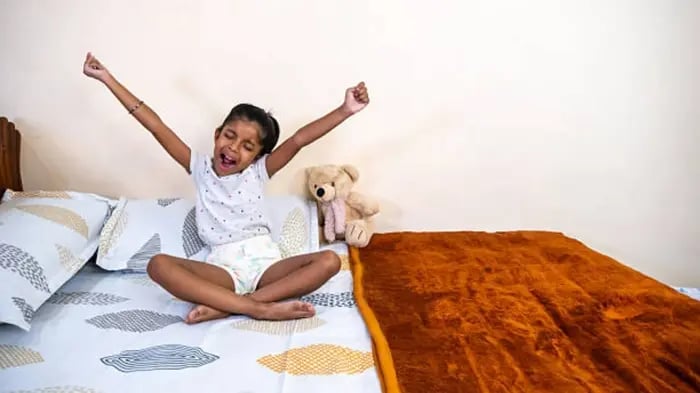
Good habits help children build confidence, responsibility, and kindness through simple daily actions. Small routines like good manners, hygiene, study time, healthy eating, and self-care, including neat grooming practices, can create lifelong benefits. With patience and encouragement, these habits become valuable skills that support happy and healthy growth.
Frequently Asked Questions
What are the most important good habits for kids?

Good habits for kids include brushing teeth, washing hands, eating healthy food, studying regularly, being kind, and respecting others.
How can parents encourage good habits in children?
Parents can build routines, set positive examples, offer encouragement, and make daily habits fun and consistent.
Why are good habits important for child development?
Good habits help children become responsible, confident, healthy, and respectful while supporting lifelong learning and positive behavior.
Her love for storytelling began with reading her grandfather’s speeches, where Tarishi saw the power of words in creating lasting memories. Combining her passions for food and writing, she has turned her life into a fulfilling path of sharing stories that celebrate flavours and how food brings communities together.
The views expressed are that of the expert alone.
Popular Topics