




 Parenting Guide


 Child Health & Growth


 Learning & Skills Development


 Food & Nutrition


 Bournvita





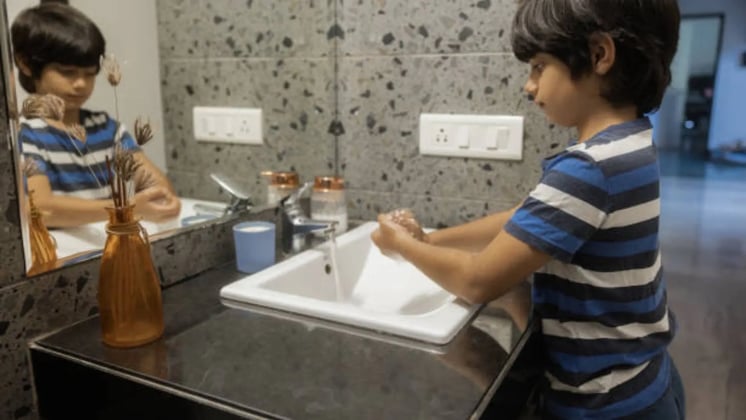
Introduction
Good hand hygiene is one of the simplest habits children can learn for a healthy and active life. Hands touch toys, books, school desks, playground equipment, pets, and many other everyday objects. Along the way, they can pick up dirt and germs that may spread from one place to another. Teaching children to wash their hands properly helps them understand the importance of cleanliness and personal responsibility in a fun and practical way.
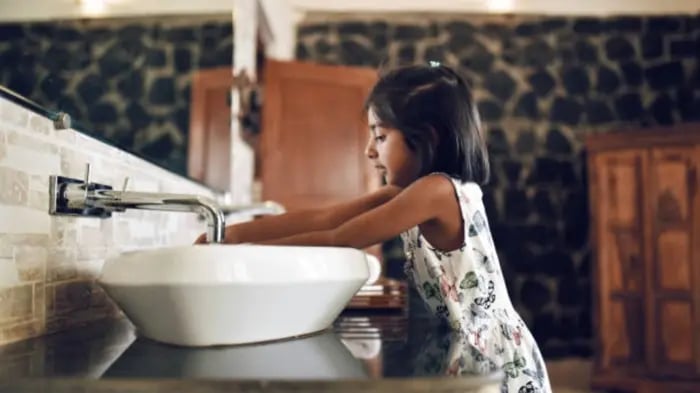
Simple routines can make handwashing an easy daily habit. Whether before meals, after outdoor play, or after using the restroom, clean hands help children feel fresh and ready for their next activity. The best hand washing for kids practices combine proper technique with positive encouragement rather than making hygiene feel like a chore.
Fun songs, games, and colorful soaps can make hand washing for kids more exciting for different age groups. Small daily habits often become lifelong skills that support health and confidence. Learning the right steps, understanding why clean hands matter, and enjoying creative hygiene activities can help children build healthy routines. Here is a complete guide to hand washing for kids, including easy steps, benefits, and enjoyable activities.
Hand Washing for Kids: Easy Steps for Clean Hands
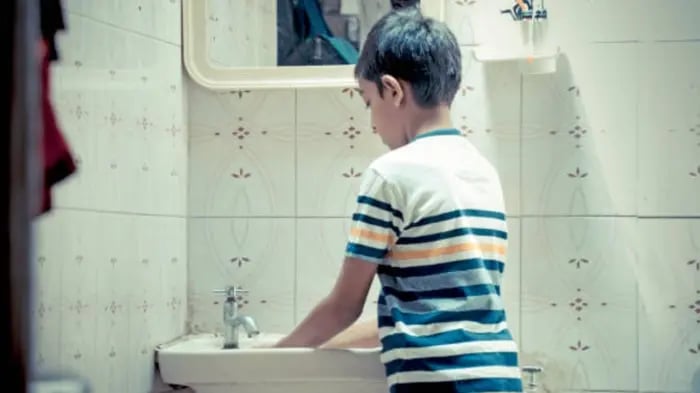
Learning proper hand washing techniques for kids helps children build healthy habits that can last a lifetime. Following simple steps ensures that dirt and germs are removed effectively while making hand washing a regular part of the day.
Wet Hands
Wet hands with clean running water before applying soap. Water helps loosen dirt and prepares the hands for effective cleaning.
Apply Soap
Use enough soap to cover both hands completely. Soap helps lift away dirt and germs that may stick to the skin.
Rub Palms Together
Rub both palms together to create a good lather. This spreads the soap evenly and starts the cleaning process.
Clean Between Fingers
Rub between the fingers and around the thumbs carefully. These areas are often missed during quick hand washing.
Wash the Back of Hands
Scrub the backs of both hands and around the wrists. Germs can collect in these spots during daily activities.
Clean Fingertips and Nails
Rub fingertips against the palms to clean under the nails. Dirt can hide beneath fingernails after playing or crafting.
Scrub for 20 Seconds
Continue rubbing all parts of the hands for about 20 seconds. Singing a short song can make the time pass quickly.
Rinse Well
Wash away all the soap under clean running water. Rinsing removes loosened dirt and germs.
Dry Hands
Use a clean towel or air dryer to dry hands completely. Dry hands are more comfortable and ready for daily activities.
Turn It Into a Habit
Practice these steps before eating, after using the restroom, after coughing or sneezing, and after outdoor play. Regular practice makes good hygiene automatic.
Why Hand Washing for Kids Is Important
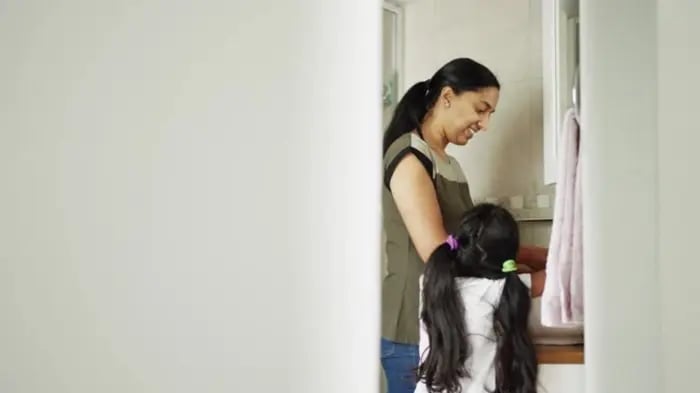
Good hand washing for kids habits protect health while teaching responsibility and self-care. Clean hands support everyday activities and help children stay active and confident.
Helps Reduce Germs
Hand washing removes many germs picked up from surfaces and shared objects. Clean hands reduce the risk of spreading illness.
Supports Healthy School Habits
Children touch books, desks, and classroom supplies throughout the day. Washing hands before meals and after activities helps maintain cleanliness.
Encourages Independence
Learning proper hand washing gives children a sense of responsibility. They become more confident in caring for their own health.
Protects Family Members
Clean hands help reduce the spread of germs at home. Healthy habits can benefit everyone in the family.
Builds Lifelong Hygiene Skills
Daily hand washing creates routines that children can continue into adulthood. Small habits learned early often last for life.
Fun Hygiene Activities for Kids
Creative activities can make hand washing for kids more exciting and encourage regular practice. Fun learning often helps healthy habits stick.
Hand Washing Song
Sing a favorite 20-second song while washing hands. Music makes the activity enjoyable and helps children wash for the right amount of time.
Glitter Germ Game
Place a little glitter on children's hands to represent germs. Washing it off shows how soap and water help clean hands properly.
Colorful Soap Challenge
Use different scented or colorful soaps to make hand washing interesting. Children often enjoy choosing their favorite.
Hygiene Reward Chart
Create a sticker chart for regular hand washing. Celebrating good habits can encourage consistency without pressure.
Handprint Art Activity
After washing their hands, children can make colorful handprints on paper using safe paint. The activity connects cleanliness with creativity and fun.
Conclusion
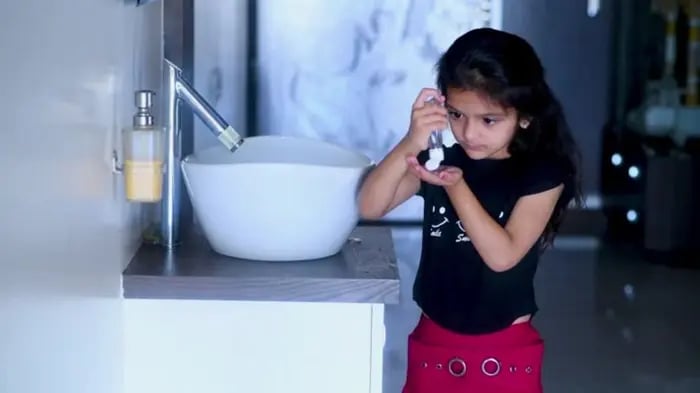
Simple hand washing for kids habits help children stay clean, active, and confident while supporting overall health. Learning the correct steps and enjoying fun hygiene activities can make hand washing an easy part of everyday life that benefits both children and their families.
Frequently Asked Questions
Why is hand washing for kids important?

Hand washing for kids helps remove dirt and germs, supports good hygiene, and encourages healthy daily habits.
How long should children wash their hands?
Children should wash their hands with soap and water for about 20 seconds, making sure to clean all areas of the hands.
What are fun ways to teach hand washing for kids?
Songs, glitter activities, reward charts, colorful soaps, and creative games can make hand washing enjoyable and easy to remember.
Her love for storytelling began with reading her grandfather’s speeches, where Tarishi saw the power of words in creating lasting memories. Combining her passions for food and writing, she has turned her life into a fulfilling path of sharing stories that celebrate flavours and how food brings communities together.
The views expressed are that of the expert alone.
Popular Topics