



 Parenting Guide


 Child Health & Growth


 Learning & Skills Development


 Food & Nutrition


 Bournvita





Introduction
Education in its purest form is essentially the process of being prepared for life. Every subject and notion studied as a part of education has a purpose. What takes place inside the classroom only makes up a small fraction of the preparation a child needs for life. They need to be ready for anything that life throws their way. For those wondering what else can teach kids this, if books can’t? The answer is plain and simple –extra-curricular or after-school activities.
The ancient Gurukul system is the perfect example of what quality and holistic education should be. More than theoretical lessons, the prime focus was to encourage physical activities like sports, yoga and walks and it emphasized learning skills such as art, craft, singing and dancing. Based on applied knowledge, it prepared an individual for all fields of life, along with mindful and spiritual awareness. No wonder, people from Europe, the Middle East, and Portugal came to India seeking quality education.
Unfortunately, because of our highly sedentary lifestyles, extracurricular activities are increasingly being pushed to the backseat nowadays. Our children have become less interested in hobbies and other enrichment activities as a result of the increasing need to demonstrate academic excellence. Plus, the lure of screen time has become another deterrent in terms of nourishing mental and physical activity, leaving absolutely no time for proper exercise for kids. Rarely do we witness parents encouraging the younger generation to pursue their passions and goals. It’s high time we challenge the realm of the conventional education system and encourage alternative kids’ activities such as sports, cookery, music, dance, martial arts, art & craft, yoga etc.
What Exactly Constitutes an After-School Activity?
By definition, extracurricular activities are those that are “outside the regular curriculum or program of courses”. It gives your kid a chance to learn something that might stick with them forever. That aptitude could serve as the foundation for a long-lasting interest or passion.
How Does It Benefit Overall Child Development?
Spending hours doing something they enjoy could result from anything, from participating in sports to learning an instrument.
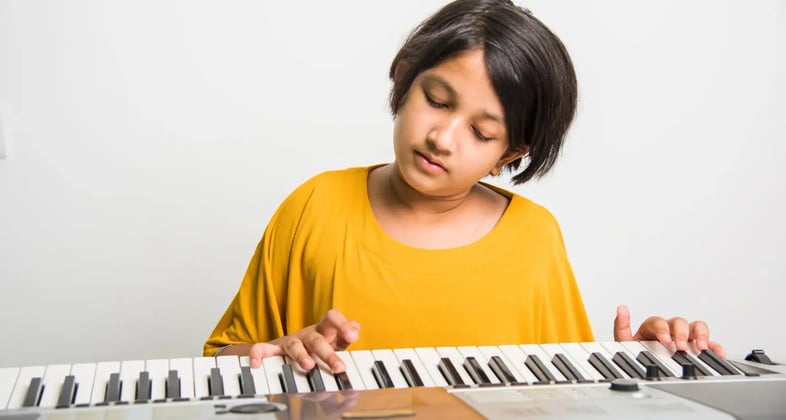
In addition, extracurricular activities foster important personality qualities and life skills that can be useful in other spheres of life. Sports are essential for fostering collaboration, leadership, and problem-solving abilities. Playing an instrument demands patience, good hand-eye coordination, and imagination above all. These are abilities that will be useful long after their education is over.
- It provides a breather from the intense academic duties.
- It develops thinking skills among other learnings.
- They learn to mingle with kids who are not from their immediate surroundings hence enhancing social skills.
- It presents real-life situations based on what a student learns in the classroom.
- It gives the child an opportunity to present their knowledge in a new environment.
- It builds the child’s confidence by putting them in tough situations.
- It brings out the hidden talent which would otherwise go unnoticed.
- It teaches them to balance things and decide what is important and what’s not.
- It teaches them time management skills – studies and after-school activities.
- It teaches them to be responsible.
- Sports help in keeping the body and mind healthy.
- Debates and drama are other enrichment activities that help in stimulating creative thinking.
- They help them supplement classroom teaching and keep them interested in school.
- It prepares the child for anything that life throws at them/vital skills like team spirit, leadership, honesty, tolerance and perseverance
- It helps the children stay safe and engage in constructive activities while parents are away at work.
What Are the Different Types of After-School Activities?
You may be surprised at the sheer number of after-school activities that are available in schools and communities around you. Here is only a small sample of outdoor as well as indoor activities for kids that can be available close to you.
- Mainstream sports– swimming, football, cricket, basketball, hockey, badminton, gymnastics, skating etc
- Alternative physical activity– adventure sports, rock climbing, martial arts like karate, taekwondo, judo
- Scouts– teaches basic outdoor survival skills
- Performing arts– dance, music, singing, theatre
- Visual arts– drawing, painting, pottery, arts and crafts etc
- Academic clubs– maths, chess, reading, debates, storytelling
After-School Activities by Age and Interest
| Age Group | Sports | Arts | STEM | Life Skills | Quiet Activities |
| Younger Children (5-8) | Swimming, gymnastics | Drawing, music basics | Simple building blocks/robotics kits | Basic chores, sharing | Storytime, puzzles |
| School-Age Kids (9-12) | Football, martial arts | Painting, drama | Coding basics, science clubs | Time management, teamwork | Reading clubs, board games |
| Teens (13-18) | Team sports, athletics | Advanced music, theater | Robotics, computer science | Budgeting, leadership roles | Journaling, book clubs |
Dos and Don’ts While Choosing an Activity
Picking an after-school activity involves keeping an eye out for a few things. It depends on the activity, of course, but we also advise that you look at the following.
Do’s
- Find out the kid’s interest levels
- Find an activity that sounds interesting or fun
- Check if the school offers anything
- Explore local newspapers, bulletin boards, and social media that carry ads about such programs
- Enquire among peer groups or the local community
Don’ts
- Overschedule the activities
- Let it affect their homework
- Cut back on time with friends and families
- Let it affect their eight hours of sleep
- Burden them with unwanted pressure to excel in everything
How Many Extracurricular Activities Are Too Many?
Other signs of overload include slipping grades, chronic fatigue, or a reluctance to do things they used to enjoy. Don’t fill every day for your child; let your child help decide their own schedule. Make sure there’s enough time for homework, sleep, and unstructured downtime, because overscheduling often squeezes out the rest that children really need. Consider the travel time between activities and home, and make sure the overall costs are manageable for your family. Financial strain can add to the stress beyond the child’s own experience.
Conclusion
Talking to your child’s instructors, other parents and community leaders about available options in your area is essential for figuring out which classes and activities are a good fit for your child. Above all, be open-minded and fearless while allowing your child to explore new things. A kid or teen who may be uninterested in one activity or lack motivation for it could discover their actual passion in another.
Frequently Asked Questions
What are the best options for beginners?

A good start is just one sports class a week, or an art class, or something like that. Before you get into more structured commitments.
How often should children practise?
One to three activities a week is generally manageable, with time left for rest, homework, and free play.
What safety tips should parents follow?
As commitments increase, ensure proper supervision and suitable equipment for physical activity, and be alert to signs of fatigue or burnout.
How can parents choose an age-appropriate option?
Match your activities to your child’s interests and developmental level—what they like and what they can do will change over time.
Smriti is a content writer who creates clear, practical, and informative content backed by science and relevant data. With a strong understanding of structured writing, she breaks down complex topics into simple, actionable insights. Her work is focused on helping readers prepare, learn, and grow with confidence and clarity.
The views expressed are that of the expert alone.