



 Parenting Guide


 Child Health & Growth


 Learning & Skills Development


 Food & Nutrition


 Bournvita





Introduction
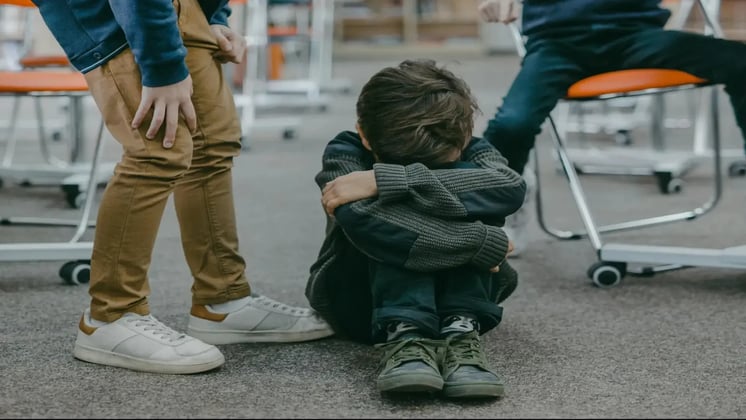
Bullying has been prevalent in society for a very long time. Understanding its impact and ensuring that awareness is continuously inculcated in parents and children is becoming more than essential.
Nowadays, as the world is modernizing, the generation's sensitivity is also increasing, which can easily lead to sensitive or bullying-prone situations easily. Unfortunately, different types of bullying have emerged, directly or indirectly hurting the feelings of children. Bullying from social media platforms or online, indirect commenting and catcalling, and various manipulative mind games and tricks; sadly, the list is endless.
It has become essential for parents to keep an eye out for this evil, making sure that the child is not the victim. Keep on reading to learn more about it.
What Counts as Bullying?
Bullying is generally defined as persistent, deliberate, aggressive behavior involving a perceived or actual power imbalance between the individuals involved, regardless of whether that power stems from physical size, social standing, numbers, or another type of influence. This sets bullying apart from harassment, which can happen even in the absence of repetition if it is severe or based on a protected characteristic like race, disability, or identity, as well as from regular conflict between peers of roughly equal standing and one-time teasing that isn't part of a recurring pattern. Recognizing which category a situation falls into matters because the appropriate response, and the urgency of that response, can differ meaningfully between a single instance of teasing and an ongoing, targeted pattern of harassment.
What Are Different Types Of Bullying?
Physical Bullying
Physical bullying is when someone hurts their body or their stuff. It includes hitting, kicking, pinching, spitting, tripping, shoving, and taking or breaking someone’s things. This is usually the easiest to see because injuries, torn clothes, or missing items are obvious. But unexplained bruises are worth a gentle chat because sometimes kids hide them because they’re scared. Target children may begin to avoid places such as the school bus, restrooms, or playground.
Verbal Bullying
Verbal bullying uses words to hurt people. Examples include name-calling, teasing, taunting, threats, and mean or inappropriate comments about a person's appearance, abilities, or family. To the person making these comments, they may seem like jokes, but repeated insults can chip away at a child’s confidence over time. Children affected may become quiet, anxious, or unwilling to go to school. Things often get worse when people watching laugh or join in.
Social or Relational Bullying
Social bullying involves damaging a child’s reputation or relationships, often behind his or her back. It includes deliberately leaving someone out, spreading gossip, telling others not to be friends with them, and embarrassing them in public. Because nothing physical is going on, adults may write it off as a friendship problem. But being alone can be very painful, especially during the school years. It can happen in any friend group, and a child may suddenly find themselves left out of invitations or ignored at lunch.
Cyberbullying

Phones, social media, gaming sites, messages, or email are used to cyberbully. It can include hurtful comments, embarrassing photos, fake profiles, or threats posted online. It can follow a child home and reach a large audience in seconds (unlike other types), and posts can be hard to remove. Reporting it, screenshots are very useful. It’s good to block the sender and report the content to the platform, as this type of thing can happen at any hour.
Prejudice-Based Bullying
Bullying based on prejudice targets someone due to identity, such as race, religion, disability, gender, or sexual orientation. It can be verbal abuse or exclusion or online harassment, so it often overlaps with the others. It should be taken seriously in schools, and there should be clear policies and open discussions about respect so children who experience it feel safe to be themselves.
What a Child Can Do in the Moment
- Go to a safer place: If possible, moving toward a public area, a teacher, or other adults can reduce immediate risk and de-escalate the situation.
- Use a short, firm boundary only if it feels safe: A simple, calm phrase like "stop" can occasionally de-escalate a situation, but a child should never be asked to confront a bully if doing so feels uncomfortable.
- Avoid revenge: Responding with physical aggressiveness or increasing insults can aggravate the situation and sometimes leads in the youngster being blamed alongside the person tormenting them.
- Stay near supportive peers: Bullying often decreases when a child isn't isolated, so staying near friends or a trusted group can offer some protection.
- Tell a trusted adult as soon as possible: Reporting the issue as soon as possible is an essential, non-negotiable action that should not be viewed as a show of weakness by any member of the school staff, including teachers and parents.
What Parents Should Do After a Report
- Listen fully before reacting. Let your child share the complete situation without interrupting, since a rushed or emotional reaction can make a child hesitant to share more.
- Thank your child for telling you. Acknowledging the courage it took to report the situation reinforces that coming forward was the right choice.
- Assess immediate safety. Determine whether your child is safe right now, and whether any urgent action, like contacting the school immediately, is needed.
- Document the facts. Write down dates, locations, what happened, and who was involved as soon as possible, while details are fresh and accurate.
- Contact the school or organization. Share your documentation and request a clear plan of action from the appropriate staff.
- Agree on a follow-up plan. Establish a specific timeline to check whether the situation has actually improved, rather than assuming one conversation resolved it.
- Monitor your child's wellbeing. Continue checking in emotionally, watching for signs of ongoing distress even after the immediate situation is addressed.
How to Handle Cyberbullying
- Preserve evidence right away. Screenshot messages, posts, or comments before they can be deleted, including dates and usernames where visible.
- Avoid retaliating online. Responding with anger or counter-insults can escalate the situation and sometimes shifts blame onto the person retaliating.
- Block and report the person. The majority of platforms permit direct blocking and reporting of abusive accounts, which should be done right away.
- Tighten privacy settings. Reviewing and restricting who can contact or view your child's profiles reduces further exposure.
- Engage the school and the platform. Many platforms have formal reporting processes for harassment, and schools often have policies covering cyberbullying that affects students, even when it happens outside school hours.
- Contact authorities for threats or unlawful content. Any credible threat of violence, sexual content involving a minor, or other illegal material should be reported to police immediately, in India via 112, rather than handled solely through platform reporting.
When Urgent Mental Health or Safety Help Is Needed
Certain situations require immediate action rather than following the standard reporting steps above. Even if a child mentions self-harm or suicidal ideas in passing or hypothetically, it should be treated seriously right away and promptly reported to a crisis resource or mental health expert. When there are credible threats of violence, whether they occur in person or online, school administrators and, if necessary, the police should get involved right away.
Instead of being handled casually, any physical assault, sexual harassment, stalking, or extortion—including threats to share private photos—should be immediately reported to the school and the police. If a child is in immediate danger, contacting emergency services directly, 112 in India, takes priority over every other step outlined in this guide. These situations move beyond typical bullying responses and require professional intervention to ensure a child's safety.
Conclusion
Now that you know about the various aspects of how bullying affects mental health and how it can be addressed. Parents should make sure to constantly support their child through motivational encouragement and therapy sessions when needed. Bullying is a social evil which should be eradicated from society.
Frequently Asked Questions
How should a child deal with a bully?

Moving to safety, avoiding revenge, keeping near supporting peers, and alerting a trusted adult promptly are the safest immediate steps for a youngster.
What should parents do when a child reports bullying?
Parents should listen fully, thank the child for reporting, document details, and contact the school to establish a clear follow-up plan.
How should cyberbullying be handled?
Save evidence, avoid retaliating, block and report the person, and involve the platform, school, or police for serious threats or illegal content.
When should bullying be reported to police or emergency services?
Bullying involving physical assault, credible threats, sexual harassment, or any immediate danger should be reported to police or emergency services right away.
Smriti is a content writer who creates clear, practical, and informative content backed by science and relevant data. With a strong understanding of structured writing, she breaks down complex topics into simple, actionable insights. Her work is focused on helping readers prepare, learn, and grow with confidence and clarity.
The views expressed are that of the expert alone.