




 Parenting Guide


 Child Health & Growth


 Learning & Skills Development


 Food & Nutrition


 Bournvita





Introduction
How to teach kids self-discipline is a crucial problem parents face these days. Developing self-discipline in kids involves teaching them to control their impulses, manage emotions and make thoughtful decisions. It is the ability to say no to short-term pleasures in favor of long-term goals, such as turning off the TV to finish homework or resisting the urge to grab a treat when no one is looking. This helps to inculcate values like patience, effort, and commitment in children, which are vital for achieving success in every aspect of life, shaping them into responsible adults. In this article, we will cover what self-discipline is, why it matters for kids, 8 practical tips to build it and age-wise pointers.
What Is Self-Discipline in Kids?
Self-discipline is the ability to control emotions, thoughts, and behaviors to achieve long-term goals. It involves making choices that align with values and objectives, even when it requires resisting short-term temptations or enduring discomfort. Self-discipline is essential for personal growth, success, and overall well-being.
For example, like turning off the TV to finish homework.
Why Is Self-Discipline Important for Children?
- Establishes Boundaries and Expectations: Discipline helps children understand the rules of acceptable behaviour during social interactions at home and society.
- Teaches Self-Control: Teaches children to manage impulses, resist temptations and make thoughtful choices that align with their long-term goals.
- Creates Responsibility: Encourages them to take responsibility for their actions as they understand its impact on themselves and others.
- Promotes Positive Behavior: Reinforces positive behavior and guides children towards making better choices.
- Improves Focus and Persistence: Disciplined children are better equipped to stay focused, committed to their goals and persistent while facing obstacles.
- Builds Self-Esteem: Self-discipline boosts self-esteem and confidence in children, giving them a sense of accomplishment after making good choices.
- Prepares for Adulthood: Discipline teaches essential life skills such as time management, responsibility, and decision-making.
8 Effective Tips to Teach Kids Self-Discipline
1. Set a Consistent Routine
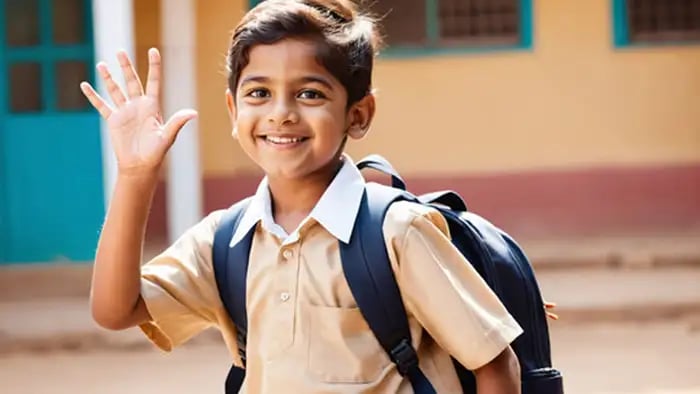
Children thrive on routines, which help them feel secure and focused throughout the day. Establishing and sticking to a daily routine can minimize distractions. For example, setting a consistent wake-up time each morning can help kids adjust and make mornings less challenging over time.
2. Offer Structured Choices
Offering choices can improve your child’s response to tasks. Allowing them to choose what they want to do empowers them and increases their likelihood of success. For instance, you can say, “You can fold your laundry now or after you finish your homework.” This approach gives them a sense of control while ensuring tasks get done.
3. Use Constructive Consequences as Punishment
Instead of punishments, use constructive consequences to teach lessons. Consequences like assigning an extra chore can be more effective than yelling. This method helps kids learn discipline without physical punishment, promoting better behavior through understanding and responsibility.
4. Use Time Out Technique
Time-outs can be an effective way to teach self-control. Taking your child to a quiet, private place for a few minutes serves as both a consequence and a teaching moment. Discussing what they did wrong in a calm environment helps them understand the mistake and learn from it.
5. Set Clear Time Limits

Setting and enforcing reasonable time limits teaches your child to respect boundaries. Clear expectations, like being in bed by 10 PM every night, help establish structure. Consistent enforcement ensures your child learns to follow rules and understand the importance of limits.
6. Shape Behavior Step by Step
Use age-appropriate techniques to gradually shape your child's behavior. For instance, instead of expecting a five-year-old to complete the morning routine independently, provide visual reminders like pictures of brushing teeth or putting on shoes. As they master these steps, increase expectations gradually.
7. Be Consistent
Consistency in discipline is crucial. If your methods change frequently, your child may become confused and unsure of expectations. By using the same discipline techniques consistently, your child learns that certain behaviors have specific consequences, promoting a stable and predictable environment.
8. Explain the Reasons Behind Discipline

For discipline to be effective, explain the reasons behind it. Discuss what your child did wrong and why it was inappropriate. Understanding the rationale helps them learn from the mistakes and reduces the likelihood of repeating them, turning discipline into a positive learning experience.
Signs Your Child May Need Help With Self-Discipline
- Frequent tantrums: Unable to manage their emotions and throws tantrums when things don’t go their way.
- Difficulty finishing tasks: Your child starts an activity but finds it difficult to finish it.
- Impulsive reactions:Your child acts or speaks without thinking about the consequences.
- Resistance to routines: Struggles or refuses to follow a routine.
- Difficulty resisting temptations: Finds it difficult to wait for a reward, is impatient and wants everything immediately.
Age-Wise Self-Discipline Tips: Toddlers, School-Age & Teens
- Toddlers: Self-discipline can be built through simple routines; for example, waiting for their turn instead of snatching a toy.
- School-Age Children:Build a consistent routine and let them do age-appropriate tasks like brushing their teeth, eating on time or doing homework. Making them understand the rules and expectations builds a sense of responsibility.
- Teens: Guide them through the important process of goal-setting, time management, and decision-making, and make them understand the impact and consequences of their choices.
Conclusion
Self-discipline for kids helps to manage impulses, make thoughtful decisions reinforcing positive life skills necessary to achieve long-term success and to be a responsible adult. Start with one tip this week and build consistency from here.
Frequently Asked Questions
At what age should I start teaching my child self-discipline?

Parents should start teaching self-discipline to kids from toddler years. Follow simple routines and modify them gradually as they grow up.
How can I discipline my child without yelling or spanking?
Instead of yelling or spanking your child, discuss what your child did wrong and why it was inappropriate, and help them understand their mistake. Understanding the reasons helps turn discipline into a positive learning experience.
What are common signs of poor self-discipline in kids?
Common signs of poor self-discipline in kids include frequent tantrums, impulsive reactions, difficulty completing tasks and routines, trouble following rules, and difficulty waiting for rewards.
The views expressed are that of the expert alone.
Popular Topics