



 Parenting Guide


 Child Health & Growth


 Learning & Skills Development


 Food & Nutrition


 Bournvita





Introduction
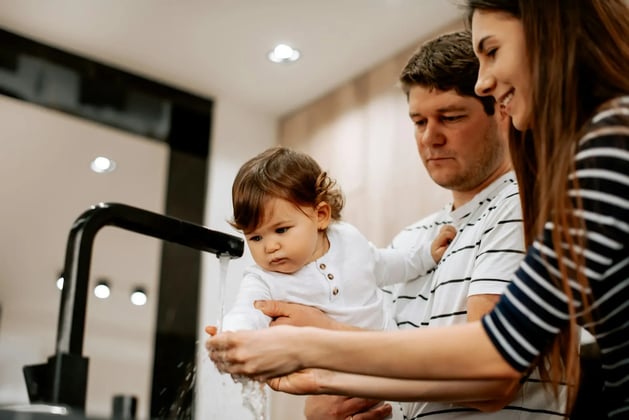
In a hustling household, most hours of the daily routine are scheduled with the school, then the homework, extracurricular activities, and family time. Sometimes, out of that busy schedule, small but handy lessons regarding the proper practice of handwashing prove to be lifesaving for a kid. Proper handwashing can majorly reduce the risk of your child getting various infections and diseases. Now more than ever, amidst global health crises, it of utmost importance that you ensure your child knows how to wash his hands really very well.
Handwashing is one of the best ways of preventing the spread of germs and maintaining good health. Proper handwashing defends against illnesses, from the common cold to the most severe bouts of gastroenteritis and hepatitis. Teaching your child proper handwashing helps reduce the spread of bacteria and viruses in your home and community. This easy practice can substantially reduce incidences of illness, which means fewer lost school days and a more healthy and happy home.
Why Hand Hygiene Matters for Them
Hand hygiene for kids keeps infections away, reduces sick days, and supports school attendance. Handwashing is the most effective daily habit we have for preventing illness. Hand hygiene among children is highly effective at reducing the transmission of stomach bugs, colds, and skin infections. Proper handwashing for kids protects not only them, but everyone they come into contact with. Washing hands for kids reduces school days lost to preventable, germ-related illnesses.
How to Wash Hands Properly — Step by Step
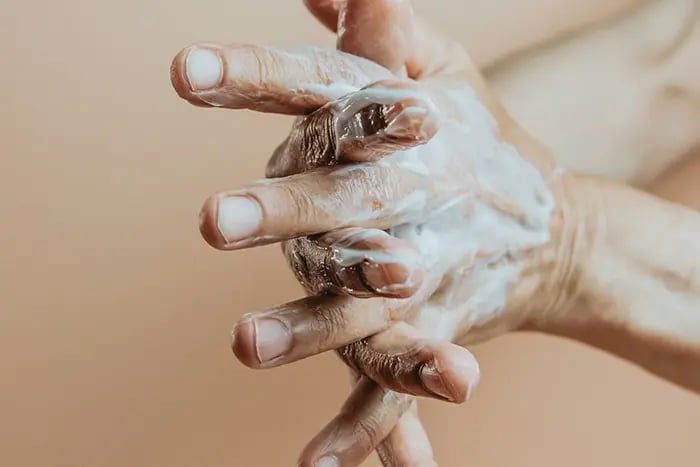
There is a clear, simple, and flowing sequence of five essential steps for proper handwashing for kids. Kids’ handwashing starts by wetting both hands completely under clean running water. For kids, hand hygiene means scrubbing soap well on both hands, including the palms, fingers, and thumbs. They wash every surface, including their nails and wrists, for a full 20 seconds. As kids scrub, singing “Happy Birthday” twice is just the right amount of time.
When Should They Wash Their Hands?
Kids need to wash their hands at key moments throughout the day. Kids need to wash their hands properly before and after every meal and food preparation. Kids need to wash their hands after going to the toilet, playing outside, and touching pets. Kids should wash their hands after they cough, sneeze, or touch commonly used surfaces.
When Soap and Water Aren't Available
Sometimes, when there’s no soap and water, kids need a pragmatic backup for handwashing. “Alcohol-based hand sanitizer is effective in children when their hands look clean. Take a small amount of sanitizer and rub until it’s completely dry. This is the proper way for kids to wash their hands. Using hand sanitizer for hand hygiene for children is not a substitute for soap when hands are visibly dirty.
Fun Handwashing Activities for Them
Handwashing activities for kids make proper technique engaging, memorable, and genuinely enjoyable for them. Handwashing for kids paired with a familiar song makes the 20-second scrubbing feel effortless. Handwashing activities for kids using colorful or character-shaped soaps turn washing into an exciting experience. Proper handwashing for kids reinforced through sticker charts and small rewards builds consistent daily motivation. Handwashing activities for kids, like the pepper-and-soap experiment, show how soap visually disperses germs. Handwashing for kids through role-play teaches proper technique in a completely pressure-free setting. Handwashing activities for kids are most effective when parents model the same habit alongside them daily.
Conclusion — Make Clean Hands a Daily Habit
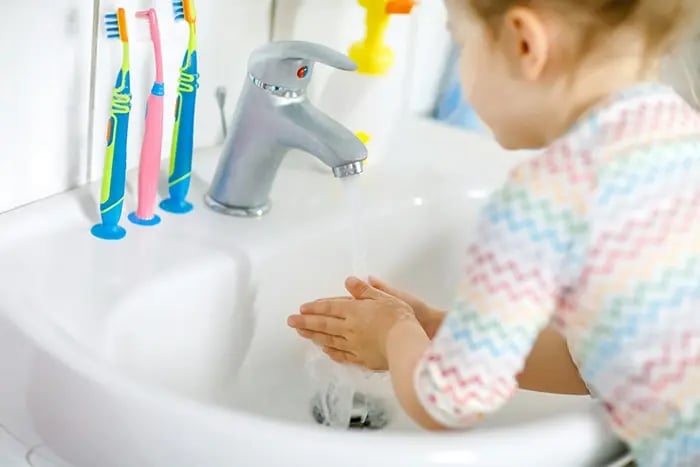
Handwashing for kids, built on simple steps, proper timing, and consistent fun, becomes effortless. Proper handwashing for kids through a 20-second scrub at key daily moments provides complete protection. Hand hygiene for kids maintained through cheerful, consistent routines needs no nagging or pressure. Hand hygiene for children built on genuine habit is far more powerful than any rule alone. Handwashing for kids practiced consistently every day becomes one of their strongest health habits. Proper handwashing for kids kept fun, simple, and positive is the most sustainable approach. Clean hands through consistent handwashing for kids protect them and everyone they encounter daily.
Frequently Asked Questions
How long should they wash their hands?

Proper handwashing for kids means scrubbing with soap and water for a full 20 seconds. Kids can get the timing of handwashing down by singing “Happy Birthday” twice while scrubbing. Handwashing for kids that is less than 20 seconds removes a significantly lower amount of germs.
Is hand sanitizer as good as soap and water?
Hand sanitizer for kids is fine if their hands look clean and they can’t get to soap. The first and best choice for kids is always proper handwashing with soap and water. Handwashing with kids and sanitizer should not replace soap when hands are visibly soiled or dirty.
What are fun handwashing activities for them?
There are handwashing songs, character soaps, glitter germ experiments, and more for kids to do. Role-play and sticker reward charts for handwashing get kids into a consistent daily habit.
Smriti is a content writer who creates clear, practical, and informative content backed by science and relevant data. With a strong understanding of structured writing, she breaks down complex topics into simple, actionable insights. Her work is focused on helping readers prepare, learn, and grow with confidence and clarity.
The views expressed are that of the expert alone.
Popular Topics