




 Parenting Guide


 Child Health & Growth


 Learning & Skills Development


 Food & Nutrition


 Bournvita






Introduction
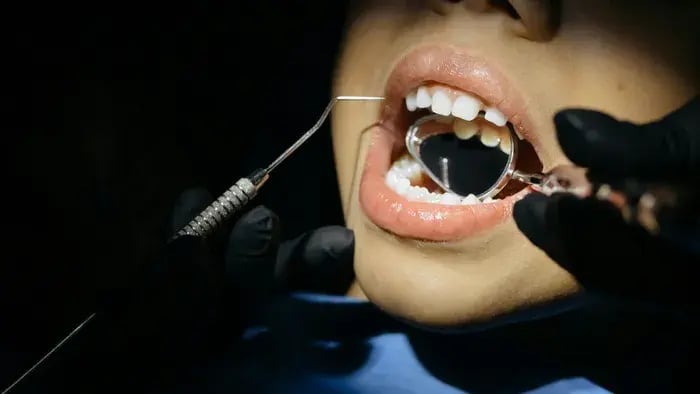
Bruxism in children refers to clenching or grinding the teeth, either during sleep or while awake. Sleep bruxism occurs during sleep, while awake bruxism involves clenching, grinding or holding the jaw tense when a child is awake. Occasional teeth grinding may not cause harm, but frequent or forceful grinding can lead to tooth wear, sensitivity, jaw discomfort and headaches. If you notice your child grinding their teeth in sleep, understanding the possible causes and knowing when to seek dental advice can help you manage the condition appropriately.
Common Causes of Teeth Grinding in Children

The exact cause of teeth grinding in children is not always clear. Possible risk factors include:
- Stress and anxiety:Emotional stress may contribute to teeth clenching or grinding in some children.
- Sleep-disordered breathing:Snoring, nasal obstruction and other breathing difficulties during sleep may be associated with sleep bruxism.
- Family history:Children may be more likely to experience bruxism if close family members have a history of teeth grinding.
- Certain medicines:Some medicines, including certain medicines affecting the nervous system, may contribute to bruxism. Consult the prescribing doctor before making any changes.
- Secondhand smoke:Exposure to tobacco smoke may be associated with sleep-related problems, including teeth grinding.
Teething and tooth alignment should not automatically be assumed to be the cause. A dentist or doctor can assess other possible contributing factors.
Symptoms of Bruxism in Children
Signs of bruxism may vary depending on how often and how forcefully a child grinds their teeth. Common signs include:
- Grinding sounds:Parents may hear scraping or grinding noises while the child sleeps.
- Morning jaw discomfort:The child may report jaw pain, tightness or tiredness after waking up.
- Headaches:Some children may experience headaches, particularly around the temples.
- Tooth wear or sensitivity:Frequent grinding may wear down tooth surfaces or increase sensitivity.
- Tooth damage:In more severe cases, teeth may chip, crack or become damaged.
These signs do not confirm bruxism on their own. Sleep disturbances or changes in mood are not specific diagnostic symptoms, although they may warrant further assessment when other concerns are present.
When to See a Dentist or Doctor
Arrange a dental or medical assessment if your child has any of the following:
- Noticeable wear on permanent teeth or other teeth that appears to be worsening.
- Persistent jaw pain, facial discomfort or recurring morning headaches.
- Chipped, fractured or unusually sensitive teeth.
- Frequent grinding that affects sleep or causes ongoing discomfort.
- Loud snoring, gasping, pauses in breathing or persistent mouth breathing during sleep.
- Daytime tiredness, difficulty concentrating or other problems affecting everyday activities.
- Symptoms that persist, worsen or concern you, even if your child does not report pain.
- Seek urgent dental care for a fractured tooth or significant dental pain. Breathing difficulty or prolonged pauses in breathing require prompt medical attention.
Strategies to Manage Bruxism in Children
Management depends on the child's symptoms, dental health and possible underlying causes. These steps may help:
Arrange a Dental Assessment
A dentist can check for tooth wear, sensitivity, fractures and jaw discomfort. They can determine whether monitoring, further investigation or protective treatment is appropriate.
Establish a Consistent Sleep Routine

Encourage regular bedtimes, a calming bedtime routine and a comfortable sleep environment. These habits support sleep quality but may not stop bruxism on their own.
Support Stress Management
If stress or anxiety may be contributing, offer reassurance and opportunities to discuss feelings. Relaxation activities and professional support may help when emotional difficulties persist.
Review Possible Breathing Problems
Discuss frequent snoring, gasping, mouth breathing or restless sleep with your child's doctor. They can assess whether sleep-disordered breathing or another condition needs attention.
Discuss Tooth Protection With a Dentist
If grinding is causing significant tooth wear or damage, a dentist may recommend an appropriate protective appliance. A nightguard should only be used following professional evaluation, particularly while a child's teeth and jaws are developing.
Avoid Pressure or Punishment
Sleep bruxism is involuntary, so scolding or rewarding a child for not grinding their teeth is unlikely to help. For awake bruxism, gentle reminders to relax the jaw may be useful if recommended by a dental professional.
Frequently Asked Questions
Do children outgrow bruxism?

Some children stop grinding their teeth as they grow, but not all do. Persistent pain, tooth damage or sleep concerns should be assessed.
Does teeth grinding mean a child has worms or calcium deficiency?
No. Teeth grinding alone does not establish either condition. Consult a doctor if your child has other symptoms or nutritional concerns.
Should children wear a nightguard for teeth grinding?
Not automatically. A dentist should assess tooth wear, symptoms and dental development before recommending a suitable protective appliance.
Her love for storytelling began with reading her grandfather’s speeches, where Tarishi saw the power of words in creating lasting memories. Combining her passions for food and writing, she has turned her life into a fulfilling path of sharing stories that celebrate flavours and how food brings communities together.
The views expressed are that of the expert alone.