




 Parenting Guide


 Child Health & Growth


 Learning & Skills Development


 Food & Nutrition


 Bournvita





Introduction
Constant sibling squabbles, arguments over toys and attention, and occasional fights can leave parents wondering how to manage sibling rivalry without making either child feel blamed. Sibling rivalry is a common part of growing up, but the way parents respond can shape how children handle conflict. Mindfulness can help parents pause before reacting, listen to each child's feelings and encourage calmer communication. Simple practices such as mindful breathing, active listening, empathy and cooperative activities can reduce tension and help children understand one another better. With patience and consistency, these techniques can turn everyday disagreements into opportunities to build stronger sibling relationships.
Why Sibling Rivalry Happens?
Sibling rivalry can have several causes, and understanding them can help parents respond more effectively.
- Competition for attention: Children may argue or compete when they feel they are receiving less attention from parents.
- Comparison: Comparing siblings' grades, behaviour, appearance or abilities can create jealousy and resentment.
- Different developmental stages: Younger and older children have different needs, abilities and expectations, which can lead to misunderstandings.
- Sharing space and belongings: Disagreements over toys, rooms, gadgets or personal belongings are common sources of conflict.
- Strong emotions: Children are still learning how to manage frustration, anger, disappointment and jealousy, so these feelings may come out through arguments.
Mindful Techniques to Manage Sibling Rivalry
These simple mindfulness techniques can help parents respond calmly while teaching children healthier ways to handle disagreements.
Stay Calm and Composed
Before stepping into an argument, pause and take a breath. Count to five before responding rather than immediately taking sides or raising your voice. A calm parent can help lower the intensity of a conflict and show children how to manage strong emotions.
Practice Active Listening
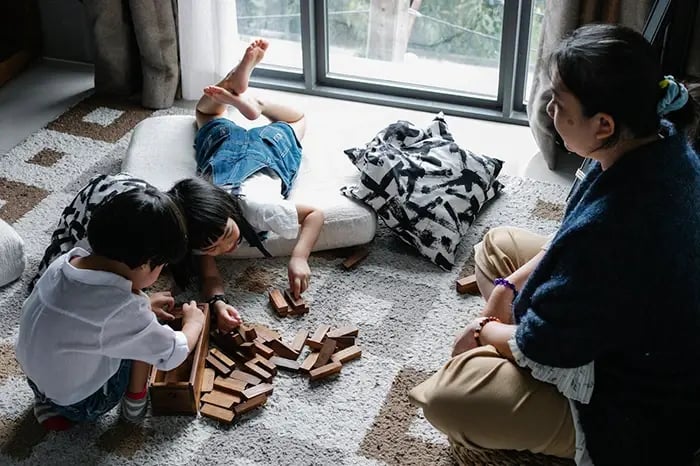
Give each child an opportunity to explain what happened without interruption. Listen without immediately deciding who is right or wrong, and acknowledge their feelings. Saying, “I understand that you felt left out,” can help a child feel heard while giving you a clearer picture of the problem.
Teach Emotional Awareness
Children need to learn how to identify and express emotions before they can manage them effectively. Encourage them to name feelings such as angry, frustrated, jealous or left out instead of responding through shouting or hitting. Emotion charts, storytelling and simple conversations about feelings can make this easier.
Encourage Empathy Through Role-Play
Ask children to imagine how their sibling might feel in a particular situation. Through role-play, one child can act out the other's perspective and think about how their words or actions may affect them. This practice can gradually encourage understanding and compassion between siblings.
Set Clear and Consistent Boundaries
Create simple family rules about acceptable behaviour, such as no hitting, name-calling or deliberately hurting someone. Apply these rules consistently to every child and explain why they matter. Clear expectations make it easier for children to understand which behaviours are acceptable during disagreements.
Create a Safe Space for Open Discussion
Regular family discussions can give children a chance to talk about problems before they turn into bigger conflicts. During a family meeting, allow everyone to share their feelings without being mocked or immediately punished. This can make children more comfortable discussing concerns with parents.
Model Mindful Behaviour
Children often learn how to handle disagreements by observing adults. Show them how to disagree respectfully, apologise after mistakes and take a pause when emotions become intense. Your everyday behaviour can be a powerful lesson in mindful communication.
Practice Mindful Breathing Together

Teach children a simple belly-breathing exercise they can use when they feel angry. Ask them to breathe in slowly for four counts and breathe out for four counts. Practise it when everyone is calm so they can remember the technique during a disagreement.
Celebrate Each Child's Individuality
Avoid comparing siblings, even when the intention is to motivate them. Instead, recognise each child's individual interests, strengths and achievements. One child may enjoy drawing while another prefers sports, and both deserve appreciation for their own abilities. This can reduce unnecessary competition and support self-confidence.
Engage in Cooperative Activities Together
Give siblings opportunities to work towards a shared goal rather than competing against each other. Cooking together, completing a puzzle, doing yoga, building something or playing a cooperative game can encourage teamwork. Shared activities can help children experience the benefits of supporting one another.
When to Seek Extra Support
Sibling disagreements are normal, but persistent or intense conflict may require additional attention. Parents should seek professional guidance if there is frequent physical aggression, serious emotional distress, ongoing bullying or one child consistently appears withdrawn or fearful around their sibling.
It is also worth seeking help when conflicts regularly disrupt family life or continue despite consistent boundaries and communication. A paediatrician, child psychologist or qualified counsellor can help parents understand the underlying issues and suggest appropriate strategies.
Conclusion
Mindfulness cannot make sibling disagreements disappear overnight, but it can help families respond to them with greater patience and understanding. By staying calm, listening actively, respecting individuality and teaching children to manage emotions, parents can turn conflicts into learning opportunities. Start with just one technique this week, such as four-count breathing or a short family discussion, and build from there.
Frequently Asked Questions
Is sibling rivalry a normal part of childhood development?

Yes. Competition for attention, differences in personality and developmental stages can naturally lead to sibling disagreements. Consistent guidance can help children learn healthier ways to manage conflict.
How can I stop my kids from fighting without picking sides?
Listen to both children separately, acknowledge their feelings and focus on the behaviour rather than deciding who is “the bad one.” Set clear rules that apply equally to everyone.
At what age does sibling rivalry usually peak?
Sibling rivalry can occur at any age, but conflicts may become more noticeable when children are close in age and competing for attention, belongings or independence.
Can mindfulness really reduce sibling conflicts long-term?
Mindfulness can help children practise emotional awareness, calm responses and empathy. With regular practice and consistent parenting, these skills may support healthier ways of handling sibling conflicts over time.
Her love for storytelling began with reading her grandfather’s speeches, where Tarishi saw the power of words in creating lasting memories. Combining her passions for food and writing, she has turned her life into a fulfilling path of sharing stories that celebrate flavours and how food brings communities together.
The views expressed are that of the expert alone.
Popular Topics