



 Parenting Guide


 Child Health & Growth


 Learning & Skills Development


 Food & Nutrition


 Bournvita





Introduction
Living in an apartment can make mobility challenging for children with physical limitations. Small rooms, crowded surroundings, and limited access to parks often reduce opportunities for exercise. However, movement remains important for growth, confidence, and overall well-being.
Simple indoor activities for kids can help improve strength, flexibility, coordination, and independence without requiring large spaces. Many limited-mobility activities can be adapted to a child's abilities, making exercise enjoyable and accessible. From chair exercises and stretching routines to games that improve coordination, these activities support physical development while encouraging participation and social interaction.
With thoughtful planning, families can create engaging daily routines that promote movement, build confidence, and help children stay active within the comfort of urban flats.
Why Physical Activity Matters for Kids with Limited Mobility
Physical movement supports health, confidence, independence, and participation while helping children develop important skills for everyday life.
Supports Strength, Flexibility, and Independence
Activity helps build muscle strength, improve flexibility, support body control, and encourage greater independence during daily tasks and routines.
Improves Mental Health, Confidence, and Social Interaction
Movement-based sessions support positive emotions, self-esteem, communication, and opportunities for engagement with family members and peers.
Prevents Stiffness and Promotes Better Daily Movement
Gentle exercise helps maintain joint mobility, reduce stiffness, and improve comfort during everyday activities.
Challenges of Staying Active in Urban Flats
Many families face obstacles when trying to encourage movement inside apartment environments.
Limited Space for Movement
Compact living areas can limit physical activity options and reduce opportunities for large-scale movement.
Lack of Accessible Outdoor Areas
Not all neighborhoods provide accessible parks, playgrounds, or recreation spaces suitable for children with mobility challenges.
Need for Safe, Adaptive, and Indoor-Friendly Activities
Parents often require exercises that fit smaller spaces while remaining safe, enjoyable, and suitable for different ability levels.
Types of Adaptive Physical Activities for Kids
These adaptive activities can be modified to match individual abilities and physical requirements.
Seated Exercises
Seated exercises help children stay active while remaining supported. They focus on movement, flexibility, circulation, and muscle engagement.
Assisted Mobility Exercises
Guided mobility exercises help improve range of motion, flexibility, coordination, and confidence during movement.
Hand-Eye Coordination Games
Activities involving catching, tossing, reaching, or targeting improve coordination, concentration, and reaction skills.
Low-Impact Strength Activities
Gentle strength-building exercises support muscle development without placing excessive stress on joints or the body.
Best Physical Activities for Kids with Limited Mobility
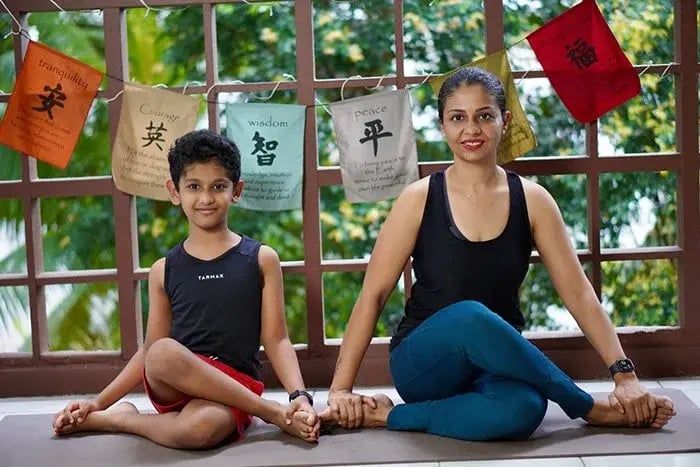
These exercises are suitable for apartment living and can be adapted for different mobility levels.
Chair Exercises for Daily Movement
Chair exercises are excellent seated exercises for children with movement limitations. Seated marching, arm circles, and leg lifts improve circulation, strength, flexibility, and mobility while remaining comfortable and accessible within small indoor environments.
Adaptive Yoga and Stretching
Gentle mobility exercises such as seated stretches, breathing routines, and modified yoga poses help improve flexibility, posture, relaxation, and body awareness while reducing stiffness and supporting comfort.
Balloon Volleyball for Coordination
Among the most enjoyable hand-eye coordination games and wheelchair games, balloon volleyball improves reaction time, arm movement, concentration, and coordination while creating opportunities for social interaction and fun.
Resistance Band Exercises for Strength
These wheelchair exercises help strengthen shoulders, arms, and upper-body muscles. Resistance bands offer adjustable difficulty levels, allowing activities to match a child's abilities and progress safely.
Seated Twists for Core Mobility
Seated twists improve posture, spinal flexibility, balance, and core engagement. Light equipment, such as soft balls, can make sessions more enjoyable and interactive.
Additional Indoor Activities for Kids with Limited Mobility
These ideas provide variety while encouraging movement and participation inside the home.
Hand-Eye Coordination Games
Simple hand-eye coordination games such as soft-ball catches, ring toss, target throws, and stacking challenges improve concentration, motor skills, and coordination.
Wheelchair-Friendly Activities
Wheelchair exercises and wheelchair games can include short indoor racing paths, marker navigation challenges, and movement-based activities designed for safe participation.
Creative Movement Activities
Rhythm exercises, clapping games, musical actions, and coordinated hand movements encourage creativity while supporting coordination and engagement.
Simple Mobility Exercises for Small Spaces
Even compact apartments can support meaningful movement through easy routines and gentle activities.
Arm Raises and Shoulder Rotations
These mobility exercises help improve upper-body flexibility, circulation, posture, and shoulder movement.
Seated Leg Extensions
Leg extensions strengthen lower-body muscles while improving circulation and joint mobility.
Controlled Breathing with Movement
Combining breathing techniques with gentle motions encourages relaxation and body awareness.
Gentle Torso Bends
Slow bending movements support flexibility, posture, and spinal mobility while improving comfort during daily activities.
How to Make Activities Inclusive and Engaging
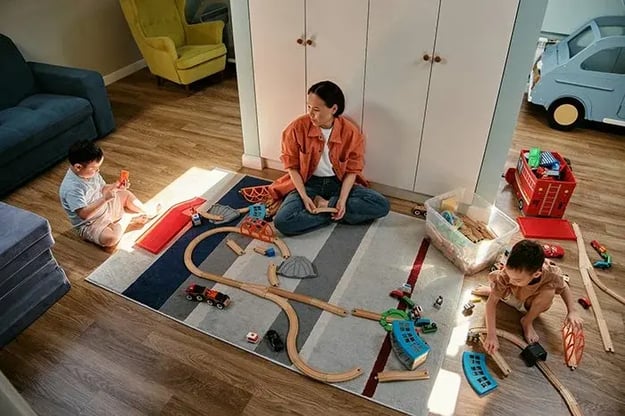
Successful inclusive activities focus on enjoyment, participation, and confidence rather than competition or performance.
Adapt Rules Based on Ability, Not Limitations
Modify activities so every child can participate successfully according to individual strengths and needs.
Focus on Participation, Not Performance
Encouragement helps children feel confident while enjoying movement without pressure or comparison.
Use Music, Storytelling, or Games for Engagement
Creative themes make adaptive activities more enjoyable and motivating for children.
Encourage Family Participation
Parents and siblings can join activities, creating support, connection, and shared enjoyment.
Safety Tips for Indoor Activities
- Creating a safe environment helps children participate comfortably, confidently, and independently while reducing the risk of injuries during physical activities at home.
- Always use sturdy chairs, benches, or supportive seating that does not wobble or slide during movement. Proper back support and a comfortable sitting position help children perform activities safely while reducing strain on muscles and joints.
- Remove toys, cables, rugs, or other objects that may create tripping hazards. Wipe away any water or moisture immediately, as slippery floors can increase the risk of falls and make movement activities unsafe.
- Create a safe exercise area by moving furniture with sharp corners away from activity zones. If moving furniture is not possible, use corner protectors or soft padding to reduce the chance of accidental bumps and injuries.
- Select soft balls, balloons, resistance bands, and other lightweight items that are easy for children to handle. Lightweight equipment reduces physical strain and lowers the risk of injury while allowing children to participate comfortably.
- Pay attention to signs of tiredness, discomfort, or frustration during exercise sessions. Every child has different abilities, so activities should be adjusted according to their energy levels, strength, and individual needs.
- Encourage children to rest, drink water, and relax between activities. Short breaks help prevent fatigue, support recovery, and make exercise sessions more enjoyable and sustainable throughout the day.
Creating a Daily Activity Routine for Kids
A simple structure can help children stay active and engaged throughout the day.
Warm-Up: Light Stretching (5–10 Minutes)
Begin with gentle stretching and breathing exercises to prepare muscles and joints for movement.
Activity: Games or Exercises (15–20 Minutes)
Choose chair exercises, coordination games, yoga, resistance bands, or other indoor activities for kids.
Cool-Down: Breathing and Relaxation
Finish with calming breathing exercises and gentle stretches to support recovery and relaxation.
Frequently Asked Questions
What are the best chair exercises for kids?

Seated marching, arm circles, leg lifts, shoulder rolls, and gentle stretches are effective chair exercises that support movement and strength.
How can I keep my child active in a small apartment?
Use simple indoor activities for kids such as balloon games, stretching routines, seated exercises, yoga, and coordination challenges.
Are resistance band exercises safe for kids?
Yes, resistance bands can be safe when appropriate tension levels are used and activities are supervised by an adult.
What are good wheelchair-friendly indoor games?
Balloon volleyball, target throws, ring toss, obstacle navigation, and other wheelchair games encourage movement and participation indoors.
Conclusion
Adaptive movement opportunities make fitness accessible for every child. Small homes can support meaningful exercise through mobility exercises, chair exercises, and engaging games. Inclusive participation, encouragement, and enjoyable routines help children build confidence, strength, flexibility, and independence regardless of physical limitations.
Deepali is a senior food and wellness writer with over a decade of experience in top media houses, crafting engaging narratives. She is a professional home baker and loves exploring food from every corner of the world to reading cookbooks. She believes a healthy lifestyle is a combination of both mental and physical fitness. Her goal always remains to keep moving, eating seasonal and practicing gratitude.
The views expressed are that of the expert alone.
Popular Topics