




 Parenting Guide


 Child Health & Growth


 Learning & Skills Development


 Food & Nutrition


 Bournvita





Introduction
Summer break often starts with excitement, but for many parents, it quickly turns into a daily struggle of trying to pull kids away from screens. Phones, tablets, video games, and endless scrolling can easily take over their routine, leaving very little time for movement or outdoor fun. This is where a family fitness challenge can make a huge difference. Instead of forcing exercise, it turns physical activity into a fun family experience that everyone can enjoy together. A family fitness challenge not only helps children stay active and healthy during vacations but also strengthens emotional bonds, improves communication, and creates lasting memories. Whether it is evening walks, dance-offs, cycling races, or step-count goals, participating in a family fitness challenge allows families to spend meaningful time together while building healthier habits at the same time.
Fun Family Fitness Challenges to Try This Summer
Summer is the perfect time to introduce exciting activities that get the whole family moving together. A family fitness challenge does not have to feel strict or difficult. The goal is to make exercise enjoyable, engaging, and something everyone looks forward to every day. From outdoor games to creative movement activities, these ideas can turn fitness into quality family bonding time.
Outdoor Adventures (Treks, Bike Rides, Park Days)
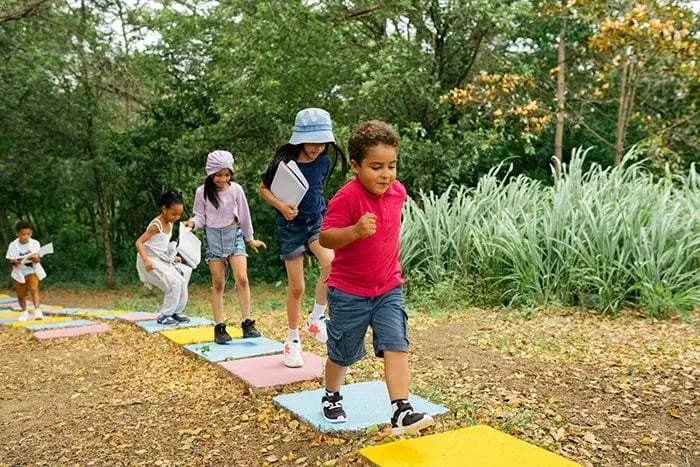
Arrange for a bike trip, stroll in the park, or family trek once a week. All ages may enjoy these activities, which allow them to get out into nature together.
Home Workout Circuits
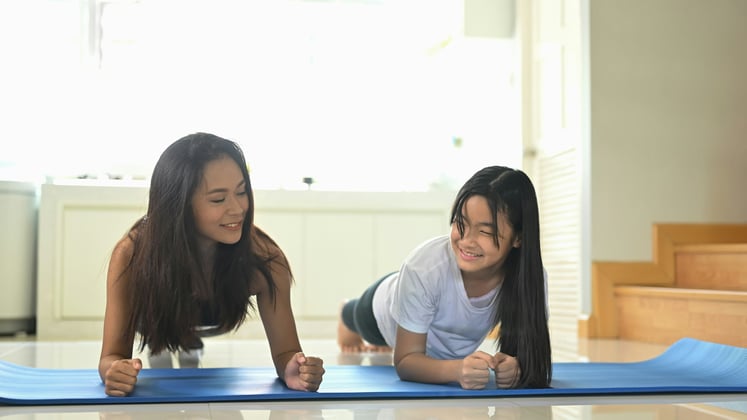
Make a little gym in your own house or designate a specific area for working out. Participate in friendly competitions, such as seeing who can perform the most push-ups or sit in a plank position for the longest amount of time.
Family Yoga and Mindfulness
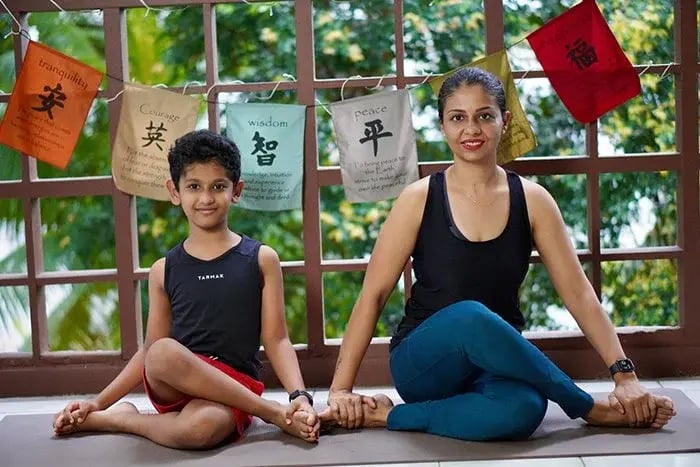
Yoga should be introduced to families to encourage calm and awareness. Implement the session so that it is suitable for children so that everyone may participate.
Sports Day at the Local Park
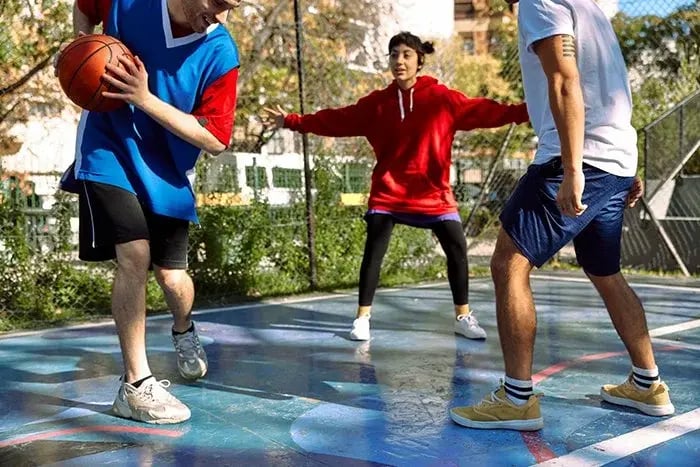
Plan a day of sports for the whole family to participate in at the park in your neighborhood. Games such as cricket, badminton, and kho-kho can be included.
Charity Walks and Community Events
Take part in charity-related walks or runs in your community. This is an excellent method to keep youngsters active and teach them about the importance of giving back to the community.
How to Start and Sustain a Family Fitness Challenge
Starting a family fitness challenge is easy, but keeping everyone motivated requires planning, consistency, and positivity. The best approach is to focus less on perfection and more on creating enjoyable routines that fit into your family’s lifestyle. Small efforts done regularly can help make fitness a natural and fun part of everyday life.
Set Realistic Goals Together
The most successful family fitness challenge begins with goals that everyone can realistically achieve. Sit together as a family and decide what you want to accomplish, whether it is taking 5,000 steps daily, cycling every weekend, or completing a month of evening walks. When children help choose the goals, they feel more involved and motivated to participate. Starting with small, achievable targets also prevents frustration and builds confidence over time.
Make It a Weekly Routine
Consistency is one of the most important parts of maintaining a family fitness challenge. Instead of exercising randomly, schedule fixed days and timings for activities so they become part of your routine. This could be every evening after dinner, weekend mornings, or three specific days a week. A regular routine helps children develop discipline while also making physical activity feel like a normal and enjoyable family habit rather than a chore.
Keep It Fun and Inclusive for All Ages
A good family fitness challenge should work for every family member, regardless of age or fitness level. Younger children may enjoy dancing, obstacle courses, or simple races, while older kids and adults might prefer cycling, yoga, or sports. The key is to focus on participation rather than competition. Celebrating effort, creativity, and teamwork keeps everyone encouraged and prevents anyone from feeling left out.
Track Progress and Create Memories
Tracking your progress can make a family fitness challenge more exciting and rewarding. Use a chart, journal, or calendar to record completed activities, steps, or milestones. Taking photos during walks, hikes, or games also helps create happy memories that your family can look back on later. These small celebrations make the experience more meaningful and motivate everyone to continue staying active together.
Benefits of Exercising Together as a Family
A family fitness challenge offers much more than physical exercise. It creates opportunities for learning, bonding, communication, and emotional growth. Exercising together helps families support each other while building healthy habits that can last for years.
Encourages Teamwork
Participating in a family fitness challenge teaches children how to work together toward shared goals. Whether it is completing a step challenge, finishing a cycling trail, or winning a relay race, family members learn cooperation and communication. For example, siblings may encourage each other during a walk or parents may guide younger children during outdoor activities. These moments help strengthen teamwork skills in a natural and enjoyable way.
Strengthens Family Bonds
One of the biggest benefits of a family fitness challenge is the quality time it creates. Physical activities encourage conversations, laughter, and shared experiences, strengthening emotional connections. A family hike, evening badminton match, or weekend cycling session can become memorable experiences that bring everyone closer together. Unlike passive activities like watching television, exercising together creates genuine interaction and stronger relationships.
Promotes Lifelong Healthy Habits
Children learn by observing their parents, and a family fitness challenge sets a positive example for them. When kids see adults prioritizing movement and exercise, they are more likely to adopt healthy habits themselves. Regular physical activity improves heart health, sleep quality, flexibility, and overall fitness. Over time, these habits can continue into adulthood and contribute to a healthier lifestyle.
Boosts Self-Confidence
A family fitness challenge creates a positive environment where children feel supported and encouraged. Achieving goals, learning new skills, or simply participating regularly can improve their confidence and self-esteem. For example, a child who successfully completes a daily jogging routine or learns to cycle may feel proud of their progress. Positive encouragement from family members also helps reduce anxiety and motivates children to try new challenges.
Frequently Asked Questions
How do we include family members of different fitness levels?

Choose activities that can be adjusted for everyone, such as walking, yoga, or cycling. A successful family fitness challenge focuses on participation and enjoyment rather than intense competition.
How do I motivate kids who don't want to exercise?
Make the family fitness challenge feel fun instead of forcing workouts. Include games, music, rewards, and activities they already enjoy to keep them interested and engaged.
How much physical activity do children need each day?
Most children should get at least 60 minutes of physical activity daily. A family fitness challenge can make it easier to include movement naturally through games, walks, sports, and outdoor play.
Deepali is a senior food and wellness writer with over a decade of experience in top media houses, crafting engaging narratives. She is a professional home baker and loves exploring food from every corner of the world to reading cookbooks. She believes a healthy lifestyle is a combination of both mental and physical fitness. Her goal always remains to keep moving, eating seasonal and practicing gratitude.
The views expressed are that of the expert alone.
Popular Topics