




 Parenting Guide


 Child Health & Growth


 Learning & Skills Development


 Food & Nutrition


 Bournvita




Introduction
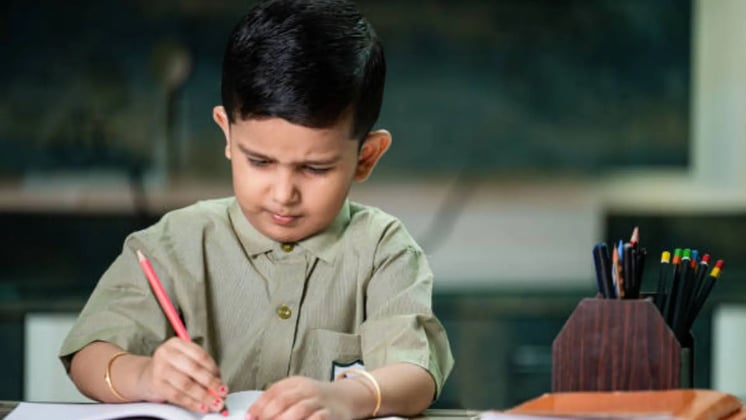
Alphabet writing is one of the first skills that helps preschoolers prepare for reading, spelling, and school activities. At this stage, children are still learning how to hold a pencil, follow lines, and control small hand movements. Because of this, alphabet writing should be taught slowly and in a fun way. When children enjoy the process, they become more interested in learning and feel proud of every new letter they can write.

Parents do not need to begin with perfect handwriting or long writing practice. Preschoolers learn best when writing feels like play. Children often understand letters more easily when they first see them, touch them, trace them, and then try to write them on their own. Small daily activities work better than long lessons. Even ten to fifteen minutes of simple practice can make a big difference.
Parents can make alphabet writing easier by starting with large letters, using colorful materials, and giving praise for every small effort. Some children learn quickly, while others need more time. Both are completely normal. A calm and positive approach helps children stay confident and interested.
When alphabet writing is taught step by step, children slowly build better hand control, stronger memory, and more confidence. Over time, writing letters becomes easier, smoother, and more natural.
7 Simple Steps to Teach Alphabet Writing to Young Kids

Parents can make alphabet writing enjoyable by following simple activities that match a preschooler’s age and attention span. Each step helps children understand letters in a different way. Some activities improve hand control, while others help children remember the shape and sound of each letter.
Start With Easy Capital Letters
Parents can begin with simple capital letters such as L, I, T, H, and E. These letters are easier because they use straight lines and simple shapes. Preschoolers often find them less confusing than curved letters. Parents can teach only one or two letters at a time so children do not feel rushed. After children become comfortable with these letters, parents can slowly move to more difficult letters like B, S, or G. Parents can also say the name and sound of each letter while writing it.
Teach Proper Pencil Grip First
Parents can help children hold the pencil correctly before starting alphabet writing. A proper pencil grip makes writing easier and helps children control their hand movements. Parents can encourage children to hold the pencil with three fingers instead of gripping it tightly with the whole hand. Short crayons, triangular pencils, or pencil grips can make this easier for small hands. Parents can also allow children to practice drawing lines, circles, and zigzags before writing letters. These simple exercises prepare little fingers for alphabet writing and reduce frustration.
Use Tracing Activities Before Free Writing
Parents can begin with tracing because preschoolers usually learn better when they first follow a line. Parents can give children worksheets, dotted letters, or letters drawn lightly with a pencil. Children can trace them with crayons, pencils, or even fingers. Tracing helps children understand where each line starts and ends. It also improves hand control and confidence. After enough tracing practice, parents can ask children to try writing the same letter without help. This step-by-step method makes writing feel easier and less stressful.
Make Children Write Letters in Sand or Flour
Parents can make alphabet writing more interesting by using sand, flour, rice, or salt on a tray. Children can use a finger to draw each letter before writing it on paper. This sensory activity helps children remember the shape of the letter more clearly. Many preschoolers enjoy this because it feels like play instead of study. If a mistake happens, children can quickly smooth the surface and try again. This gives children the confidence to keep practising without fear of making errors.
Practice One Letter Every Day
Parents can make learning easier by focusing on one letter each day. Parents can show the letter, say its sound, trace it, and then practise writing it. Children can also find objects that begin with that letter. For example, while learning A, children can talk about apple, ant, or aeroplane. This makes the lesson more meaningful and helps children remember the letter better. A daily letter routine also keeps practice short and manageable. Preschoolers often learn more when activities are repeated in small amounts every day.
Use Fun Materials and colorful Tools
Parents can keep children interested by using colorful chalk, sketch pens, crayons, whiteboards, or magnetic letters. Preschoolers often enjoy writing more when different materials are used. Parents can ask children to write letters with finger paint, stickers, or play dough. For example, children can make the shape of a letter using clay or sticks. These activities improve memory and keep learning active. When alphabet writing feels fun and creative, children stay excited and more willing to practise.
Praise Every Small Improvement
Parents can encourage children by noticing every small effort. Preschoolers may not write perfect letters at first, and that is completely normal. Instead of focusing on mistakes, parents can praise simple progress such as holding the pencil correctly, tracing neatly, or remembering a letter shape. Kind words help children feel confident and happy about learning. Parents can also use star stickers, smiley faces, or a small reward chart to celebrate progress. When children feel supported, they become more interested in practising and improving every day.
5 Reasons Why Teach Alphabet Writing to Young Kids
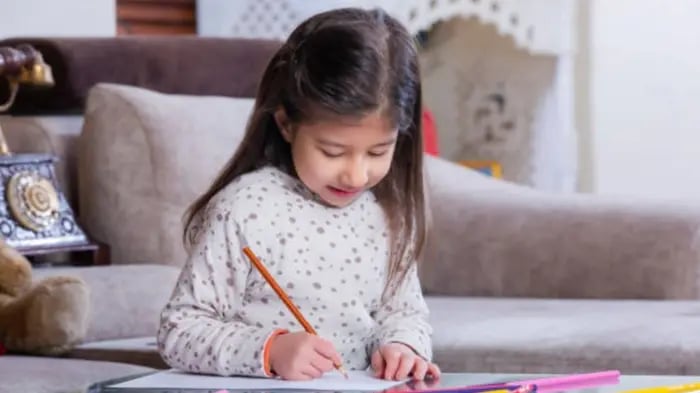
Alphabet writing is not only about learning letters. It also helps children develop many important skills that are useful in everyday learning. When children practise writing letters, they improve hand strength, memory, focus, and confidence. Early writing practice also helps children feel more prepared when they begin school.
Alphabet Writing Builds Fine Motor Skills
Parents can help children strengthen small muscles in the fingers and hands through alphabet writing. Every time children hold a pencil, trace a line, or write a letter, these small muscles become stronger. According to a study published in J Phys Ther Sci. 2018, good fine motor skills make many daily tasks easier, such as coloring, buttoning clothes, holding a spoon, and cutting with scissors. Preschoolers who practise writing regularly often become more comfortable with hand movements. This makes future school activities easier and less tiring.
Alphabet Writing Improves Letter Recognition
Parents can help children remember letters better when writing practice is combined with seeing and saying each letter. Preschoolers often recognise letters more easily after writing them several times. Research published in Sensors (Basel). 2024 shows that children begin to notice the difference between similar letters such as b and d or p and q. This makes reading easier later. When children can recognise letters quickly, they also become more confident during books, flashcards, and classroom activities.
Alphabet Writing Supports Reading Skills
Parents can help children prepare for reading by teaching alphabet writing early. When children learn to write a letter, they often remember its sound and shape more clearly. Research published in Learn Individ Differ. 2014 highlights that this creates a strong connection between writing and reading. For example, when children write the letter M, they also begin to connect it with words like moon, mango, or monkey. These simple connections help children learn new words more easily and become ready for early reading activities.
Alphabet Writing Teaches Patience and Focus
Parents can help children learn to sit, observe, and complete a small task through writing practice. Preschoolers often have short attention spans, but regular alphabet writing can slowly improve focus. According to the Central Institute of Educational Technology, children learn to follow steps, watch carefully, and try again if something does not look right. This also teaches patience and problem-solving. Over time, children become more comfortable with small learning tasks and feel more ready for classroom routines.
Alphabet Writing Increases Confidence
Parents can help children feel proud when they learn to write new letters on their own. Each new letter gives children a sense of success. Even little progress can make preschoolers feel more independent and excited about learning. As per research published in Healthcare (Basel). 2023, when children see that they can write a letter without help, they become more willing to try new activities. This confidence often supports other learning skills too, such as reading, drawing, and speaking in class.
Conclusion

Alphabet writing becomes easier when parents teach it slowly, patiently, and in a playful way. Parents can help preschoolers learn better by using simple activities, short practice sessions, and plenty of encouragement. With regular practice and positive support, children slowly build confidence and begin to enjoy writing letters every day.
Her love for storytelling began with reading her grandfather’s speeches, where Tarishi saw the power of words in creating lasting memories. Combining her passions for food and writing, she has turned her life into a fulfilling path of sharing stories that celebrate flavours and how food brings communities together.
The views expressed are that of the expert alone.
Popular Topics