




 Parenting Guide


 Child Health & Growth


 Learning & Skills Development


 Food & Nutrition


 Bournvita





Introduction
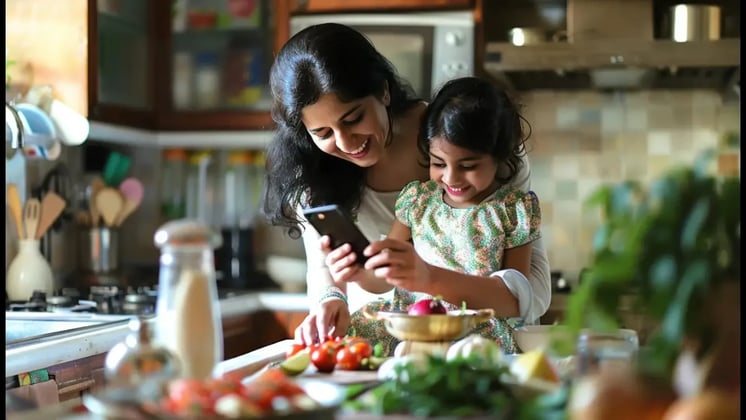
Many parents worry unnecessarily about raising a single child without siblings nearby. The old stereotypes say that only children grow up to be spoiled or lonely, socially inept children. In fact, the picture given by modern research is quite different and much more reassuring. Parents parent with real confidence when they know their child's true personality. This article is devoted to the problem of personality traits, parental styles, and social development.
 Sections debunk common myths and offer genuinely practical, actionable advice for families. There are also some specific challenges and certain advantages of a single-child household. Both are vital for parents to help their children grow up healthy and well-rounded at home. This guide replaces old stereotypes with current, evidence-based knowledge. In one huge personality study that included more than 20,000 adults, the differences between only children and children with siblings were surprisingly small and not statistically significant.
Personality Understanding
1. Personality Differences Are Small
Big studies keep finding only teeny-tiny differences in personality between only children and others. There is almost no meaningful variation in traits such as extraversion, conscientiousness, and openness. This runs counter to the popular stereotype that only children are born with significantly different personalities. Parents should not presume that their only child will develop strange or troublesome personality traits. It’s not just about having siblings—the individual family’s dynamics are much more important.
2. The Myth of Selfishness
Studies have repeatedly failed to find evidence for the “spoiled only child” stereotype. And studies that actually measured narcissism found no meaningful differences at all based on sibling status. Children learn sharing and cooperation only from other children, like other children. Friendships and playground interactions give plenty of practice for these important social skills. The myth persists culturally, although decades of research have consistently disproven it.
3. Maturity and Perfectionism Tendency
Only children often mature sooner because of the concentrated attention and expectations of parents. It can have positive effects, such as a good vocabulary, but can also create performance pressure. Parents need to be alert to signs of excessive perfectionism driven by high expectations. It’s good to encourage but also to be realistic about achievement so there’s no undue worry. Awareness of this tendency can help parents foster healthier emotional development more generally.
4. Imaginary Friends and Imaginary Play
Preschool children are more likely than other children to have imaginary friends. This kind of creative play does support social development and communication skills very well indeed. This is not a sign of warning but a healthy development of the imagination. This is a normal and common behavior that should not cause parents to worry but should reassure them. Imaginative play is good for emotional and cognitive development, whether there are siblings or not.
5. Values and Prioritization
Some research suggests that only children may be slightly more likely to focus on personal achievement than other children. This does not necessarily indicate selfishness but rather different early social experiences. Children who are raised with just one sibling do not have to compete for parental time or resources. This may influence certain values without implying any negative personality traits whatsoever. By grasping this nuance, parents can tell where their child’s priorities lie without worrying too much.
Bringing Up an Only Child
1. Prioritize social opportunities with peers
If they don’t always have siblings around for daily practice, be sure to schedule regular playdates and group activities. Structured social opportunities give children a chance to practice sharing, turn-taking, and conflict resolution skills. Children develop socially just as well from regular contact with peers as from relationships with siblings. Opportunities for structured socialization on a regular basis (e.g., extracurricular activities, community programs). This approach effectively addresses the main practical difference in single-child households.
2. Set Expectations and Pressure
The sole focus of parental hopes can place great pressure on children. Be careful not to overproject school or achievement expectations onto one child. Focus on progress and growth, not just results. This can help to prevent the perfectionism and anxiety that sometimes develop in only children. Realistic expectations lead to better sustained mental health and authentic self-esteem.
3. Intentionally Foster Independence
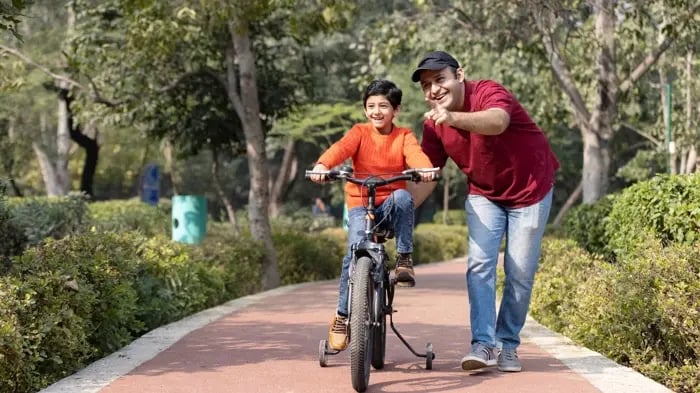
Intentionally develop independent problem-solving skills without siblings to negotiate with on a daily basis. Don’t jump in and try to fix every little challenge or conflict. Age-appropriate responsibilities at home build confidence and real self-reliance over time. This reflects skills that siblings might otherwise help develop through their daily interaction. If you want well-rounded kids, then being intentional about independence helps, no matter how many kids you have.
4. Avoid Overprotectiveness
Sometimes parents of a single child become overprotective because of the focused attention. And this can unwittingly shut down the opportunities for healthy risk-taking and real resilience-building. Let them have age-appropriate independence even when it is emotionally difficult for you as a parent. Overprotection can damage confidence more than a lack of sibling interaction. It is important to strike a balance between freedom and structure to promote better long-term emotional and social development.
5. Form A Support Network
Good sibling-type relationships can be provided by cousins, children living nearby, and close family friends. Close extended-family relationships provide additional social and emotional support. This network compensates for some of the benefits of sibling relationships. Regular contact with this support network does really enrich the social world of a single child. Building this network is a deliberate effort, but it pays off big time in the long run.
Social Development
1. Peer Relationships Develop Normally
Only children develop social skills and friendship at the same rate as other children. Research suggests there are no important differences in social competence by sibling status. Social learning is plentiful through interaction with peers at school and in the community. Parents need not worry that the absence of siblings will significantly hinder the development of social skills. What matters is regular contact with peers, regardless of family structure.
2. Skills for Sharing and Cooperation
Contrary to popular belief, only children learn to share as well as children with siblings. These skills are cultivated through peer interactions, not solely through sibling relationships. Group activities are well-structured to provide ample practice in cooperation and compromise skills. Parents can help reinforce these abilities by providing intentional modeling and gentle guidance. This flies in the face of the long-held myth that siblings are needed to teach sharing.
3. Stress Management and Psychological Resilience
Studies on the emotional resilience of only children have yielded mixed findings. Some studies point to unique challenges, while other studies find similar or better outcomes. It’s not just about having siblings but also familial relationships and support systems. Specifically, emotional coaching at home helps build resilience regardless of family structure. Consistent emotional support is the number one predictor for healthy coping skills.
4. Confidence in communication and social interaction
Often, only children develop strong verbal skills, with a great deal of exposure to adult conversation. This can lead to confident styles of communication in social and academic contexts. Some research suggests that only children are sometimes a little different in their collaborative inclinations. Group work is encouraged to balance strong individual skills with real practice in teamwork. This combination promotes a well-rounded social confidence in a variety of situations.
5. Long-term social consequences
The adult outcomes of only children are not significantly different from those with siblings. Overall, the results of studies assessing well-being, relationships, and social adjustment are largely comparable. This reassures parents that being an only child does not disadvantage them in the long run in terms of social success. “The number of siblings is not as important as the family environment and the quality of parenting. This evidence-based perspective clears away old stereotypes with real, reassuring clarity.
Conclusion
One child is one too many concerning stereotypes or the old-fashioned way of raising kids. Personality research has shown that differences between siblings are small and not significant. Focus on peer socialization, realistic expectations, and real independence-building. If you are a single child, good parenting will make you as well adjusted as any other child.
Frequently Asked Questions
Is it true that a single child is more likely to be spoiled?

No. Large studies find no meaningful evidence supporting this stereotype. Personality traits and behavior in only children closely resemble those of children with siblings.
Will my single child struggle socially without siblings?
Research shows minimal differences in social development. Regular peer interaction through school, playdates, and community activities provides sufficient opportunities to build social skills.
Are only children more prone to perfectionism than kids with siblings?
Sometimes. Concentrated parental attention and expectations can heighten this tendency. Balancing encouragement with realistic goals helps prevent unnecessary pressure around achievement or performance.
Smriti is a content writer who creates clear, practical, and informative content backed by science and relevant data. With a strong understanding of structured writing, she breaks down complex topics into simple, actionable insights. Her work is focused on helping readers prepare, learn, and grow with confidence and clarity.
The views expressed are that of the expert alone.
Popular Topics