




 Parenting Guide


 Child Health & Growth


 Learning & Skills Development


 Food & Nutrition


 Bournvita




Introduction
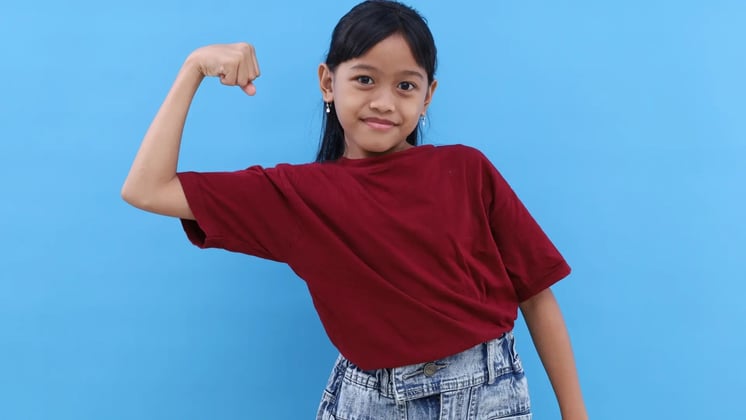
Bones do so much more than just hold the body up every day. When kids learn about the skeletal system, they can get a real appreciation of how bodies work. Children tend to think of bones as hard, fixed, and permanent structures. In fact, the skeletal system for kids is continually growing, repairing and evolving through childhood. Bones provide support for movement, protect vital organs, and even produce blood cells.
Learning about the skeletal system for kids also helps explain why some habits are very important. Exercise, nutrition, and sleep all directly affect how strong bones grow. The article clearly explains how bones support and protect the body. It also provides age-appropriate exercises that actually do help to build stronger, growing, and developing bones. A systematic review of controlled trials has shown that regular weight-bearing exercise has a significant positive effect on bone mineral accrual in children, especially in early puberty.
The support of bones for the human body
The skeleton is the basic structural framework of the body that allows us to stand and move. Our bodies would be shapeless and unstable without bones. Our bones and muscles work together to help us walk, run, jump, and move. Bones are connected to bones by joints. Knees, elbows, and shoulders are flexible. Specifically, the spine allows us to maintain an upright posture and perform bending and twisting movements safely. Having strong bones also helps support body weight when performing activities like standing or climbing. Bone strength is developed during childhood, reaching peak density in early adulthood. This means that childhood is the most important window for building lifelong bone strength.
How Bones Shield the Human Body
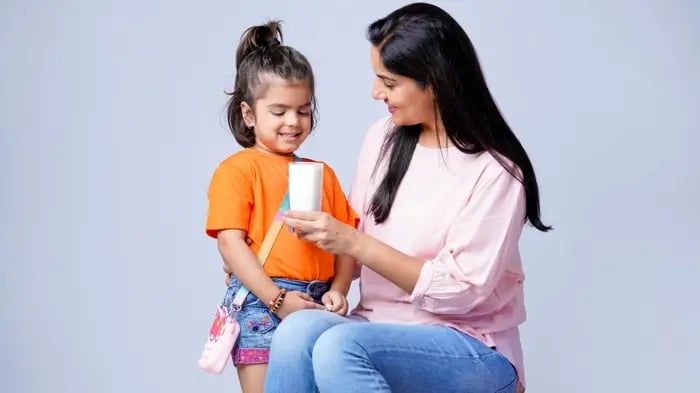
Bones protect delicate internal organs from damage that might occur from everyday bumps and blows. The skull shields the brain from the everyday bumps, falls, and knocks. Ribs create a cage for the heart and lungs. The delicate spinal cord runs through the protective column in the middle of the spine. The pelvic bones protect the reproductive organs and lower digestive system, keeping them safe. But bones do more than protect; they also make blood cells in their soft, spongy marrow. This generation of blood cells supports oxygen transport and immune system function throughout life. Children need to know about the protective role of bone and why bone health is so important.
7 Exercises to Strengthen Bones, Sorted by Age
1. Jumping Jacks
A simple, repeatable exercise that combines arm and leg movement. This activity produces low-impact forces that are very beneficial for healthy bone growth. These are things children can do anywhere without any equipment or special space whatsoever. Just 3 to 5 minutes a day adds up to meaningful bone benefits over time. This exercise also develops cardiovascular fitness and basic coordination as well as bone development. It's fun, it doesn't feel like exercise, and kids don't fight about doing it. Parents can make it a fun counting game or a short daily family challenge. Regular practice during these foundational years helps kids’ skeletal systems for the long run.
2. A game of hopscotch
Hopscotch is a classic playground game, and it quietly delivers some serious bone-strengthening benefits. Repeated hopping and jumping are weight-bearing impacts that really help build bone density. This game also helps develop balance, coordination and single-leg strength through repeated practice. The kids don't even know they are exercising because it is all just fun play. You only need a piece of chalk, pavement, and a small marker such as a stone. There's that social aspect to it when you're playing with friends that really helps you do it on a consistent, repeated daily basis. The mix of fun and physical benefit makes this ideal for younger children. Regular hopscotch play really helps the developing skeletal system of kids in these years.
3. Jump Rope
Jumping rope is one of the best weight-bearing exercises that children have at their disposal. Each jump produces repeated impact that directly stimulates bone-building cells in the body. This activity also develops calf muscles, improves rhythm, and develops cardiovascular endurance. A simple rope is very cheap, so this exercise is accessible to almost every family. Start with short sessions of one or two minutes, and then increase the duration as stamina really improves. Group jump rope games or simple rhymes make the activity social and fun. A few times per week of regular practice leads to significant cumulative benefits in bone strengthening over a few months. It makes it a really good addition to any regular activity routine for young children.
4. Run and Sprint
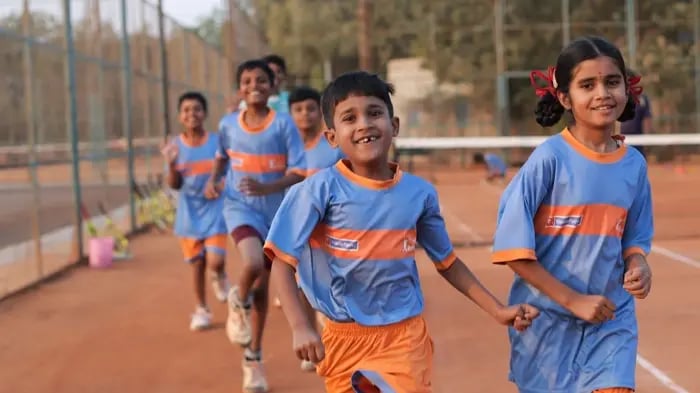
Running provides a steady, high-impact repetition, a potent stimulus for healthy bone mineral accrual. Unlike low-impact activities such as swimming, running loads bones repeatedly through contact with the ground. Further, short sprint intervals interspersed with jogging add variety and maximize further bone-strengthening benefits. This age group can cope with slightly longer, more structured sessions than younger children. Running is also good for cardiovascular fitness, leg strength, and mental discipline through regular practice. Encourage appropriate footwear and gradual increases in distance to avoid unnecessary strain. School track programs are great as are more informal neighborhood runs. Both are excellent and available opportunities. The growing skeletal system in children receives great support from regular running during these formative years.
5. Basketball and Other Team Sports
Basketball is a high-energy sport that includes running, jumping, and fast changes in direction. Different movements result in different impact forces, which help to develop bones in all parts of the body. Team sports, also, provide some valuable social benefits as well as real physical development in adolescence. Regular bone-strengthening stimulus comes from practice sessions, whether they are organized or informal, and occur on a weekly basis. These sports require extra coordination and strategic thinking, which benefits this age group. You could also try soccer, volleyball, or netball, all of which have similar benefits for bone loading. Encourage participating based on actual interest, not by selection of sport. This will ensure long-term enjoyment, which ultimately supports consistent, lasting activity habits into later adolescence.
6. Light Resistance Weight Training
There is a significant benefit on bone density from supervised resistance training, which provides a controlled progressive loading. Teens at this stage can use light weights or resistance bands safely and correctly. Proper form is of the utmost importance here, so professional or parental guidance is still really important. This activity also develops muscles that support and protect developing bones. Begin with body-weight exercises such as squats before adding any external resistance. 2-3 sessions/week with sufficient rest between sessions will safely produce meaningful strength gains. This type of structure is helpful for teens to develop habits that carry over into adulthood. Weight training in these years provides some of the strongest benefits for lifelong bone health.
7. Aerobics or Dance Classes
Sustained, rhythmic, weight-bearing movement, such as that found in structured dance classes, is particularly beneficial to bone health. Hip-hop, jazz, or high-energy aerobics are styles that require lots of jumping and moving in different directions. This is a great option for teens who prefer rhythm-based activities to traditional competitive sports. Classes also develop flexibility, coordination, and cardiovascular fitness, with great benefits for strengthening bones. Group environments are naturally conducive to sustained weekly participation, motivated by and enjoyed through group work. Community centers and schools offer plenty of affordable and accessible options for interested teens. This is a fun enough activity to keep teenagers genuinely engaged for a long period of time. For kids, it helps provide a lot of support for the skeletal system as they reach their peak bone density.
Conclusion
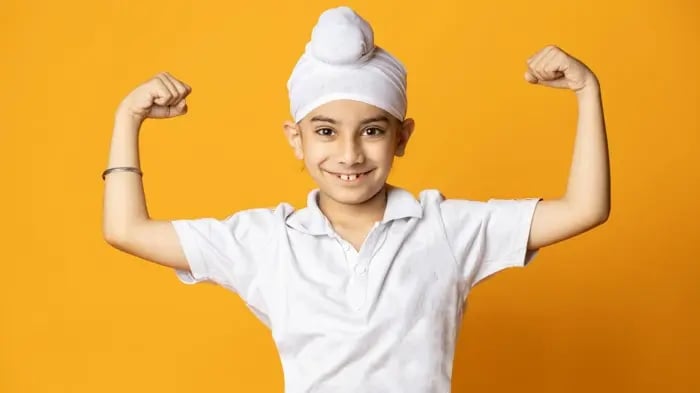
Weight-bearing activity is effective for building true bone density. Support daily activity and balanced nutrition at all stages of childhood. Building strong habits now will support a healthier, more resilient body for life.
Frequently Asked Questions
At what age does the skeletal system for kids finish developing?

Bone density typically peaks in the late twenties, though most growth in height and bone structure completes by the late teenage years for most children.
Why do children have more bones than adults?
Babies are born with around 300 bones, some of which gradually fuse together during growth. Adults typically end up with 206 bones total by adulthood.
What foods support a healthy skeletal system for kids?
Calcium-rich foods like dairy, leafy greens, and fortified products support bone strength. Vitamin D, often from sunlight, helps the body absorb calcium effectively too.
Smriti is a content writer who creates clear, practical, and informative content backed by science and relevant data. With a strong understanding of structured writing, she breaks down complex topics into simple, actionable insights. Her work is focused on helping readers prepare, learn, and grow with confidence and clarity.
The views expressed are that of the expert alone.
Popular Topics