




 Parenting Guide


 Child Health & Growth


 Learning & Skills Development


 Food & Nutrition


 Bournvita






Introduction
Kids learn with their hands before they learn with their words. In the early years, the brain grows most intensely in the area of textures, temperatures, and the resistance of things in the physical world. Kinetic sand and rice are two of the best sensory materials to have at home for toddlers. They are cheap, easily available, and developmentally productive without specialist equipment. Sensory activities for toddlers with these materials develop fine motor skills, sensory integration, and early language simultaneously.
Children who freely play with tactile materials build the neural pathways that writing, reading, and coordination will later demand. Play offers real neurological benefit through the repetition of filling, pouring, pressing and sifting. This is not something toddlers need. They only need the materials and the time. Consistent sensory play in toddler years results in measurably stronger neuromotor integration, better fine motor development, and stronger sensory processing according to the Indian Council of Medical Research.
5 Sensory Activities For Toddlers Using Kinetic Sand And Rice
1. Kinetic Sand Shape Pressing
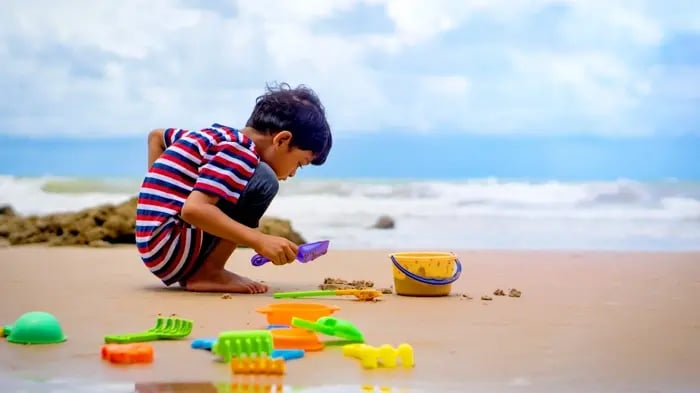
Before this activity, fill a shallow tray with kinetic sand. Have cookie cutters, small cups and flat things to press down with. Children press each shape well into the sand. They lift the tool to see what impression it makes. This toddler sensory activity is great for developing shape recognition and cause-and-effect reasoning. The steady hand pressure required naturally develops fine motor control. Encourage children to say the name of each shape as they press down and lift up. Vocabulary and tactile engagement build in the same session. Kinetic sand's satisfying give encourages kids to play longer without adult prompting.
2. Rice Pouring and Measuring Station
Place rice in 3 containers with varying amounts. Provide a range of small cups, spoons and funnels. Kids pour, scoop, funnel, and compare volumes of rice between containers. The sound of rice pouring from one container to another provides an auditory sensory layer. Place the station inside a large plastic bin so scatter is contained. No cleanup anxiety means parents are likely to offer this activity and will do it more often.
3. Hidden Object Rice Dig
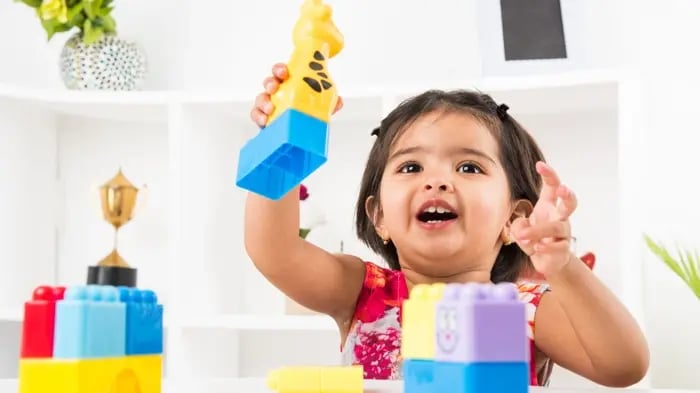
Bury ten to fifteen small familiar objects into the rice. Use toy animals, buttons and small wooden shapes for buried treasures. Children use their hands or small spoons to sift through rice to find each item. This toddler sensory activity helps build focused, sustained attention and tactile object recognition. Retrieving objects without disturbing others develops precise fine motor control. Name the found object together to build vocabulary during the session. Set out a simple picture checklist next to the tray for children to methodically match found items against. Digging has a goal-directed aspect that keeps toddlers engaged much longer than open-ended pouring.
4. Kinetic Sand Building and Sculpting
Use kinetic sand in two different colors for this activity. Tools include popsicle sticks, small plastic knives and shaped moulds. Children build walls, towers and landscape features freely and independently. They learn the difference between kinetic sand and beach sand or clay by testing it themselves. This is a sensory activity for toddlers to develop spatial reasoning and bilateral hand coordination with construction play. Four- and five-year-olds can try out bridges, enclosures and stacked towers. The inevitable structural collapse teaches real material properties and structural limits. Children rebuild without being asked, with a natural persistence through sensory engagement.
5. Rice and Sand Sensory Comparison Tray
For this activity, put two identical shallow trays side by side. Use one with kinetic sand and the other with raw rice. At the same time, children are free to explore the materials with their hands. This sensory activity for toddlers develops the comparison skills that are at the core of scientific thinking. Ask specific sensory questions to guide language during the comparison. When you pour sand, does it feel heavier, cooler, or noisier than rice? Children who compare sensory experiences develop descriptive vocabularies and analytical thinking. This dual material session leads to a more robust language development than single material activities can provide on their own.
5 Things To Keep In Mind For Parents
Supervision Is Non-Negotiable
All sensory activities for rice toddlers require close, direct adult supervision for children under age 3. Rice is a choking hazard and must never be put into or inhaled during rough play. Under no circumstances should a toddler be left unsupervised with loose grain materials. Small buried objects present further hazards and this is to be constantly in the mind of adults at all times of each session.
Contain the Play Area Thoughtfully
Make sensory activities for toddlers inside a big storage bin or on a plastic tarp. The material reduces cleanup time from 45 minutes to around 5 minutes. Parents dread the clean-up after sessions, and it’s almost immediately gone from the weekly routine.
Introduce One Material at a Time
Provide kinetic sand or rice alone and combine them in the same session. Some toddlers do not find too much sensory novelty engaging, but overwhelming. A bad first sensory experience takes weeks of gentle reintroduction to get over. Over weeks of separate sessions with gradual introduction, toddlers develop comfort and genuine enthusiasm for sensory activities.
Guide Language Without Directing Play
In toddler sensory activities, simply tell children what they’re doing without redirecting them. Be consistent with parallel talk. “You are pouring the rice into the little cup.” The method produces words related to the child’s current sensory experience. Never tell toddlers what to do next. The deepest developmental benefit comes from self-direction.
Respect Individual Sensory Differences
Some toddlers actually find some textures uncomfortable rather than fun in sensory activities for toddlers. Never force a child’s hands into a material they resist. Forced exposure to sensory input leads to anxiety, not integration and tolerance with time. Offer other textures slowly, letting children explore new materials thoroughly in their own time.
Conclusion
Sensory activities with kinetic sand and rice are affordable ways to provide toddlers with rich developmental experiences. Children who explore these materials develop fine motor skills, sensory processing capacity and early scientific observation through genuinely enjoyable play. Parents who establish regular sensory sessions are investing in the most neurologically receptive period of their child’s development—making each session truly consequential for the years of learning to come.
Frequently Asked Questions
Q1. Is rice safe for all toddlers during sensory activities?

Uncooked rice suits sensory activities for toddlers aged three and above with direct adult supervision, but replace with larger pasta shapes for children under three who still mouth objects during play.
Q2. How long should a sensory activities for toddlers session typically last?
Most sensory activities for toddlers are naturally self-limiting at 15 to 25 minutes, as toddlers signal completion through distraction or material scattering rather than continued focused exploration.
Q3. Can sensory activities for toddlers help children who resist messy textures?
Gradual, pressure-free repeated exposure through sensory activities for toddlers sessions typically builds sensory tolerance over four to six weeks in children who initially resist direct material contact.
Smriti is a content writer who creates clear, practical, and informative content backed by science and relevant data. With a strong understanding of structured writing, she breaks down complex topics into simple, actionable insights. Her work is focused on helping readers prepare, learn, and grow with confidence and clarity.
The views expressed are that of the expert alone.
Popular Topics