


 Parenting Guide


 Child Health & Growth


 Learning & Skills Development


 Food & Nutrition


 Bournvita





Introduction
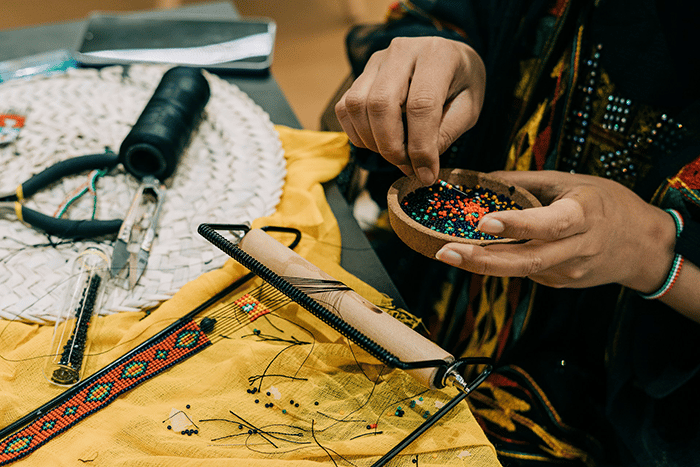
Exam stress can leave children feeling anxious, overwhelmed, and under pressure. Creative activities such as drawing, painting, coloring, and crafting can provide a relaxing break from studies and give children a simple way to express their feelings. These activities can also encourage focus, confidence, social interaction, and creative thinking. When included alongside healthy study habits, regular breaks, sleep, and support from parents, art and crafts can help children manage exam-related stress more comfortably.
What Is Stress Relief Art?
Stress relief art refers to creative activities such as drawing, painting, coloring, sculpting, or crafting that encourage relaxation and self-expression. For children, these activities can provide a calming break from academic pressure while giving them a positive outlet for emotions, creativity, and imagination.
How Art Helps Reduce Stress During Exams
Creative activities can offer children a mindful break from academic pressure while supporting emotional expression, concentration, confidence, social connection, and problem-solving.
Emotional Expression
Drawing: Children can draw faces, scenes, or situations to express feelings they may find difficult to explain.
Painting: Choosing colors and creating pictures can provide a non-verbal emotional outlet.
Crafting: Making cards, models, or paper crafts can keep their hands engaged while helping them relax.
Improved Focus
Activities such as coloring, sketching, or assembling crafts require children to concentrate on small tasks, helping them practise sustained attention in an enjoyable setting.
Boosts Confidence
Completing a drawing, handmade card, or school craft project gives children a sense of achievement and can encourage confidence in their ability to complete tasks.
Social Interaction
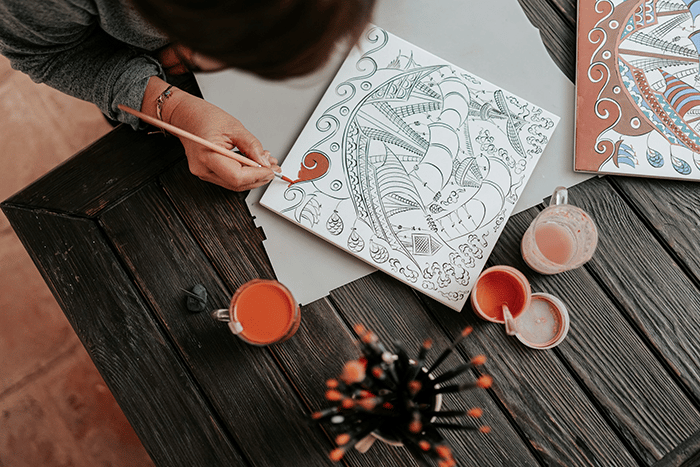
Group drawing, craft sessions, or collaborative projects allow children to share ideas, work together, and enjoy supportive social interaction during stressful periods.
Development of Problem-Solving Skills
Creative projects encourage children to make decisions, experiment, and find solutions, such as choosing materials, fixing a model, or creating a new design.
Best Stress Relief Art Activities for Children
- Coloring: Use coloring books or printable designs for a simple, calming activity.
- Drawing and doodling: Encourage children to draw freely without focusing on perfection.
- Painting: Let children experiment with colors, patterns, and different painting techniques.
- Paper crafts: Try origami, paper flowers, greeting cards, or simple models.
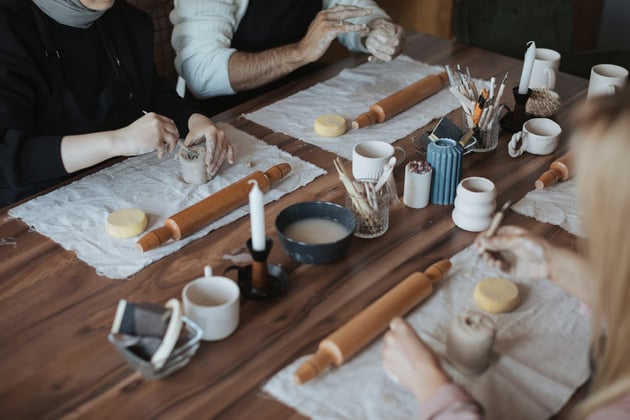
- Clay modelling: Allow children to create shapes, figures, or objects using child-safe modelling clay.
How Parents Can Encourage Creative Stress Relief
- Keep basic supplies easily accessible.
- Focus on enjoyment rather than the final result.
- Let children select activities they genuinely enjoy.
- Include creative activities between longer study sessions.
- Participate in drawing or crafting to make the activity more enjoyable and social.
Art Therapy vs Recreational Art Activities
| Aspect | Art Therapy | Recreational Art Activities |
| Purpose | Supports therapeutic and emotional needs | Encourages relaxation and enjoyment |
| Guidance | Led by a trained professional | Can be done independently or with parents |
| Focus | Emotional and psychological wellbeing | Creativity, relaxation, and recreation |
| Activities | Drawing, painting, clay work and other guided techniques | Coloring, crafts, doodling, painting and DIY projects |
| For exam stress | May be considered when stress significantly affects wellbeing | Useful as a regular relaxing break from studies |
Signs Your Child May Need Stress-Relief Activities
- Frequently appears worried or overwhelmed about exams.
- Has difficulty relaxing after study sessions.
- Becomes unusually irritable or frustrated.
- Finds it difficult to concentrate because of academic worries.
- Loses interest in activities they usually enjoy.
Conclusion
Art and crafts can give children a simple and enjoyable way to take breaks, express emotions, and relax during exam periods. Drawing, coloring, painting, and crafts can also encourage focus, confidence, social interaction, and creative thinking. Parents can include short, pressure-free creative sessions alongside balanced study routines to support children's overall wellbeing.
Frequently Asked Questions
How does stress relief art help children during exams?

Creative activities provide a relaxing break and give children a positive outlet for emotions and academic pressure.
What are the best art activities for stress relief?
Coloring, drawing, painting, paper crafts, doodling, and clay modelling are simple options children can enjoy.
Can drawing reduce exam anxiety?
Drawing can provide a calming creative outlet and help children shift their attention away from academic worries.
How often should children engage in creative activities?
Short creative breaks can be included regularly between study sessions according to the child's routine and preferences.
Is coloring good for stress management?
Yes. Coloring can encourage focused attention and provide a quiet, enjoyable break from academic tasks.
What materials are needed for stress relief art?
Basic supplies such as paper, crayons, colored pencils, paints, brushes, glue, and child-safe craft materials are sufficient.
Can arts and crafts improve focus and concentration?
Regular creative activities involve sustained attention and following steps, which can help children practise concentration.
Her love for storytelling began with reading her grandfather’s speeches, where Tarishi saw the power of words in creating lasting memories. Combining her passions for food and writing, she has turned her life into a fulfilling path of sharing stories that celebrate flavours and how food brings communities together.
The views expressed are that of the expert alone.