




 Parenting Guide


 Child Health & Growth


 Learning & Skills Development


 Food & Nutrition


 Bournvita






Introduction
Routines and discipline in early childhood help children feel secure, confident, and ready to learn. A predictable daily schedule gives them stability while teaching important life skills like responsibility, time management, and independence. Consistent routines for school, meals, play, and bedtime create healthy habits that support both emotional and physical development.
Beyond adding structure to the day, routines reduce uncertainty and make everyday transitions easier. Children know what to expect, which helps lower stress and builds self-discipline over time. Whether it's a regular bedtime, homework schedule, or family mealtime, these simple habits lay the foundation for lifelong organisation, confidence, and well-being.
Benefits of Routine for Kids

Establishing consistent routines helps children develop healthy habits, emotional security, and essential life skills.
Improved Time Management Skills
Daily routines teach children how to prioritise tasks, manage their schedules, and complete responsibilities on time. These habits prepare them for school, extracurricular activities, and future commitments.
Sense of Order and Organization
A predictable routine helps children stay organised and understand what comes next during the day. This reduces confusion and makes daily responsibilities easier to manage.
Development of Self-Discipline and Focus
Following regular routines encourages children to stay committed to their responsibilities. Over time, they develop better concentration, accountability, and the discipline needed to complete tasks independently.
Improves Social Skills
Structured routines help children understand expectations at home, school, and social settings. This encourages cooperation, respectful behaviour, and stronger relationships with family, teachers, and friends.
Reduction of Stress and Anxiety
Knowing what to expect each day gives children a sense of safety and control. Predictable routines reduce anxiety during transitions and help children handle new situations with greater confidence.
How to Establish a Good Routine for Kids

Building a routine takes consistency, patience, and small daily efforts that gradually become lifelong habits.
Start Small
Begin with one or two simple habits, such as brushing teeth before bed or packing the school bag every evening. Small successes build lasting routines.
Get Organized
Create a daily schedule that includes study time, meals, play, and bedtime. Keeping routines visible helps children remember and follow them consistently.
Involve the Family
Make routines a family effort by encouraging everyone to follow similar schedules. Shared responsibility creates consistency and motivates children to stay on track.
Establish Rituals
Add enjoyable rituals like bedtime stories, family dinners, or morning walks. These comforting activities strengthen family bonds while making routines easier to follow.
Involve Children in Planning
Let children choose between simple options within the routine, such as selecting healthy snacks or deciding the order of evening activities. This gives them a sense of ownership and encourages cooperation.
Signs Your Child's Routine May Need Adjusting
As children grow, their routines should grow with them. Watch for these signs that it's time to make changes:
- Your child frequently resists or refuses to follow the routine.
- Daily transitions regularly lead to meltdowns or frustration.
- Homework, meals, or bedtime consistently feel rushed.
- Your child's school schedule, interests, or responsibilities have changed.
- The routine feels too strict or no longer suits your child's age and developmental needs.
Review the routine every few months and make small adjustments to keep it realistic, flexible, and supportive.
Conclusion
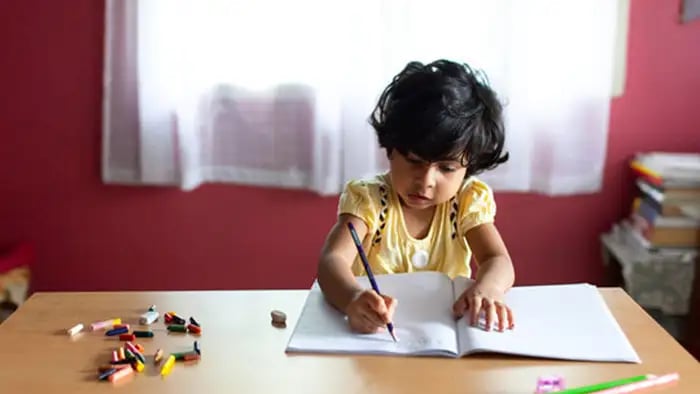
The importance of routine goes far beyond organising a child's day. Consistent routines build discipline, confidence, emotional security, and healthy habits that support lifelong success. By creating predictable daily patterns while remaining flexible as children grow, parents provide a strong foundation for independence, resilience, and overall well-being.
Frequently Asked Questions
At what age should parents start establishing routines for kids?

Parents can begin simple routines during infancy with regular feeding and sleeping schedules. As children grow, routines can gradually include playtime, learning, and household responsibilities.
How long does it take for a new routine to become a habit for a child?
Every child is different, but with consistent practice, many routines begin to feel natural within a few weeks. Patience and repetition are the keys to long-term success.
What should parents do if their child resists following a routine?
Stay calm, keep expectations consistent, and involve your child in creating the routine. Offering simple choices and positive encouragement often helps children adjust more willingly.
Her love for storytelling began with reading her grandfather’s speeches, where Tarishi saw the power of words in creating lasting memories. Combining her passions for food and writing, she has turned her life into a fulfilling path of sharing stories that celebrate flavours and how food brings communities together.
The views expressed are that of the expert alone.
Popular Topics