




 Parenting Guide


 Child Health & Growth


 Learning & Skills Development


 Food & Nutrition


 Bournvita





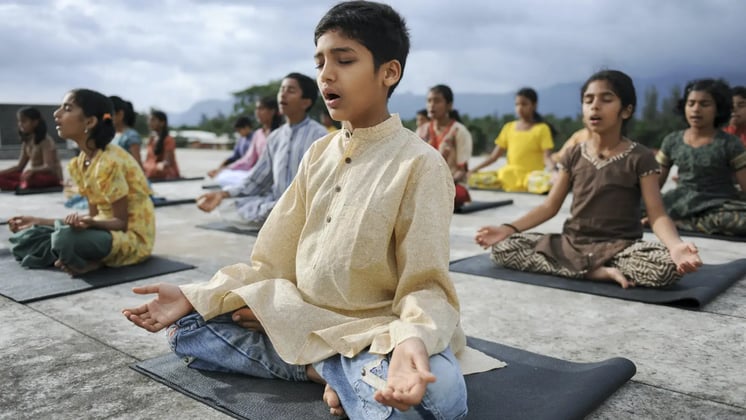
How Family Spirituality and Cultural Practices Support Kids' Mental Health
Family spirituality is very important, as it can give children a sense of identity, belonging, and purpose while also helping them build emotional strength. One might not often believe this, but spirituality and child well-being are connected. Simple practices such as gratitude, reflection, prayer, or mindfulness can give children a calm space to understand their feelings and cope with everyday challenges.
Cultural practices can offer the same sense of connection by helping children understand their heritage and family traditions. Celebrating festivals, sharing stories, and spending time with relatives can strengthen family bonds and give children a feeling of continuity. Together, these practices can support spirituality and child wellbeing while teaching values that children can carry into different stages of life.
The Role of Family Spirituality and Cultural Practices in Kids' Mental Health
Family traditions and spiritual practices can influence how children understand themselves, relate to others, and respond to difficult situations. Their benefits can extend beyond individual practices to everyday family relationships.
Sense of Identity and Belonging
Knowing about family roots and cultural traditions can help children understand where they come from. This sense of identity can build confidence and make children feel connected to their family and community, especially during periods of change or uncertainty.
Emotional Support and Stability
Regular family rituals can create a predictable and comforting environment. Whether it is a weekly family tradition, a festival celebration, or a quiet moment of reflection, these shared experiences can help children feel secure, supported, and cared for.
Values and Moral Development
Family spirituality often introduces children to values such as kindness, compassion, honesty, and respect. Cultural traditions can reinforce these lessons through stories, celebrations, and everyday family interactions, helping children develop a thoughtful approach to relationships and decisions.
Coping Mechanisms and Resilience
Practices such as prayer, meditation, reflection, or cultural rituals can provide children with healthy ways to cope with difficult emotions. They can provide a familiar source of comfort during stressful situations and help children develop resilience over time.
Community and Social Connections
Many cultural and spiritual practices involve extended family or wider communities. Taking part in these activities can help children develop social skills, form meaningful relationships, and feel connected to people beyond their immediate household.
Intergenerational Bonds
Family traditions often bring children together with grandparents and other relatives. Listening to family stories, celebrating traditions together, or learning traditional activities can strengthen these relationships and help children appreciate different generations.
Encouraging Gratitude and Reflection
Gratitude and reflection can help children pause and notice the positive parts of their lives. Simple habits, such as talking about something they are thankful for, can encourage a more balanced outlook and help them recognise the supportive people and experiences around them.
5 Ways to Practise Family Spirituality and Culture at Home
There is no single way to bring family spirituality and cultural practices into everyday life. Families can choose simple activities that suit their values, beliefs, traditions, and children's ages.
Meditation and Mindfulness
Short mindfulness activities can help children pay attention to their thoughts, feelings, and surroundings. Deep breathing, guided imagery, or mindful observation can be introduced for a few minutes at a time. Regular practice may support focus and emotional regulation.
Prayer and Reflection
For families who follow a religious tradition, prayer can be a meaningful way to create a sense of connection and comfort. Children can also be encouraged to spend a few quiet minutes reflecting on their day, expressing gratitude, or thinking about something they would like to improve.
Cultural Celebrations and Rituals
Festivals, holidays, traditional meals, music, clothing, and family customs can help children learn about their heritage. Involving children in age-appropriate preparations can make these traditions more meaningful while strengthening family connections.
Storytelling and Folklore
Traditional stories, myths, and family anecdotes can introduce children to important values in an engaging way. Stories about kindness, courage, resilience, and helping others can become opportunities to discuss how these values apply to everyday life.
Yoga and Physical Practices
Yoga combines movement, breathing, and awareness. Child-friendly poses and simple breathing exercises can help children become more aware of their bodies while providing a relaxing activity. Families can also adapt other traditional physical practices that fit their cultural background.
How to Introduce These Practices to Kids of Different Ages
Spiritual and cultural activities work best when they match a child's age and understanding. Young children may respond better to short, simple activities, while older children can take a more active role.
-
Toddlers and preschoolers:Keep activities brief and concrete. A gratitude ritual before bedtime, simple breathing, songs, family stories, or helping with festival preparations can introduce these ideas naturally.
- School-age children: Encourage children to ask questions about family traditions and participate in rituals. They can keep a simple gratitude journal, practise short mindfulness exercises, or help grandparents record family stories.
- Teenagers: Give older children more choice and independence. They can explore the meaning behind traditions, practise meditation, reflect through journaling, or discuss values and beliefs with family members. Open conversations are especially important at this stage, as teenagers may want to understand traditions rather than simply follow them.
The goal is not to make every activity a routine or obligation. Children are more likely to connect with these practices when they feel that they are meaningful, age-appropriate, and comfortable.
Conclusion
Family spirituality and cultural practices can give children a strong sense of connection while supporting emotional well-being and resilience. Simple rituals, meaningful conversations, cultural celebrations, and shared moments of reflection can strengthen family relationships and teach valuable life skills. What matters most is creating practices that feel genuine, supportive, and appropriate for the child.
Frequently Asked Questions
At What Age Can Children Start Practising Meditation or Mindfulness?

Children can start with simple mindfulness activities from a young age. Toddlers and preschoolers can try short breathing exercises or mindful observation, while older children can gradually practise guided meditation for longer periods.
How Can Families Without a Specific Religion Still Incorporate Spiritual Practices?
Spirituality does not have to be tied to a particular religion. Families can focus on gratitude, kindness, reflection, mindfulness, spending time in nature, helping others, or discussing values and purpose in ways that feel meaningful to them.
How Do Cultural Traditions Help Children Build Resilience?
Cultural traditions can give children a sense of identity, continuity, and community. Knowing that they belong to a family with shared stories and traditions can provide comfort and a sense of connection when they face challenges or change.
What Are Simple Ways to Start Family Rituals If We Don't Have Any Yet?
Start with something small and repeatable, such as sharing one thing everyone is grateful for at dinner, having a weekly family meal, telling a family story, or spending a few quiet minutes together before bedtime. Consistency can gradually turn a simple activity into a meaningful family ritual.
The views expressed are that of the expert alone.
Popular Topics