



 Parenting Guide


 Child Health & Growth


 Learning & Skills Development


 Food & Nutrition


 Bournvita





Introduction
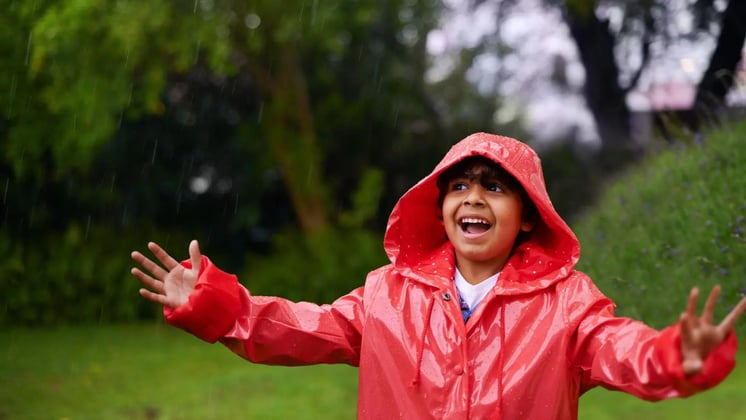
The monsoon brings relief from scorching heat but poses serious health risks for children. A 2023 study published by the World Health Organization confirmed that waterborne and vector-borne disease cases increase by almost 30 percent during monsoon months around the world. Children ages 6 to 15 have a still-developing immune system, making their bodies less able to fight infections caused by bacteria, viruses, and fungi that flourish in humid, wet environments.
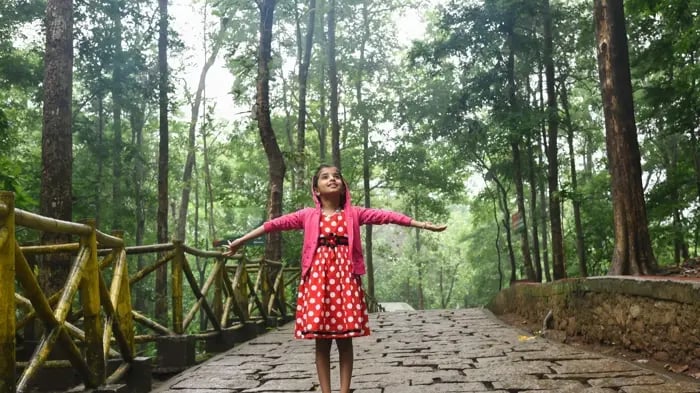
Mosquitoes breed in standing water. Dampened surfaces quickly develop mold and fungus. Contaminated water enters food supply chains with no visible warning. Schools, playgrounds, and communal spaces turn into high-risk areas for respiratory infections, gastrointestinal illnesses, and skin conditions. Seasonal changes further weaken children's natural defenses, making them more susceptible to fever, colds, and digestive disorders.
Parents who know the biological and environmental triggers behind monsoon illnesses can make sharper decisions regarding food, hygiene, activity, and medical preparedness. Taking a proactive stance in these months can go a long way in reducing sick days, hospital visits, and long-term health setbacks. Covering all the important aspects ofmonsoon prevention in kids between the ages of 6 and 15.
The Ultimate Guide For Monsoon Disease Prevention In Kids
Guide for Indoors: Food and Hygiene
Prioritize Boiled and Filtered Water Only For Monsoon Disease Prevention In Kids
During monsoon, tap water contamination shoots up dramatically due to overflowing drainage and compromised municipal filtration. Waterborne diseases like typhoid and cholera peak in the June–September monsoon season. There is no exception that children should only drink boiled or certified filtered water. Refill school bottles daily from verified home sources. In this season, never permit children to take water from roadside stalls, school taps, or outdoor fountains.
Eliminate Raw and Cut Fruits From Outside Sources
Roadside-cut fruits have a concentrated bacterial load during the monsoon, as flies, rainwater, and warm temperatures accelerate contamination. Eat only fresh produce, which has been washed thoroughly under running water and prepared at home. During high-humidity months, children ages 6 to 14 are especially vulnerable to E. coli and Salmonella infections from improperly handled food.
Enforce Consistent Handwashing Before Every Meal
Handwashing with soap for at least 20 seconds before meals and after using the bathroom continues to be the most effective hygiene intervention available. The monsoon season increases the frequency of hand contamination because children are constantly touching wet railings, shared umbrellas, and damp surfaces. Liquid soap dispensers in kitchen and bathroom sinks increase compliance for children 6 and older compared to bar soap.
Keep Kitchen Surfaces and Utensils Dry After Every Use
The moisture left on kitchen slabs, cutting boards, and utensils provides ideal conditions for fungal and bacterial growth indoors. During monsoon humidity, damp sponges and dishcloths become sources of contamination within hours. Parents are advised to allow all utensils to air dry thoroughly before putting them away and to change the kitchen sponges every two weeks during the season. Indoor molds, such as Aspergillus, are known to cause respiratory infections in children and can flourish in poorly ventilated areas.
Improve Indoor Ventilation to Reduce Airborne Illness Spread
During a monsoon, poor ventilation traps moisture, allergens, and airborne pathogens inside the house, thereby directly increasing the risk of respiratory infections in children. During dry spells, it's advisable to keep the windows slightly ajar to allow fresh air in. Using exhaust fans in bathrooms and kitchens significantly reduces indoor fungal spore concentration, which triggers asthma and sinusitis in school-age children.
Guide for Outdoor Prevention and Precautions
Apply Mosquito Repellent Before Every Outdoor Activity
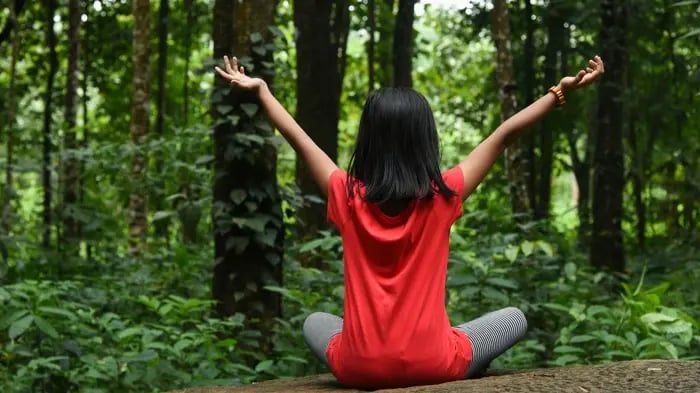
During the monsoon, mosquito-borne diseases like dengue and malaria peak as stagnant water collects in all outdoor spaces. Children playing outside after school or on weekends face direct and repeated exposure to infected mosquito bites without sufficient protection. Parents should use a pediatrician-safe insect repellent containing 10 to 20 percent DEET or plant-derived picaridin on all exposed skin.
Avoid Wading or Playing in Flooded Streets and Puddles
Floodwater and street puddles are contaminated with sewage overflows, chemical runoff, and pathogenic bacteria, including Leptospira, which causes leptospirosis, a serious bacterial infection. Puddles and waterlogged streets are irresistible to children, so parental supervision and clear boundary-setting are crucial when going out in the monsoon. Any nick, scrape, or open skin wound that comes into contact with contaminated floodwater provides direct entry points for bacteria and should be treated immediately.
Change Wet Clothes and Footwear Immediately After Returning Home
Wearing wet clothes for a long time reduces the body’s temperature and weakens its immune response, leading to skin conditions such as fungal rashes and eczema flare-ups. Children often resist changing out of wet clothes quickly, so it’s a parenting habit to establish firm routines. Fungal infections of the feet and toes in damp socks and shoes develop over 24 to 48 hours after repeated exposure to moisture.
Carry a Reusable Waterproof Bag for Damp Belongings
Rain-soaked school bags become breeding grounds for mold, which directly transfers to the books, stationery, and tiffin boxes that children handle every day. Wet bags that contact the skin during long commutes also cause fungal skin irritation on backs and shoulders. A waterproof bag cover or a separate sealed bag for wet items prevents cross-contamination. Every evening, parents should check the school bags and air-dry them. They should also see that the tiffin boxes are not accumulating moisture, which will affect the food kept inside.
Monitor Children for Early Fever Symptoms Without Delay
Monsoon fevers can escalate quickly in children because multiple infections, including dengue, influenza, and leptospirosis, can circulate simultaneously, each requiring different treatment approaches. If during the monsoon months one has a fever above 38.5 degrees Celsius that lasts more than 24 hours, it's time to seek a medical evaluation rather than just manage it at home with antipyretics. Tracking fever patterns, skin rashes and joint pains together provides doctors with important diagnostic information.
Monsoon Disease Prevention In Kids – Essentials To Gather
| Item | Purpose | Age Group |
|---|---|---|
| Pediatric mosquito repellent | Dengue and malaria prevention | 6 to 15 |
| Waterproof raincoat and boots | Prevent soaking and leptospirosis exposure | 6 to 15 |
| ORS packets | Rapid rehydration during diarrheal illness | 6 to 15 |
| Digital thermometer | Early fever monitoring at home | 6 to 15 |
| Antifungal powder | Prevents foot and skin fungal infections | 10 to 15 |
| Certified water filter or purifier | Safe drinking water at home | All ages |
| Liquid hand soap dispenser | Consistent handwashing compliance | 6 to 15 |
| Waterproof school bag cover | Protects books and food from contamination | 6 to 14 |
| Vitamin C supplement (doctor-approved) | Immune support during seasonal transition | 6 to 15 |
| First aid kit with antiseptic | Immediate wound care before medical help | All ages |
Conclusion

Monsoon disease prevention in kidsstarts with regular day-to-day practices, not emergency measures. Hydration, hygiene, protective clothing, and early recognition of symptoms are the pillars of seasonal child health. Parents who incorporate these practices into everyday routines provide children with the best possible protection from the broad spectrum of infections and health threats this season.
Smriti is a content writer who creates clear, practical, and informative content backed by science and relevant data. With a strong understanding of structured writing, she breaks down complex topics into simple, actionable insights. Her work is focused on helping readers prepare, learn, and grow with confidence and clarity.
The views expressed are that of the expert alone.
Popular Topics