



 Parenting Guide


 Child Health & Growth


 Learning & Skills Development


 Food & Nutrition


 Bournvita




Introduction

Strong bones support an active and growing childhood. Since bones are living tissue, children need a regular supply of nutrients to support normal bone development and maintenance. A balanced diet to strengthen bones should provide calcium along with vitamin D, protein, phosphorus, magnesium, and other nutrients.
Calcium is important, but it is not the only nutrient involved in bone health. Vitamin D helps the body absorb calcium, while protein and minerals such as phosphorus and magnesium contribute to normal bone structure and function. Physical activity also supports bone strength alongside good nutrition.
Which Nutrients Support Children’s Bone Health?
| Nutrient | How it supports bones | Food sources |
| Calcium | Supports bone and tooth structure | Milk, curd, paneer, ragi, tofu |
| Vitamin D | Helps the body absorb calcium | Fortified foods, eggs, some fish |
| Protein | Supports growth and tissue development | Dal, dairy, eggs, soy, fish |
| Phosphorus | Helps form bones and teeth | Dairy, pulses, nuts, fish |
| Magnesium | Supports normal bone structure | Nuts, seeds, whole grains, greens |
| Vitamin K | Involved in normal bone metabolism | Leafy greens, vegetables |
Bone-Healthy Indian Meal and Snack Ideas
Ragi Banana Porridge
A soft breakfast combining ragi with milk and banana for a simple calcium-containing meal.
- Ingredients:2 tbsp ragi flour, ½ cup milk, ½ banana, ½ cup water.
- Instructions:Cook ragi with water, stir in milk and mashed banana, then serve warm.
Paneer Roti Roll
A simple lunch option combining paneer with vegetables and a whole-wheat roti.
- Ingredients:1 small roti, 40 g paneer, 2 tbsp grated carrot, 1 tbsp curd.
- Instructions:Mix paneer and vegetables, spread over a roti, roll and serve.
Sesame Curd Dip
A calcium-containing snack combining curd with ground sesame and mild seasoning.
- Ingredients:½ cup curd, 1 tsp roasted sesame, a pinch of cumin powder.
- Instructions:Mix all ingredients well and serve with soft vegetable pieces.
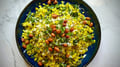
Tofu Vegetable Rice
A balanced meal combining calcium-set tofu, rice, and colorful vegetables in one bowl.
- Ingredients:½ cup cooked rice, 50 g calcium-set tofu, ¼ cup vegetables, 1 tsp oil.
- Instructions:Lightly sauté vegetables and tofu, add cooked rice and mix thoroughly.
Dairy-Free Foods for Bone Health
Children who avoid dairy can still get calcium from calcium-set tofu, calcium-fortified plant drinks, sesame, beans, and suitable leafy greens. Check labels because not every plant-based drink is fortified with calcium or vitamin D. Calcium needs vary with age, so a varied diet should include several sources across the day.
For younger children, dairy alternatives should be selected carefully for nutritional suitability and age. Fortified unsweetened options may provide calcium and vitamin D when appropriately chosen.
Food, Sunlight, Activity, and Supplements
A diet that strengthens bones works best alongside regular physical activity and adequate vitamin D. Weight-bearing activities such as walking, running, and age-appropriate jumping place healthy demands on growing bones. Vitamin D can come from food, sunlight and supplements when recommended.
Do not start calcium or vitamin D supplements simply because a child is growing. If intake is inadequate or deficiency is suspected, a paediatrician can recommend appropriate testing, dosage and supplementation.
7 Bone-Strengthening Foods for Children

Dairy or Dairy Alternatives: Milk, Curd and Paneer
Dairy foods provide calcium and protein, while some fortified alternatives also provide vitamin D and calcium.
- Serving idea:Add curd to lunch or paneer to a vegetable wrap.
- Allergen note:Milk contains dairy proteins; choose suitable alternatives for children with allergies.
- Safety:Use pasteurised dairy products.
Leafy Green Vegetables: Spinach, Amaranth and Methi
Leafy greens provide several nutrients, including vitamin K and magnesium. Some contain calcium, but calcium from spinach is less readily absorbed because of its oxalate content.
- Serving idea:Mix methi into paratha or add amaranth to dal.
- Allergen note:Wash greens thoroughly and introduce unfamiliar foods appropriately.
- Safety:Cook greens well for younger children.
Eggs
Eggs provide protein and contain small amounts of vitamin D and phosphorus, making them useful as part of a varied diet.
- Serving idea:Serve a well-cooked egg with toast, vegetables or rice.
- Allergen note:Egg is a common allergen, so introduce it appropriately.
- Safety:Serve eggs fully cooked to children.
Nuts and Seeds: Almonds, Sesame and Chia
Nuts and seeds provide nutrients such as magnesium, and sesame can contribute useful amounts of calcium.
- Serving idea:Add ground sesame to chutney or finely ground nuts to porridge.
- Allergen note:Nuts and seeds can cause allergies.
- Safety:Never give whole nuts to young children because of choking risk; use age-appropriate forms.
Fatty Fish
Some fish provide vitamin D and protein, while small fish eaten with their edible bones, such as sardines, can provide substantial calcium.
- Serving idea:Serve boneless, thoroughly cooked fish with rice and vegetables.
- Allergen note:Fish is a common allergen.
- Safety:Carefully remove bones before serving children.
Ragi (Finger Millet)
Ragi is a traditional Indian grain that provides calcium along with other nutrients and can be included in a varied diet.
- Serving idea:Prepare ragi porridge, dosa, roti, or a soft ragi-based snack.
- Allergen note:Ragi is naturally gluten-free.
- Safety:Prepare it in a soft, age-appropriate texture for younger children.
Tofu and Edamame
Calcium-set tofu can provide calcium and protein, while edamame provides protein and several minerals.
- Serving idea:Add tofu to a mild vegetable stir-fry or serve mashed edamame with a meal.
- Allergen note:Both are soy products and may not suit children with soy allergies.
- Safety:Use soft tofu and mash or cut foods into age-appropriate pieces.
Conclusion

A child’s bone strength does not depend on one food or nutrient. A varied diet containing calcium, vitamin D, protein, and supportive minerals can help meet nutritional needs during growth, while regular physical activity adds another important part of bone health. Include foods such as dairy or suitable fortified alternatives, ragi, tofu, seeds, pulses, vegetables, eggs or fish according to your child’s dietary preferences.
Frequently Asked Questions
What foods are best for children’s bone health?

Dairy, ragi, calcium-set tofu, sesame, beans, leafy greens, eggs and some fish can contribute important bone-supportive nutrients.
Is calcium enough for strong bones?
No. Calcium works alongside vitamin D, protein, phosphorus, magnesium and physical activity to support normal bone development.
Which Indian foods contain calcium?
Ragi, milk, curd, paneer, sesame, calcium-set tofu, and some leafy vegetables can provide calcium.
Can dairy-free children get enough calcium?
Yes. Calcium-set tofu, fortified drinks, sesame, beans and suitable greens can provide calcium when included in a varied diet.
Her love for storytelling began with reading her grandfather’s speeches, where Tarishi saw the power of words in creating lasting memories. Combining her passions for food and writing, she has turned her life into a fulfilling path of sharing stories that celebrate flavours and how food brings communities together.
The views expressed are that of the expert alone.
Popular Topics