



 Parenting Guide


 Child Health & Growth


 Learning & Skills Development


 Food & Nutrition


 Bournvita




Introduction
Music does much more than fill a room with sound. Musical instruments for kids actively affect the development of young brains. To play an instrument, one has to remember, coordinate, and listen all at once. Many parents are asking themselves, "Which is the right choice for my child?" That question is the reason that this list of best musical instruments for kids exists. Some instruments are better suited to younger children with shorter attention spans. Others reward older children who are ready for structured practice. Interest and hand size are key for choosing musical instruments for kids. A child with a love of rhythm may prefer drums to strings.
A calmer child may prefer the regimented practice of piano instead. Here’s a look at some of the best ones to consider. Cost and learning curve are noted on each entry, as is age appropriateness. It’s good for kids to try a few different instruments at first to see what they like. Parents tend to underestimate the importance of early exposure.
According to a study from the Karolinska Institutet,musical training in childhood also improves working memory over time. These two findings together confirm the lasting value of early exposure to the best musical instruments for kids. Starting young lays a foundation that pays dividends for years. Use this guide as a reference to choose the right one for you.
10 Best Musical Instruments for Kids to Learn and Develop Musical Skills
1. Keyboard/Piano
The piano is a great instrument for starting off for structure and note reading. It develops finger independence slowly, in a string of consistent, steady daily practice sessions. This instrument is quite suitable for patient children who enjoy predictable, repeatable routines. In most neighborhoods and community centers, you can find piano teachers. Digital keyboards also help families just getting started keep costs down. Early introduction of both treble and bass clefs builds concentration and reading skills. Overall, it remains one of the most accessible instruments for children.
2. Ukulele
The ukulele is the right size for small hands and feels good from the beginning. It features soft nylon strings, which are much kinder to the fingers in the early stages of practice. The simple chords mean that after a few weeks kids can play songs that sound familiar. It ultimately makes a friendly first step toward guitar for older kids. The ukulele is lightweight and portable and travels easily to lessons or family trips. The bright, cheerful tone really keeps young beginners motivated and consistently engaged. It’s still one of the most gentle musical instruments to try first for kids.
3. The Violin
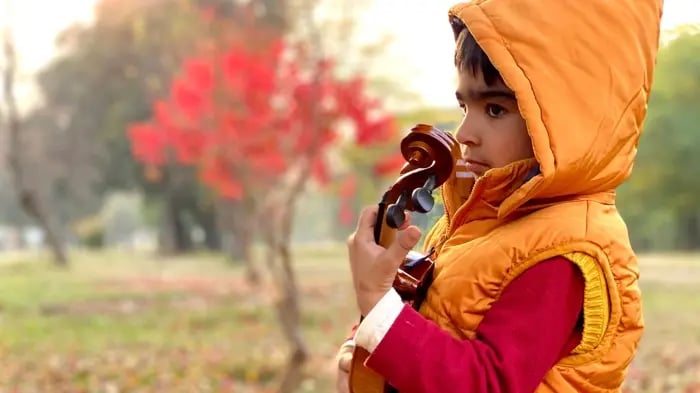
The violin is difficult but very rewarding for focused, motivated children. And it develops sharp ear training and precise, controlled finger placement over time. Suzuki method programs are very good for teaching young violin beginners effectively. The early sounds may sound squeaky until the technique improves steadily and noticeably with practice. Fractional-size violins are available, and they grow with a child's developing body size. The group orchestra classes also promote teamwork and common musical discipline together. Many professional musicians attribute their enduring self-discipline to their early training in violin.
4. Drums
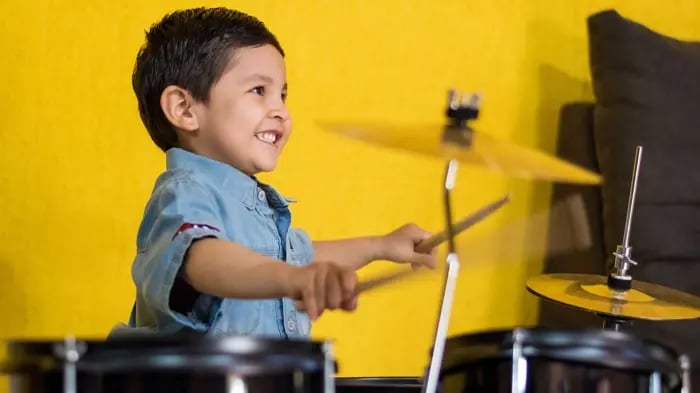
Drums are a great outlet for energetic, rhythm-loving kids who love to move naturally. They develop coordination of hand, foot, and mind through repetitive rhythmic practice. Electronic drum kits are quiet enough for households with thin walls to practice. This instrument is a real confidence boost for high-energy, physically expressive kids in particular. Practicing the drums also develops consistent counting and a good sense of internal rhythm over time. The cheaper drum pads are a better entry point for the cautious first-time beginner. For many kids, drums are the most instantly rewarding instrument of all the options.
5. Tape recorder
The recorder is a popular first instrument taught in many elementary schools. It’s still cheap and light, which makes it really perfect for the young beginner. This instrument teaches basic note reading and develops essential early breath control skills. It also serves as a gentle bridge to flute or clarinet later. Easy, forgiving fingerings make it seem like kids early on can really succeed musically. It’s not often a lifelong instrument for anyone, but it still teaches valuable foundational basics well. For most children the recorder is their first experience with a formal instrument.
6. The guitar
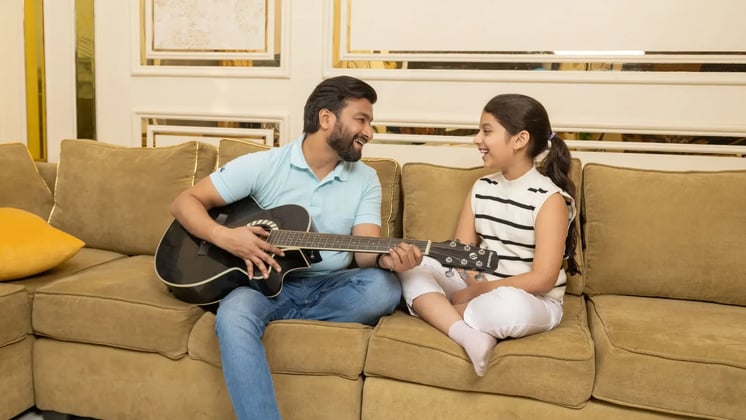
The guitar is still a popular option and loved by almost every age group. In time it builds up strong finger strength and steady, reliable rhythmic timing skills. Smaller travel-size guitars are good for younger beginners who need a more manageable instrument. And the self-motivated kid can learn a lot on his own with the endless supply of free tutorials online. Guitar practice allows for quiet solo sessions and energetic group jam sessions. It's still versatile in a multitude of genres, from folk to pop to rock music styles. Guitar is still one of the most requested musical instruments for kids today.
7. Cello
The cello's rich, deep tones are particularly appealing to thoughtful, patient children. Over time it builds strong postural awareness along with meaningful core body control. This instrument requires more physical space and generally has a bigger initial financial investment. Rent a cello before you buy: This allows families to keep costs in check during the initial trial phase. The cello is especially suited for older children who can focus for a longer period of time. Group ensemble playing also teaches careful listening along with individual technical skill development. It has a warm, ringing tone and often becomes a lifelong favorite of the serious student.
8. Flute
The flute is an advanced choice that demands some serious breath control skills. It's for kids with real patience for mastering tricky embouchure technique early on. It is lightweight and portable and fits in naturally with most school band programs available. For the meticulous, methodical young learner, this instrument is a graceful choice. It builds lung capacity and encourages controlled, steady breathing that improves over time. In fact, many beginning flute students find the early sound production very frustrating. With steady practice, that initial frustration is soon transformed into tangible, hard-won musical pride.
9. Xylophone/Marimbas
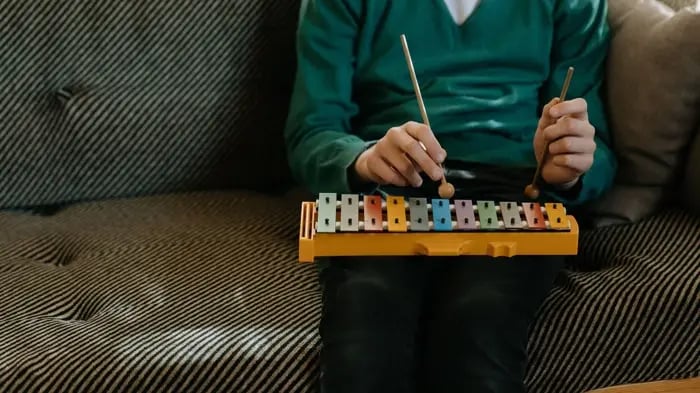
The xylophone is a colorful visual instrument that is especially good for very young children. Develop an early sense of rhythm and real pitch recognition through playful practice. Small hands can grip and control the soft mallets with confidence. This is a fun way for kids to begin with music before they start formal lessons. You repeat the process, and it helps you recognize patterns with brightly colored bars that are labeled. In particular, xylophones are often used in Montessori and preschool music programs. Many preschools use this instrument as a child's first musical experience.
10. Cajón
The cajon is a simple wooden box drum that is also very versatile. Kids will sit right on top of it and play on it like a seat. This instrument develops strong rhythmic skills without complex note reading. Especially since it is still popular in folk, acoustic, and informal family music gatherings. Once bought, the cajon requires no assembly, tuning, or ongoing maintenance. It’s a low-pressure fun way to get into the world of broader percussion instruments that’s refreshing. It’s also wonderfully portable, social, and really low maintenance for all musical instruments for kids.
How Should Parents Support Better: 5 Tips
- Let your child select an instrument based on curiosity rather than parental preference, as motivation is much more powerful when children have genuine ownership of their musical choice.
- Begin with rental instruments and hold off on a major investment until you can see whether your child’s initial interest develops into a long-term, lasting passion over the next few months.
- Schedule short regular practice sessions each day rather than long practice sessions once in a while. Regular repetition is a more reliable way of building skill than infrequent, rushed, and stressful weekend cramming sessions.
- Put together a few early lessons to show real interest, and remember that parental involvement can help a child’s confidence and motivation to keep practicing regularly.
- Criticism or expectations will never keep kids in the game as long as encouragement will, so cheer incremental progress, not perfect execution.
Conclusion
Choosing musical instruments for kids should be a fun experience not a stressful one. USC research finds early music training can have a profound effect on brain development. Be curious the first couple of times. It is not so much the “perfect” instrument as it is consistency that matters. The best musical instruments for kids to practice on, to gain long term benefits.
Smriti is a content writer who creates clear, practical, and informative content backed by science and relevant data. With a strong understanding of structured writing, she breaks down complex topics into simple, actionable insights. Her work is focused on helping readers prepare, learn, and grow with confidence and clarity.
The views expressed are that of the expert alone.
Popular Topics