



 Parenting Guide


 Child Health & Growth


 Learning & Skills Development


 Food & Nutrition


 Bournvita




Introduction
A major concern and priority for parents in the vibrant and diverse culture of India is the health status and well-being of the children. Most of the time, amidst modern lifestyle and busy schedules, the teaching of kids with proper hygiene often gets neglected. Having good hygiene from a young age is very important as this could help protect children from simple illnesses and be with them for life. Below are mentioned ten crucial hygiene practices that each child should be educated about, and parents can teach their children to incorporate these practices appropriately.
A child who learns personal hygiene practices before they turn ten will do these things as an adult without needing to be reminded. The World Health Organization (WHO) says that just washing your hands can cut down on diarrhea in kids by up to 40% and respiratory infections by about 20%. A study published in the European Journal of Cardiovascular Medicine shows that kids who learn about hygiene from a young age have stronger immune systems than kids who don't get structured hygiene education.
Why Personal Hygiene Practices for Children
The importance of proper hygiene is to prevent this from causing illness and promote sound health. Children who can observe good hygiene are likely to suffer fewer infections hence will not be sick, hence, have a lot of days absent from school. Besides, they will have increased self-esteem and develop it throughout their lifetime. Habits also aid in creating a cleaner and healthier environment, hence contributing to the family and the community at large.
10 Essential Hygiene Habits to Teach Your Kids
1. Hand Washing: The First Line of Defense
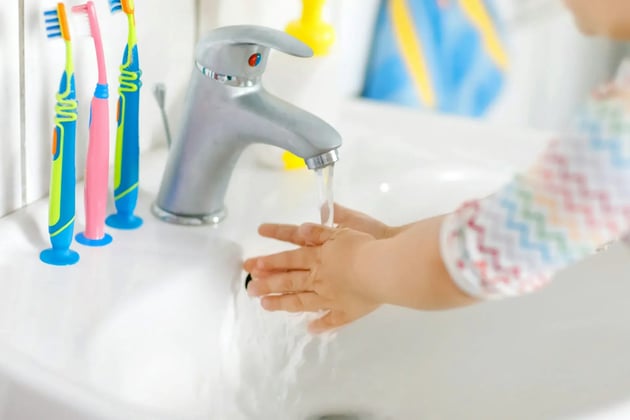
Handwashing is one of the simplest yet most effective ways of preventing germs. With this, a person should also teach his child good handwashing hygiene by scrubbing parts using soap and water for at least 20 seconds, which include the back of hands, in between the fingers, and underneath the fingernails. He or she should be encouraged to wash before eating, after visiting the toilet, and after playing.
2. Oral Hygiene: Brushing and Flossing Fun
Good oral hygiene is the key to preventing tooth decay and gum disease. Teach your children to brush their teeth twice a day for two minutes each time, using fluoride toothpaste. Show them how to brush all surfaces of their teeth and tongue. Also encourage them to floss every day and rinse their mouth with water after meals for a healthy smile.
3. Bathing and Showering Routine
It is important for children to learn to clean their bodies well. Guide them to wash their face, neck, armpits, and feet daily with the help of soap and water. Explain to them the importance of regular bathing, especially after sweating or playing outside, to keep their skin clean and free from infections.
4. Toilet Hygiene and Potty Training
General toilet hygiene is significant in prevention against infections. Instruct the children to wipe from front to back and not to transfer bacteria via haphazard wiping. Ensure that the children wash their hands using soap and water after visiting the washroom. Such practices are supposed to be portrayed to the young one by a parent by observation for a while.
5. Nail Care: Trimming and Cleaning
Long fingernails trap dirt and bacteria that can be transferred to the mouth and cause infection. Teach your child to cut their nails with nail clippers short. Instruct them to cut across the top of the nail with the nail clipper then to file down the edges to prevent hangnails. Continued emphasis should be placed on the need to keep the nails clean and dry.
6. Hair Care and Scalp Health
Washing a child's hair regularly gets rid of sweat, dust, and other pollutants that build up on their scalp while they play outside or go to school. Kids with dirty hair are much more likely to get fungal scalp infections and lice, both of which spread quickly in classrooms. To stop these infections before they start, teach hygiene habits. Kids should wash their hair two to three times a week and comb it gently every day.
7. Cough and Sneeze Etiquette
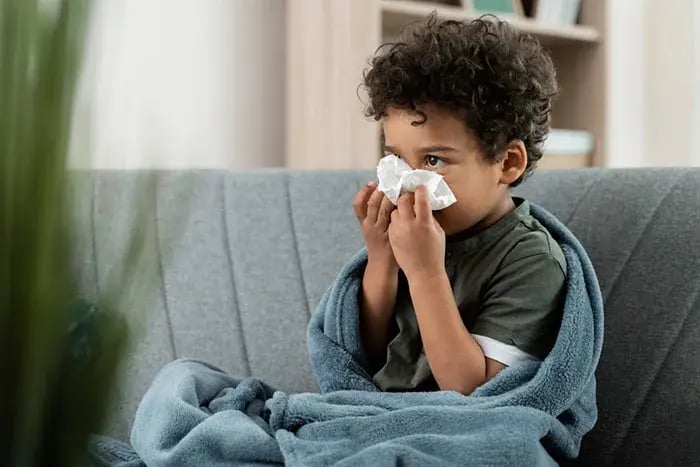
You can prevent the spread of germs by teaching your child proper sneezing hygiene. Show your children how to catch their sneeze or cough with a tissue or their elbow; then, the child should throw the tissue away and wash his or her hands to prevent the spread of the infection.
8. Wearing Clean Clothes and Underwear

General cleanliness should be ensured, including wearing clean clothes, to maintain hygiene and boost self-esteem; inculcate the trait of changing clothes daily, especially underwear and socks, within your children from a tender age. Teach them how to place dirty clothes in the laundry basket and let them know the reason for this, since fresh clothes prevent bad body odor and skin infections.
9. Foot Hygiene and Shoe Care
During a busy school day, kids' feet collect sweat, dirt, and bacteria in ways that they don't notice until they get an infection or a bad smell that won't go away. Maintaining hygiene for kids helps them take care of their feet early on, so they don't often get athlete's foot or other infections that are much harder to treat once they happen.
10. Sleep Hygiene for Growing Bodies
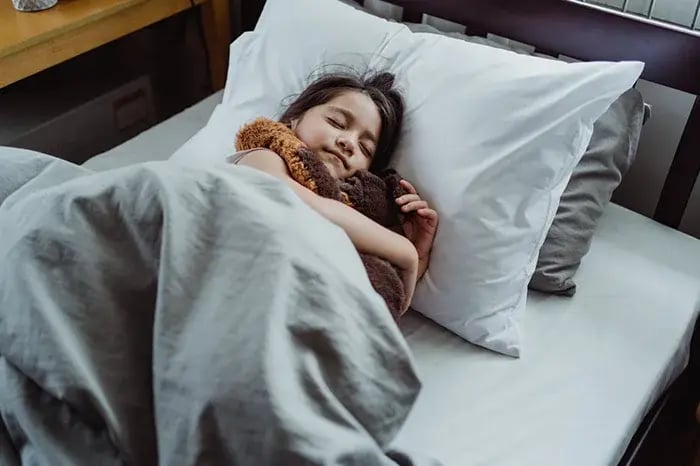
Good sleep hygiene is very crucial for our good health and well-being. Develop a consistent bedtime routine for your children, including an adequate amount of sleep for the child's age. Explain how to put on clean pajamas and keep the child's sleeping place clean, free of clutter, and anything else that may distract the child from sleeping soundly.
Age-Appropriate Hygiene Milestones
Ages 1 to 3: Building Awareness
Toddlers can't clean themselves yet, but they can start to get used to the routines that will become habits later on. The AAP says that teaching a child to wash their hands before meals and after playing outside at this age sets a pattern of behavior that the child can follow on their own later. This makes parental modeling the best way to teach hygiene at this stage of development.
Ages 4 to 6: Guided Independence
With a parent in the room to watch and talk to them about hygiene for children, kids in this age range can start doing basic hygiene tasks. The CDC states that kids ages four to six who wash their hands every day with supervision have lower rates of common childhood illnesses than kids who don't have structured hygiene routines. During this time, kids can learn to brush their teeth with help from their parents, wash their hands on their own, and take a bath with some help.
Ages 7 to 9: Growing Responsibility
Kids in this age range should be able to take care of most of their daily hygiene tasks on their own. Instead of guiding them step by step every time, parents should only check in on them from time to time. The World Health Organization (WHO) says that children who can take care of their own hygiene by age eight are better at controlling themselves in other areas of their lives. This suggests that being responsible for their own hygiene helps them be responsible in school and in social situations.
Ages 10 to 12: Full Independence
By the time they are ten, health and hygiene for kids should be thorough; all of their daily hygiene needs should be met on their own, without being reminded. This includes brushing their teeth, bathing, taking care of their hair, and keeping their nails clean. The Indian Academy of Pediatrics states that pre-adolescent kids benefit a lot from parents talking to them about how their hygiene needs will change before puberty starts, rather than after. This is because getting ready early lowers the anxiety and confusion that physical changes cause when kids experience them without any prior context or guidance from a trusted adult.
Tips to Make Hygiene Fun for Kids
Teaching children to adopt personal hygiene habits is such a hard task that it should be tackled with a lot of patience, consistency, and positive enforcement.
-
Begin with setting a good example with your hygiene practices.
-
Make it fun and use a lot of activities and visual aid materials to demonstrate correct personal hygiene techniques and let them form part of the daily schedule.
-
Praise and reward your children when you see they are striving to attain good hygiene and gently remind them when they forget.
-
Consistency in reinforcement and encouragement will help them to develop such habits.
-
When you praise a child's progress in front of other family members, it makes them feel proud of their hygiene habits. This makes cleanliness a part of how they see themselves instead of something a parent has to enforce.
Conclusion
Personal hygiene practices that protect kids from diseases that can be avoided, boost their self-esteem, and teach them the lifelong responsibility that parents instill in them through consistent early reinforcement at every stage of childhood development are all part of personal hygiene.
Frequently Asked Questions
How often should my child bathe?

School-age kids who are active should wear bathing suits every day, while toddlers can get by with two to three baths a week and washing their hands and face every day. Keeping skin clean without over-washing is one way to practice good personal hygiene. Over-washing can dry out young skin that is already sensitive.
When should kids start using deodorant?
Most kids need a mild deodorant between the ages of nine and eleven, when they start to smell bad because of early puberty and bathing alone doesn't help. One of the things you can do to keep your kid clean is to choose options that don't contain aluminum for younger ones who are just starting to make this change.
How do you make your toddler brush their teeth?
A colorful toothbrush, mild toothpaste made for kids, and a two-minute song challenge turn brushing from a fight into something kids want to do. Making dental care feel fun instead of like a chore from the first tooth is one way to practice good personal hygiene.
Deepali is a senior food and wellness writer with over a decade of experience in top media houses, crafting engaging narratives. She is a professional home baker and loves exploring food from every corner of the world to reading cookbooks. She believes a healthy lifestyle is a combination of both mental and physical fitness. Her goal always remains to keep moving, eating seasonal and practicing gratitude.
The views expressed are that of the expert alone.
Popular Topics