




 Parenting Guide


 Child Health & Growth


 Learning & Skills Development


 Food & Nutrition


 Bournvita






Introduction
A strong emotional connection between parents and children creates the foundation for confidence, trust, communication, and emotional stability. Building a healthy parent-child relationship helps children feel safe, understood, and valued throughout different stages of life. While some families connect easily, others may need more effort, patience, and understanding to strengthen emotional closeness.

Simple daily interactions like listening carefully, spending time together, encouraging conversations, and supporting emotions can improve the parent-child bond over time. Healthy parent-child bonding also supports social growth, learning abilities, confidence, and emotional balance. Children who feel emotionally connected with their parents often communicate more openly and handle challenges more confidently during childhood and teenage years.
What Is a Parent-Child Bond?
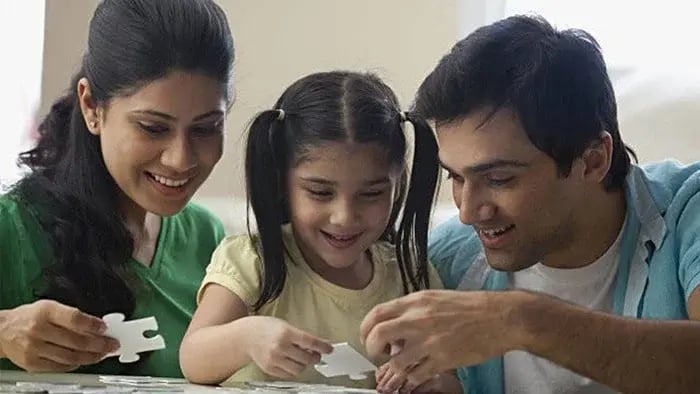
A parent-child bond is the emotional connection shared between parents and children through trust, love, communication, and daily interaction. Emotional bonding begins early in life and continues growing through consistent care, attention, and support. This connection influences emotional security, confidence, communication abilities, and social behavior throughout childhood and later stages of life.
Bonding differs from parenting in that parenting focuses on caregiving, discipline, routines, and guidance, whereas bonding emphasizes emotional closeness and trust. A strong emotional connection helps children feel supported, valued, and emotionally safe. Healthy parent child bonding also improves learning, resilience, emotional expression, and healthier family relationships during important developmental years.
Why a Strong Parent-Child Relationship Matters
A healthy emotional connection supports confidence, communication, trust, emotional balance, and stronger family relationships throughout childhood and the growing years.
Emotional Security and Confidence
Children with strong emotional support feel safer, more confident, emotionally stable, and comfortable expressing thoughts and feelings within family environments.
Impact on Behavior and Learning
A healthy parent child relationship improves listening, communication, learning habits, emotional understanding, and positive behavior during important developmental stages effectively.
Long-Term Mental Health Benefits
Supportive emotional bonds help reduce stress, improve resilience, strengthen emotional stability, and support healthier mental well-being throughout childhood and adulthood.
The Role of Secure Attachment in Child Development
Secure attachment refers to the emotional safety children feel when parents provide care, comfort, attention, and emotional support. This emotional connection helps children trust their surroundings while improving confidence, communication, emotional balance, and resilience.
Healthy attachment fosters greater emotional stability because children learn they can depend on trusted adults in difficult moments. A secure emotional foundation also improves learning abilities, social interaction, and emotional understanding during the stages of childhood development. Strong attachment relationships encourage healthier communication, emotional regulation, and confidence as children continue growing.
Signs of a Healthy Attachment
- Children seek comfort from parents during stressful moments
- Open communication happens comfortably at home
- Kids feel emotionally safe expressing feelings
- Parents respond calmly during emotional situations
- Children show confidence while exploring independently
- Family interactions feel supportive and respectful
Best Ways to Build a Strong Parent-Child Bond
Small daily interactions, emotional support, patience, and consistent communication help strengthen emotional connections and foster healthy family relationships.
Spend Quality Time Together Daily
Despite busy schedules, prioritizing dedicated time with your children is crucial. Whether it is playing, reading together, or simply sharing a meal, these moments create lasting memories and strengthen your familial bonds. Quality time reinforces your role as a supportive and involved parent, improving security and belonging within the family unit.
Communicate Openly and Honestly
Encouraging your children to express thoughts and feelings without fear of judgment is vital for a healthy parent-child relationship. Open communication creates trust and transparency, making it easier for them to confide in you about joys, worries, and uncertainties.
Play and Engage in Fun Activities
One of the most effective ways to strengthen the relationship with children is by spending quality time playing together. Whether it is bouncing on the trampoline, or playing sports like tennis, soccer, or basketball, engaging in activities they enjoy develops a deeper connection.
Show Affection Regularly
Physical and verbal displays of affection are powerful ways to nurture kids' emotional well-being. Hugs, kisses, and words of affirmation convey love and acceptance, boosting self-esteem and reinforcing value within the family. Regular expressions of affection create a warm and loving atmosphere at home, promoting emotional resilience and a deep sense of connection.
Create Family Bonding Rituals
Gathering for meals provides an opportunity to connect as a family and share daily experiences. It is a time to engage in meaningful conversations, discuss challenges, and celebrate achievements. Eating together improves communication skills, promotes healthy eating habits, and strengthens familial bonds, fostering a supportive and cohesive family environment.
Practice Active Listening Without Judgment
Building a strong relationship with your children begins with open communication. Regular conversations help you understand concerns, interests, and aspirations. By actively listening and engaging in discussions about the day, hobbies, and challenges, you create a supportive environment where they feel valued and understood.
Show Respect and Validate Feelings
Respecting your child involves acknowledging perspectives, interests, and individuality. Celebrate achievements, support passions, and listen attentively to ideas. Demonstrating respect builds mutual trust and strengthens your bond, creating a harmonious and supportive relationship based on mutual understanding and appreciation.
Set Healthy Boundaries with Love
Establishing clear expectations and boundaries helps create a structured and predictable environment where children feel secure. Consistent rules promote discipline and responsibility while providing a framework for positive behavior and decision-making. Setting boundaries creates respect and cooperation, empowering children to thrive within a supportive family dynamic.
Stay Involved in Your Child’s Life
Staying involved in your child’s daily life helps strengthen trust, emotional connection, and communication. Knowing about their activities, hobbies, classmates, and friends allows parents to guide children better, understand emotional changes early, and create a supportive family environment where children feel safe, valued, and comfortable sharing their experiences openly.
Build Your Child’s Self-Esteem
Building your child's self-esteem involves recognizing strengths, encouraging efforts, and celebrating accomplishments. Acknowledge unique qualities and affirm capabilities to teach confidence and resilience. Positive reinforcement and praise nurture a positive self-image, empowering children to navigate challenges and relationships with self-assurance and optimism.
Positive Parenting Techniques to Strengthen Bonds
Positive parenting focuses on emotional understanding, patience, communication, encouragement, and supportive guidance to improve family relationships and emotional connection daily.
Encouragement Over Criticism
Praising effort and positive behavior helps children develop confidence, emotional security, and healthier communication instead of fear or frustration.
Emotional Validation
Acknowledging children’s feelings helps them feel heard, respected, emotionally supported, and more comfortable expressing emotions during difficult situations.
Consistency and Presence
Regular attention, emotional availability, and dependable routines help strengthen trust, emotional balance, and healthier relationships between parents and children over time.
Family Bonding Activities to Try
Simple family activities improve emotional closeness, communication, trust, teamwork, and stronger relationships between parents and children throughout everyday life experiences.
Outdoor Games
Playing outdoor games together improves communication, teamwork, confidence, physical activity, and stronger emotional interaction among family members.
Storytime and Reading
Reading books together improves imagination, listening abilities, emotional understanding, and stronger emotional connection during meaningful family moments.
Cooking Together
Preparing meals together encourages teamwork, communication, responsibility, and positive interaction while creating enjoyable memories with children at home.
Gratitude Practices
Sharing thankful moments encourage emotional awareness, kindness, positivity, and stronger emotional connection between parents and children over time.
How to Improve Parent-Child Relationship Over Time

Building stronger emotional connection requires patience, trust, communication, understanding, and consistent effort throughout different childhood and family development stages successfully.
Rebuilding Trust
Honest conversations, emotional support, and patient behavior help repair emotional distance and improve trust between parents and children gradually over time.
Handling Conflicts
Calm discussions during disagreements help children feel respected while improving communication, emotional understanding, and healthier conflict management within family relationships.
Being Emotionally Available
Children feel emotionally secure when parents listen carefully, provide comfort, and remain supportive during stressful or emotional situations throughout childhood.
Common Mistakes That Weaken Parent-Child Bonds
Certain behaviors may affect emotional closeness, communication, trust, and healthy family relationships if repeated frequently throughout childhood development stages gradually.
Lack of Time
Limited interaction may reduce emotional connection and make children feel unheard, unsupported, or emotionally distant from parents over time gradually.
Excess Criticism
Constant criticism may lower confidence, emotional security, communication abilities, and trust within the family environment during important developmental years significantly.
Poor Communication
Ignoring conversations or emotional needs may weaken trust and reduce healthy communication between parents and children throughout family relationships over time.
Emotional Development and Parenting Connection
Parents strongly influence emotional growth through communication, support, routines, patience, and healthy family interaction during important childhood developmental years.
Role of Parents in Emotional Growth
Supportive parenting helps children manage emotions, build confidence, improve communication, and develop healthier emotional understanding throughout growing years successfully.
Teaching Empathy and Resilience
Encouraging kindness, patience, and emotional understanding helps children become emotionally stronger and more compassionate during everyday situations and challenges.
Conclusion
Building a strong emotional connection with children takes patience, consistency, communication, and genuine involvement. Parents do not need to be perfect to create meaningful relationships. Small daily efforts, emotional support, healthy interaction, and attentive listening help strengthen trust and confidence over time. Focusing on connection, understanding, and emotional presence helps children feel secure, valued, and supported throughout life.
Frequently Asked Questions
How can I improve my relationship with my child?

Spending quality time, listening carefully, supporting emotions, and encouraging open communication can strengthen emotional connections and improve family relationships over time.
What is secure attachment in parenting?
Secure attachment means children feel emotionally safe, supported, and comforted by their parents during stressful situations, which helps improve confidence and emotional stability.
Why is emotional bonding important for children?
Healthy emotional bonding supports confidence, communication, emotional security, learning abilities, and stronger social relationships throughout important developmental stages.
How much time should parents spend with children?
Meaningful interaction matters more than long hours. Regular conversations, games, reading, and emotional support help strengthen healthy family relationships effectively.
What activities improve family bonding?
Reading together, outdoor games, cooking, storytelling, walks, and gratitude activities help improve communication and strengthen emotional connection within families.
Her love for storytelling began with reading her grandfather’s speeches, where Tarishi saw the power of words in creating lasting memories. Combining her passions for food and writing, she has turned her life into a fulfilling path of sharing stories that celebrate flavours and how food brings communities together.
The views expressed are that of the expert alone.
Popular Topics